
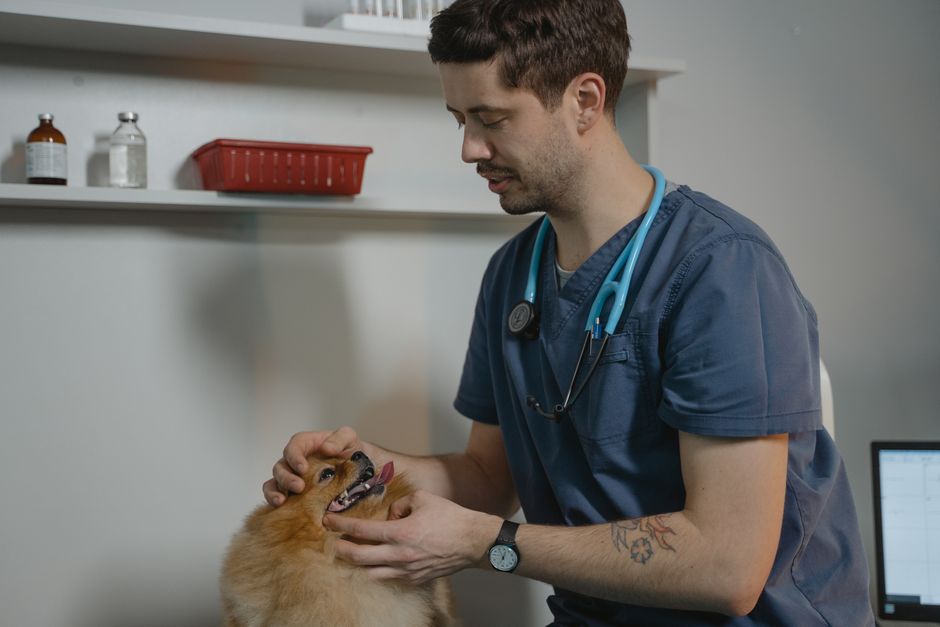
When your furry friend gets a small cut or scrape, knowing how to treat minor dog wounds at home can save you a trip to the vet and help your pup heal faster. Accidents happen during walks, playtime, or even around the house. While deep or bleeding wounds need professional care, many minor injuries can be handled safely with the right steps. This guide will walk you through each stage of at-home wound care, from assessment to healing, so you can act confidently and keep your dog comfortable.
Step 1: How to assess the wound before treatment?
Before you start treating, examine the wound carefully to decide if it's suitable for home care. Minor wounds include superficial cuts, scrapes, or small abrasions that are not deep, not heavily bleeding, and not located near the eyes, mouth, or joints. Check for signs of infection like swelling, redness, or discharge. If the wound is deeper than 1/4 inch, won't stop bleeding after 5 minutes of pressure, or is caused by a bite from another animal, consult your veterinarian immediately. Additionally, if your dog is limping or shows signs of pain, professional evaluation is recommended. For minor wounds, you can proceed with home treatment, but always prioritize safety.
Step 2: What supplies do you need for at-home wound care?
Having the right supplies ready makes the process smoother and reduces stress for both you and your dog. Gather these items before you start:
- Clean towels or gauze pads for cleaning and drying
- Antiseptic solution (e.g., chlorhexidine or dilute betadine) – never use hydrogen peroxide or alcohol as they can damage tissue
- Sterile saline solution (or make your own: 1 teaspoon salt in 2 cups boiled and cooled water)
- Antibiotic ointment (pet-safe, like Neosporin without pain relief ingredients)
- Non-stick gauze pads and medical tape or self-adhering bandage wrap
- Scissors for cutting bandages
- Treats to reward your dog during the process
Ensure all supplies are clean and within reach. If your dog is anxious, have a helper to hold and calm them. Preparation is key to treating minor dog wounds at home effectively.
Step 3: How to clean the wound properly?
Cleaning is the most critical step to prevent infection. Start by gently removing any visible debris, such as dirt or grass, with tweezers cleaned with alcohol. Then, flush the wound with sterile saline or clean water to wash away bacteria. Use a syringe or a spray bottle for gentle pressure. Pat the area dry with a clean gauze pad – do not rub. Next, apply a small amount of antiseptic solution to a gauze pad and gently dab around the wound, not inside the open cut. Avoid alcohol or hydrogen peroxide as they can irritate tissues and slow healing. Clean the wound twice daily until it begins to heal. If your dog licks excessively, use an Elizabethan collar to prevent contamination.
Step 4: How to apply antiseptic and bandage?
After cleaning, apply a thin layer of pet-safe antibiotic ointment to keep the wound moist and protected. This helps reduce the risk of infection. For wounds on areas that may get dirty, like paws, a bandage is advisable. Start by placing a non-stick gauze pad directly over the wound. Wrap medical tape or a self-adhering bandage snugly but not too tight – you should be able to slide two fingers under it. Change the bandage once or twice daily and check for signs of irritation or swelling. For wounds that are in clean, covered areas, you may skip the bandage and let it air-dry if your dog leaves it alone. Always monitor the wound's progress. Proper bandaging is a key part of how to treat minor dog wounds at home.
Step 5: What should you monitor during healing?
Over the next few days, watch your dog for signs of normal healing or potential complications. A healthy wound will show slight redness, mild swelling, and scab formation. It should become less painful and smaller each day. However, look out for these warning signs that indicate infection or poor healing:
- Increased redness, swelling, or heat around the wound
- Pus or foul-smelling discharge
- Lethargy, fever, or loss of appetite
- Your dog licking or chewing at the wound excessively
- Wound not improving within 48 hours
If any of these occur, contact your vet promptly. Additionally, ensure your dog's vaccinations are up to date, especially tetanus, though it's rare in dogs. Monitoring is an ongoing responsibility when you treat minor dog wounds at home.
Step 6: When should you consult a veterinarian?
While many minor wounds heal well at home, certain situations require professional help. Seek veterinary care if the wound is deep, large, or located on the face, paws, or joints. Also consult if bleeding doesn't stop after 10 minutes of pressure, if the wound is from a bite (risk of infection), or if you see signs of infection as listed above. Additionally, if your dog has underlying health conditions like diabetes or is on steroids, home treatment may not be appropriate. Finally, always trust your instinct – if you're unsure, it's better to have a vet check. Combining home care with timely vet visits ensures the best outcome for your dog.
Conclusion
Learning how to treat minor dog wounds at home empowers you to manage small injuries with confidence. By following these steps – assessment, cleaning, bandaging, and monitoring – you can help your dog heal quickly and comfortably. Always keep a well-stocked pet first aid kit handy and remember that some wounds need professional attention. Your vigilance and care make all the difference in your dog's health and well-being.