

Dog Health

How to Recognize Signs of Pain in Dogs Early

How to Recognize Signs of Pain in Dogs Early

1. Why is early recognition of signs of pain in dogs important?

1. Why is early recognition of signs of pain in dogs important?

As a devoted pet parent, you want your dog to live a happy, pain-free life. However, dogs are masters at hiding discomfort, a survival instinct inherited from their wild ancestors. That's why learning to identify signs of pain in dogs early is crucial for preventing chronic suffering and catching underlying health issues before they escalate. Early detection not only improves your dog's quality of life but can also reduce veterinary costs and treatment complexity. By recognizing subtle cues like changes in behavior, posture, or appetite, you can take swift action to relieve your pet's pain. This step-by-step guide will walk you through the key indicators every owner should know.
2. What are the most common behavioral signs of pain in dogs?

2. What are the most common behavioral signs of pain in dogs?

Behavioral changes are often the first clue that something is wrong. When a dog is in pain, it may become more withdrawn, aggressive, or clingy. Watch for these common signs:

  • Increased irritability or snapping when touched
  • Restlessness or difficulty settling down
  • Excessive licking or chewing at a specific area
  • Changes in sleeping patterns, such as sleeping more or being unable to get comfortable
  • Reluctance to play, jump, or climb stairs

Additionally, a normally affectionate dog might avoid being petted, especially in certain spots. Conversely, some dogs seek extra attention and comfort when they feel unwell. It's important to note any deviation from your dog's typical personality. For example, a previously friendly dog showing sudden aggression could be reacting to pain. Keep a diary of unusual behaviors and their frequency to share with your vet.

3. How can you detect changes in posture and gait as signs of pain?

Physical movement and body positions often reveal hidden pain. Observe your dog's posture while standing, sitting, and lying down. A dog in pain may hold its head lower than normal, arch its back, or tuck its tail between its legs. When sitting, they might shift weight to one side or sit unevenly. Lameness or limping, even if subtle, is a clear indicator of joint or limb pain. Watch for a reduced stride length, favoring one leg, or a stiffer gait when walking.

Furthermore, pay attention to how your dog gets up from a lying position. A slow, stiff rise, especially after rest, can signal arthritis or muscle pain. Similarly, difficulty lying down or circling excessively before settling may indicate discomfort. Changes in posture during sleep—such as sleeping in a curled-up "fetal" position instead of sprawled out—can also be telling. For added accuracy, record videos of your dog's movement over a few days to show your veterinarian.

4. What vocalizations and facial expressions indicate pain in dogs?

Dogs communicate pain through sounds and facial cues. Vocalizations like whimpering, whining, growling, or even howling can be pain-related, especially when combined with other signs. Some dogs become unusually quiet, while others may yelp when a painful area is touched. However, not all vocalizations are obvious; gentle moaning or heavy panting (without exertion or heat) can also indicate discomfort.

Facial expressions are equally telling. A painful dog may have dilated pupils, flattened ears, or a tense brow. Look for the "pain face"—a grimace characterized by narrowed eyes, tension around the muzzle, and a wrinkled nose. According to studies, the canine grimace scale is a reliable tool for assessing pain, especially in acute cases. Additionally, excessive yawning, lip licking, or drooling (outside of mealtime or heat) can be stress responses linked to pain. Combine these observations with behavioral changes for a fuller picture.

5. How do appetite and activity changes signal pain?

Appetite loss is a common but non-specific sign of pain in dogs. A dog that suddenly refuses food or shows less interest in treats may be experiencing oral pain, nausea, or general discomfort. Conversely, some dogs may eat normally but drink more water if the pain is due to certain metabolic conditions. Watch for changes in chewing behavior, such as dropping food from the mouth or favoring one side while eating, which can indicate dental pain.

Activity levels also shift. A normally energetic dog may sleep more, avoid walks, or stop engaging in favorite activities like fetching or digging. Conversely, restlessness—pacing or inability to relax—can indicate pain, especially if it's severe. For instance, a dog with abdominal pain might assume a "praying" position (front legs down, rear up) to relieve pressure. Tracking daily activity with a simple journal can help you notice trends. If these changes persist for more than 24 hours, it's time to consult your vet.

6. When should you consult a veterinarian about potential pain signs?

If you observe any of the above signs of pain in dogs, especially if they are persistent or worsening, it's wise to seek professional advice. Immediate veterinary attention is needed if your dog shows: sudden limping, inability to bear weight, vomiting or diarrhea, difficulty breathing, seizures, or signs of extreme distress (e.g., nonstop crying). For less urgent but ongoing issues—like mild lameness, decreased appetite, or subtle behavior changes—schedule an appointment within a few days. Early intervention can prevent minor problems from escalating.

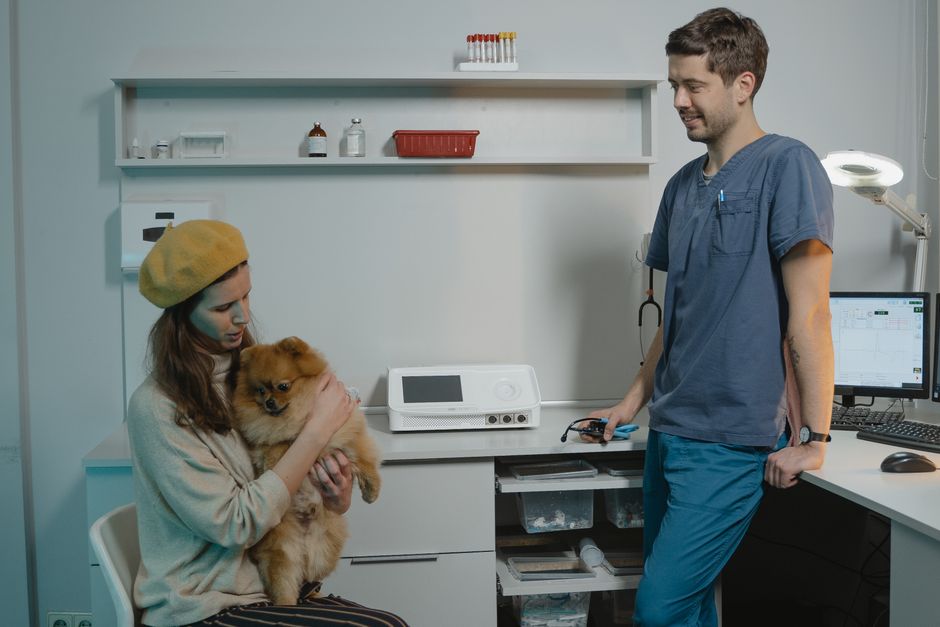
During the visit, provide your vet with a detailed history, including when symptoms started, their frequency, and any triggers. Bring photo or video evidence of abnormal behaviors or postures. Your vet may recommend pain relief medications, diagnostic imaging, or blood work to identify the underlying cause. Remember, never give your dog human painkillers, as many are toxic. With prompt action, you can restore your furry friend's comfort and well-being.

Conclusion

Recognizing signs of pain in dogs early requires keen observation and a willingness to act. By monitoring changes in behavior, posture, vocalizations, and daily routines, you can spot trouble before it worsens. Trust your instincts—if something feels off, consult your veterinarian. Your proactive approach ensures a happier, healthier life for your loyal companion.

Share: Facebook Twitter Pinterest

SWT Pal Pet

Pet Care Expert

Expert in pet care with years of experience helping pet owners make informed decisions about their furry friends.

← Previous How to Treat Minor Dog Wounds and Cuts at Home Next → How to Care for a Dog After Spay or Neuter Surgery
We use cookie to improve your online experience. By continuing to browse this website, you agree to our use of cookie.

Cookies

Please read our Terms and Conditions and this Policy before accessing or using our Services. If you cannot agree with this Policy or the Terms and Conditions, please do not access or use our Services. If you are located in a jurisdiction outside the European Economic Area, by using our Services, you accept the Terms and Conditions and accept our privacy practices described in this Policy.
We may modify this Policy at any time, without prior notice, and changes may apply to any Personal Information we already hold about you, as well as any new Personal Information collected after the Policy is modified. If we make changes, we will notify you by revising the date at the top of this Policy. We will provide you with advanced notice if we make any material changes to how we collect, use or disclose your Personal Information that impact your rights under this Policy. If you are located in a jurisdiction other than the European Economic Area, the United Kingdom or Switzerland (collectively “European Countries”), your continued access or use of our Services after receiving the notice of changes, constitutes your acknowledgement that you accept the updated Policy. In addition, we may provide you with real time disclosures or additional information about the Personal Information handling practices of specific parts of our Services. Such notices may supplement this Policy or provide you with additional choices about how we process your Personal Information.


Cookies

Cookies are small text files stored on your device when you access most Websites on the internet or open certain emails. Among other things, Cookies allow a Website to recognize your device and remember if you've been to the Website before. Examples of information collected by Cookies include your browser type and the address of the Website from which you arrived at our Website as well as IP address and clickstream behavior (that is the pages you view and the links you click).We use the term cookie to refer to Cookies and technologies that perform a similar function to Cookies (e.g., tags, pixels, web beacons, etc.). Cookies can be read by the originating Website on each subsequent visit and by any other Website that recognizes the cookie. The Website uses Cookies in order to make the Website easier to use, to support a better user experience, including the provision of information and functionality to you, as well as to provide us with information about how the Website is used so that we can make sure it is as up to date, relevant, and error free as we can. Cookies on the Website We use Cookies to personalize your experience when you visit the Site, uniquely identify your computer for security purposes, and enable us and our third-party service providers to serve ads on our behalf across the internet.

We classify Cookies in the following categories:
 ●  Strictly Necessary Cookies
 ●  Performance Cookies
 ●  Functional Cookies
 ●  Targeting Cookies


Cookie List
A cookie is a small piece of data (text file) that a website – when visited by a user – asks your browser to store on your device in order to remember information about you, such as your language preference or login information. Those cookies are set by us and called first-party cookies. We also use third-party cookies – which are cookies from a domain different than the domain of the website you are visiting – for our advertising and marketing efforts. More specifically, we use cookies and other tracking technologies for the following purposes:

Strictly Necessary Cookies
These cookies are necessary for the website to function and cannot be switched off in our systems. They are usually only set in response to actions made by you which amount to a request for services, such as setting your privacy preferences, logging in or filling in forms. You can set your browser to block or alert you about these cookies, but some parts of the site will not then work. These cookies do not store any personally identifiable information.

Functional Cookies
These cookies enable the website to provide enhanced functionality and personalisation. They may be set by us or by third party providers whose services we have added to our pages. If you do not allow these cookies then some or all of these services may not function properly.

Performance Cookies
These cookies allow us to count visits and traffic sources so we can measure and improve the performance of our site. They help us to know which pages are the most and least popular and see how visitors move around the site. All information these cookies collect is aggregated and therefore anonymous. If you do not allow these cookies we will not know when you have visited our site, and will not be able to monitor its performance.

Targeting Cookies
These cookies may be set through our site by our advertising partners. They may be used by those companies to build a profile of your interests and show you relevant adverts on other sites. They do not store directly personal information, but are based on uniquely identifying your browser and internet device. If you do not allow these cookies, you will experience less targeted advertising.

How To Turn Off Cookies
You can choose to restrict or block Cookies through your browser settings at any time. Please note that certain Cookies may be set as soon as you visit the Website, but you can remove them using your browser settings. However, please be aware that restricting or blocking Cookies set on the Website may impact the functionality or performance of the Website or prevent you from using certain services provided through the Website. It will also affect our ability to update the Website to cater for user preferences and improve performance. Cookies within Mobile Applications

We only use Strictly Necessary Cookies on our mobile applications. These Cookies are critical to the functionality of our applications, so if you block or delete these Cookies you may not be able to use the application. These Cookies are not shared with any other application on your mobile device. We never use the Cookies from the mobile application to store personal information about you.

If you have questions or concerns regarding any information in this Privacy Policy, please contact us by email at . You can also contact us via our customer service at our Site.