
1. How to Prepare for Your Dog After Spay or Neuter Surgery?
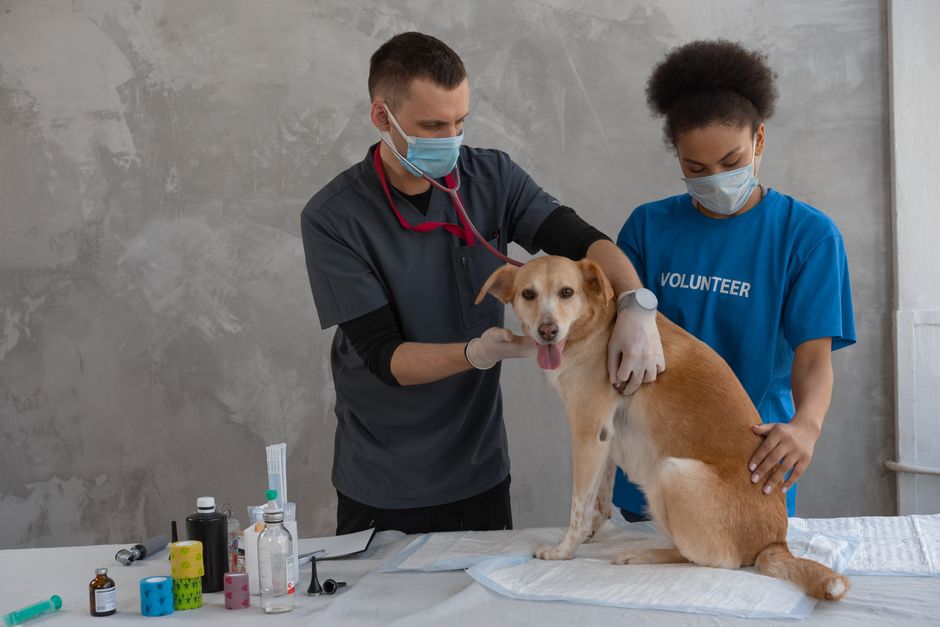
Preparing for your dog after spay or neuter surgery is crucial for a smooth recovery. Before the procedure, ensure you have all necessary supplies on hand, such as a comfortable recovery space, an Elizabethan collar or recovery suit, and prescribed medications. Discuss with your veterinarian any pre-surgery instructions, such as fasting requirements or withholding water. Additionally, clear your schedule for at least the first 48 hours post-op to provide constant supervision. Having a calm environment reduces stress and promotes healing.
Furthermore, consider setting up a designated recovery area away from stairs or high-traffic zones. Use soft bedding that is easy to clean, as your dog may have some bleeding or discharge. Stock up on puppy pads or towels to manage any accidents. By planning ahead, you can minimize surprises and ensure your dog feels safe and comfortable during recovery.
2. What Is the Best Recovery Space for a Dog After Spay or Neuter Surgery?
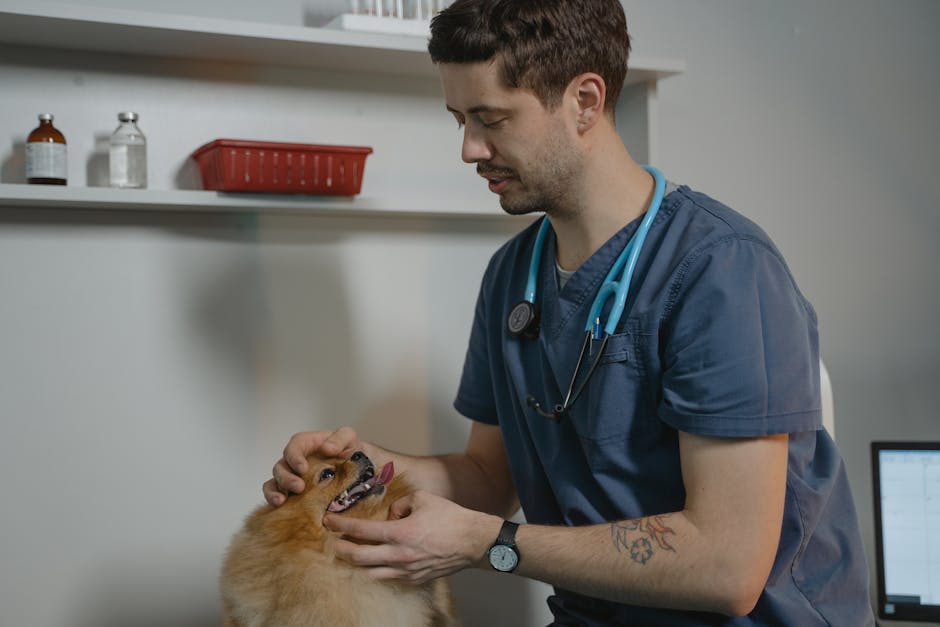
Creating a proper recovery space for your dog after spay or neuter surgery is essential. Choose a quiet, confined area such as a spare room or a large crate with a comfortable bed. The space should be warm, draft-free, and easy to clean. Avoid elevated surfaces that your dog might jump off, as jumping can disrupt stitches. Use non-slip rugs or mats to prevent falls.
Additionally, place water and food bowls nearby but within reach—elevated bowls can reduce strain on the incision area. Include soft toys or a puzzle feeder to keep your dog entertained without vigorous activity. Ensure the area is free of hazards like small objects or cords. A calm recovery space helps reduce anxiety and speeds healing.
3. How to Manage Pain and Medication for a Dog After Spay or Neuter Surgery?
Pain management is a top priority for your dog after spay or neuter surgery. Your veterinarian will likely prescribe pain relievers or anti-inflammatory drugs. Administer these exactly as directed—do not skip doses or give human medications, as they can be toxic. Typically, meds are given with food to prevent stomach upset. Monitor your dog for signs of discomfort, such as whining, restlessness, or reluctance to move.
If your dog seems overly sedated or shows adverse reactions like vomiting or diarrhea, contact your vet immediately. Furthermore, some dogs may require additional pain relief in the first 24 hours. Use cold compresses (wrapped in a towel) near the incision for 10–15 minutes to reduce swelling, but never apply ice directly. Transition words like 'however' are useful: however, if your dog is in severe pain, call your vet.
Below is a medication checklist for reference:
- Prescribed pain meds (administer with food)
- Antibiotics if prescribed (complete full course)
- Stool softeners if needed (constipation is common)
- Schedule for next dose (set reminders)
4. How to Prevent Licking and Infection After Spay or Neuter Surgery?
Preventing licking is one of the biggest challenges for your dog after spay or neuter surgery. Licking can cause infection, open stitches, or delay healing. Use an Elizabethan collar (cone) or a recovery suit to block access to the incision. Cones should fit snugly but not tightly—your dog should be able to eat and drink with it on. Recovery suits are a comfortable alternative, especially for dogs who dislike cones.
Additionally, keep the incision area clean and dry. Check twice daily for signs of infection: redness, swelling, discharge, or a foul odor. Do not bathe your dog until the stitches are removed or your vet gives the go-ahead. Use a damp cloth to clean around the area if needed. If you notice your dog persistently licking despite the cone, consider adding a bitter-tasting spray (vet-approved) on the bandage. Also, distract your dog with gentle activities like short leash walks or puzzle toys.
5. What Should I Feed My Dog After Spay or Neuter Surgery?
Feeding your dog after spay or neuter surgery requires caution. Anesthesia and pain meds can cause nausea or appetite loss. Offer small, bland meals like boiled chicken and rice for the first 24 hours. Gradually reintroduce regular food over 2–3 days. Your dog may have a reduced appetite; if they refuse food for more than 24 hours, consult your vet.
However, do not overfeed, as activity restrictions can lead to weight gain. Use a measured portion of their normal diet once regular eating resumes. Ensure fresh water is always available, but avoid large amounts at once to prevent vomiting. Some vets recommend adding a probiotic to aid digestion. Additionally, consider a low-calorie diet if your dog tends to gain weight easily—ask your vet for specific recommendations. Avoid giving treats high in fat or salt, as they can cause gastrointestinal upset.
6. How to Manage Activity Restrictions for a Dog After Spay or Neuter Surgery?
Activity restrictions are critical for your dog after spay or neuter surgery. Jumping, running, or rough play can strain the incision and cause internal bleeding. For the first 10–14 days, limit your dog to short leash walks for bathroom breaks only. Use a harness instead of a collar to avoid pulling on the neck. Keep walks calm and slow—no fetching or tug-of-war.
Additionally, crate rest or confinement to a small room is recommended when you cannot supervise. Provide mental stimulation through chew toys, snuffle mats, or nose work games that don't require movement. Gradually increase activity after your vet clears your dog, usually after a follow-up check. Some dogs may need longer restrictions (e.g., 3 weeks for larger breeds). Common signs to watch for include panting, restlessness, or whimpering—these may indicate your dog is too active.
7. How to Monitor for Complications After Spay or Neuter Surgery?
Monitoring your dog after spay or neuter surgery is vital for early detection of complications. Check the incision site twice daily for any changes. Normal healing includes slight swelling and redness, but watch for pus, bleeding, or opening of the wound. Take your dog's temperature if they seem lethargic—a fever over 103°F warrants a vet call. Other red flags include vomiting, diarrhea, lack of urination, or severe pain.
Furthermore, female dogs may have vaginal discharge; a small amount is normal, but heavy bleeding or foul odor suggests infection. For neutered males, scrotal swelling can occur but should subside in a few days. If you notice any lumps or asymmetry, contact your vet. Keep a log of symptoms to share during the follow-up appointment. Most dogs recover uneventfully, but vigilance ensures you catch issues early.
Conclusion
Caring for your dog after spay or neuter surgery requires patience and attention to detail. By following these step-by-step guidelines—preparing a safe recovery space, managing pain, preventing licking, adjusting diet, enforcing activity limits, and monitoring for complications—you can ensure a comfortable and speedy recovery. Always consult your veterinarian with any concerns. With proper care, your dog will be back to their happy, healthy self in no time.