
Is the Siberian Husky Right for You?
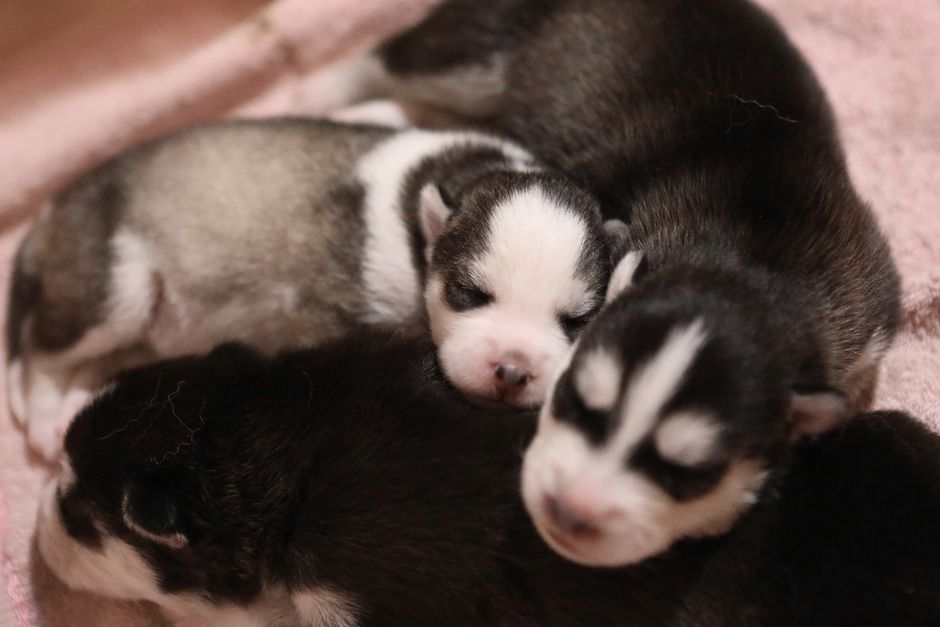
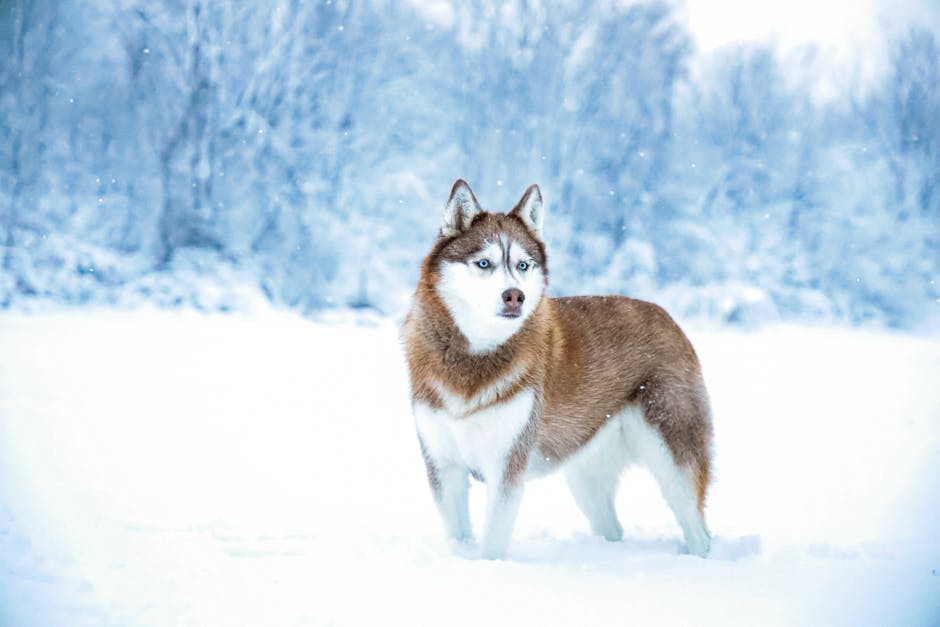
The Siberian Husky is a stunning, intelligent, and high-energy breed that captures hearts with its wolf-like appearance and friendly demeanor. If you’re considering bringing a Siberian Husky into your home for the first time, you need to understand their unique needs. However, this breed is not for everyone. While they are affectionate and loyal, huskies require consistent exercise, firm training, and a dedicated owner. This complete guide covers everything from temperament and health to grooming and training, ensuring you make an informed decision. Let’s dive in.
What Are the Key Temperament Traits of a Siberian Husky?
The Siberian Husky is known for being gentle, playful, and outgoing. They are pack animals that thrive on companionship and can be incredibly loving with family members. However, they also have a strong independent streak, stemming from their sled-pulling heritage. This independence can make them stubborn during training. Additionally, huskies are generally friendly towards strangers and other dogs, but they have a high prey drive toward small animals like cats or rodents. Understanding these traits is essential for a harmonious household.
Are Huskies Good with Children and Other Pets?
Yes, Siberian Huskies are typically great with children, especially when raised together. Their playful nature and patience make them excellent family dogs. However, due to their energy and size, supervision with very young children is recommended to prevent accidental knocks. Regarding other pets, huskies may chase smaller animals due to their instinct, but early socialization can help them coexist peacefully with other dogs. Introducing them slowly and positively is key.
What Are the Exercise Requirements for a Siberian Husky?
Exercise is non-negotiable for a Siberian Husky. Bred for endurance, these dogs need at least 1–2 hours of vigorous activity daily. Without sufficient exercise, they can become destructive and develop behavioral issues. Furthermore, they excel in activities like running, hiking, and pulling. A fenced yard is ideal, but remember that huskies are escape artists – they can dig under fences or jump over them. Below is a list of recommended exercises:
- Daily brisk walks or jogs (minimum 45 minutes)
- Off-leash adventures in secure areas (e.g., dog parks)
- Interactive games like fetch or tug-of-war
- Canicross (running with your dog) or skijoring in winter
Consistency is key. A tired husky is a happy husky.
What Should You Feed a Siberian Husky?
Nutrition should be tailored to your husky’s age, size, and activity level. Generally, a high-quality dry kibble with protein as the first ingredient is recommended. Huskies have a sensitive stomach compared to some breeds, so avoid sudden dietary changes. Additionally, they are prone to weight gain if overfed, so measure portions and avoid free-feeding. For puppies, feed three to four times daily; adults twice daily. Always provide fresh water. Some owners opt for raw or home-cooked diets, but consult a vet to ensure balanced nutrition.
How to Train a Siberian Husky Effectively?
Training a Siberian Husky requires patience, consistency, and positive reinforcement. Their intelligence means they learn quickly, but their stubbornness can lead to selective hearing. Start training the day you bring your puppy home. Focus on basic commands like sit, stay, and recall. Use treats and praise. However, punishment or harsh methods will backfire; huskies respond best to reward-based training. Moreover, housebreaking can be challenging – crate training is highly recommended. Here are key training tips:
- Keep sessions short (10–15 minutes) to maintain focus.
- Use high-value treats like cheese or chicken.
- Socialize early with different people, dogs, and environments.
- Enroll in obedience classes for structured guidance.
- Be prepared for stubborn phases – never give up.
What Are Common Health Issues in Siberian Huskies?
Siberian Huskies are generally healthy, but they are predisposed to certain conditions. Responsible breeding reduces risks. Common issues include hip dysplasia, eye conditions (cataracts, progressive retinal atrophy), and hypothyroidism. Additionally, huskies can suffer from zinc deficiency, leading to skin problems. Annual vet check-ups, a balanced diet, and regular exercise help maintain health. Despite their thick coat, they are not immune to parasites; use preventive medications for fleas, ticks, and heartworm.
How to Groom a Siberian Husky Properly?
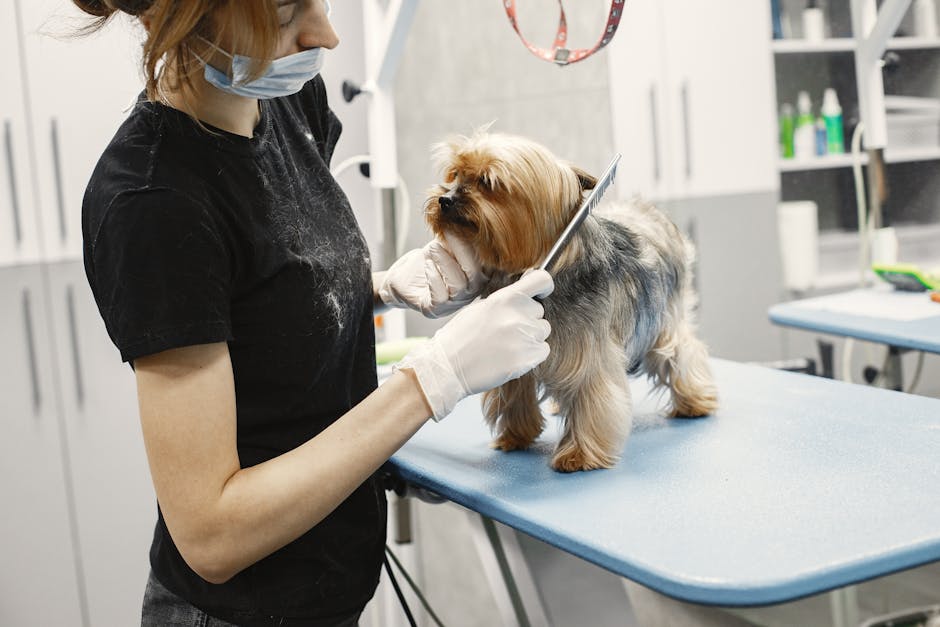
Grooming a Siberian Husky is manageable but requires dedication. Their double coat sheds heavily twice a year (blowing coat), and they need weekly brushing otherwise. During shedding season, daily brushing with an undercoat rake is essential. Bathe only as needed – over-bathing strips natural oils. Furthermore, trim nails monthly, clean ears weekly, and brush teeth regularly. A good grooming routine not only keeps your husky looking great but also helps detect skin issues early.
What Is the Best Environment for a Siberian Husky?
Huskies adapt well to various climates, but they thrive in cooler environments due to their thick coat. They are not ideal for apartment living unless you can provide extensive exercise. A home with a secure, tall fence and space to run is preferable. Additionally, huskies are social and should not be left alone for long hours – they can suffer from separation anxiety. If you work long hours, consider a dog walker or daycare. They are escape artists, so check fencing regularly.
How to Find a Responsible Siberian Husky Breeder?
Finding a reputable breeder is crucial to ensure a healthy, well-tempered puppy. Avoid pet stores or online ads that sell puppies without health clearances. A good breeder will provide health certificates for hip and eye exams, allow you to visit the facility, and ask about your lifestyle. They should also take back the dog if you cannot keep it. Alternatively, consider adoption – many huskies end up in rescues. Always prioritize ethical practices.
Conclusion
The Siberian Husky is a magnificent breed that brings joy, energy, and loyalty to the right owner. However, they require commitment in exercise, training, and care. By understanding their needs and preparing your home, you can enjoy a rewarding relationship with your husky. If you’re ready for an active, adventurous companion, this breed is a fantastic choice. Start your journey with thorough research and a responsible approach, and your first-time owner experience will be unforgettable.