


Dog Breeds

Poodle Breed Guide Standard Miniature and Toy Varieties

Poodle Breed Guide Standard Miniature and Toy Varieties

What Makes the Poodle Breed So Special?

What Makes the Poodle Breed So Special?

The Poodle is one of the most intelligent and versatile dog breeds, known for its elegant appearance and hypoallergenic coat. Whether you're considering a Standard, Miniature, or Toy Poodle, each variety brings unique traits to the table. In this comprehensive guide, we'll explore everything you need to know about the Poodle breed guide standard miniature and toy varieties, from history to training, health, grooming, and more. Let's dive in!
What Are the Key Differences Between Standard, Miniature, and Toy Poodles?

What Are the Key Differences Between Standard, Miniature, and Toy Poodles?

While all three varieties share the same breed standard in terms of temperament and conformation, they differ significantly in size. The Standard Poodle stands over 15 inches at the shoulder, typically weighing 45–70 pounds. Miniature Poodles are 10–15 inches tall and weigh 15–17 pounds. Toy Poodles are the smallest, under 10 inches and around 5–9 pounds.

Furthermore, their exercise needs vary: Standards require at least an hour of daily activity, while Toys are content with shorter walks and indoor play. Miniatures fall somewhere in between. Additionally, lifespan tends to increase as size decreases—Toys can live up to 18 years, Standards around 12–15 years.

Which Size Is Right for Your Lifestyle?

Choosing the right Poodle variety depends on your living space, activity level, and family dynamics. Here’s a quick comparison:

  • Standard Poodle: Best for active families with yards, great for dog sports, requires ample space.
  • Miniature Poodle: Ideal for apartments or homes with moderate space, adaptable to various activity levels.
  • Toy Poodle: Perfect for small apartments, seniors, or those seeking a lap dog; lower exercise needs.

How Did the Poodle Evolve Into Three Sizes?

The Poodle originated in Germany as a water retriever, and its name comes from the German word “pudel” meaning to splash. The breed was refined in France, where it became a circus performer and companion. Over time, breeders selected for smaller sizes to suit different roles—Standards remained working dogs, Miniatures became truffle hunters, and Toys were bred purely as companions. However, all three varieties share the same breed standard for structure and temperament, making them truly one breed in three sizes.

What Should You Know About Poodle Temperament and Intelligence?

Poodles are renowned for their high intelligence, often ranking second only to the Border Collie. They are eager to please, quick to learn, and excel in obedience, agility, and therapy work. However, their smarts can lead to mischief if not mentally stimulated. Bored Poodles may develop destructive behaviors like chewing or excessive barking.

Additionally, Poodles are generally friendly with people and other pets, but early socialization is crucial to prevent shyness or guarding tendencies. Toy Poodles can be more prone to “small dog syndrome” if spoiled, so consistent training is key.

Tips for Training Your Poodle

  1. Use positive reinforcement: treats, praise, and play motivate them best.
  2. Keep sessions short (5–10 minutes) but frequent—they learn quickly but can get bored.
  3. Incorporate puzzle toys and advanced commands to challenge their intellect.
  4. Start obedience training as early as 8 weeks old.

How to Groom a Poodle Properly?

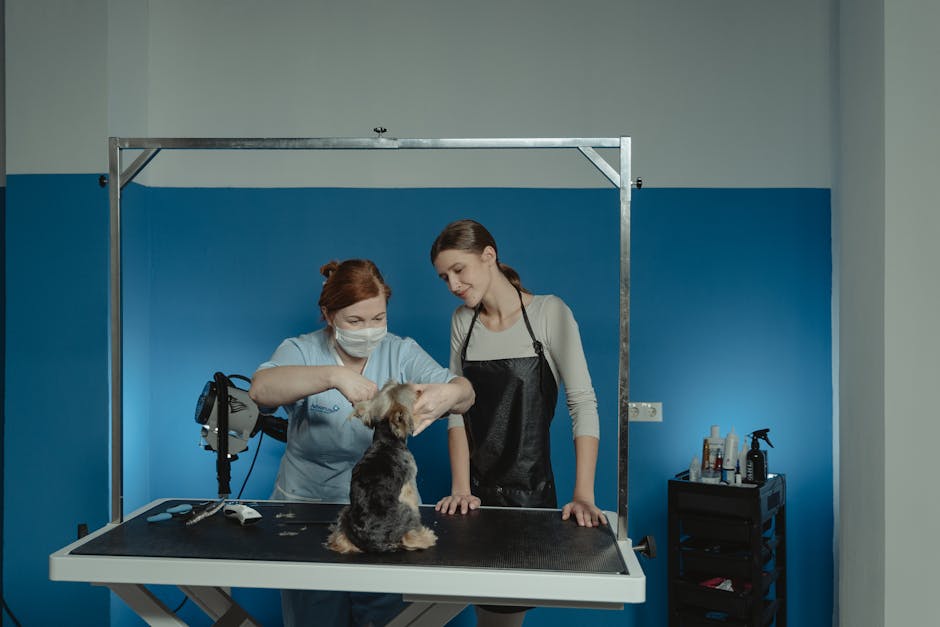
The Poodle’s curly, single-layer coat is low‑shedding but requires regular maintenance to prevent matting. Brushing should be done at least 3–4 times per week, ideally daily. Professional grooming every 4–6 weeks is recommended to keep the coat healthy and styled. Common cuts include the “puppy clip,” “continental clip,” and “sporting clip.” Bathing should be every 3–4 weeks using a gentle dog shampoo.

Furthermore, pay attention to ear care—Poodles are prone to ear infections due to their floppy ears. Clean ears weekly with a vet‑approved solution. Nail trimming and dental care are equally important.

What Are Common Health Issues in Poodles?

Poodles are generally healthy but predisposed to certain conditions. Hip dysplasia, progressive retinal atrophy (PRA), epilepsy, and skin allergies are seen across all sizes. Toy and Miniature Poodles may also face patellar luxation and Legg‑Calvé‑Perthes disease. Routine vet checkups, a balanced diet, and maintaining a healthy weight can mitigate many risks.

Additionally, it’s wise to choose a reputable breeder who screens for genetic issues. Pet insurance can be a valuable investment for covering unexpected treatments.

How to Choose the Best Diet for Your Poodle?

High-quality commercial dog food—either kibble, wet, or raw—should meet AAFCO standards and be appropriate for your Poodle’s size, age, and activity level. Standard Poodles need a diet higher in protein and fat for energy, while Toy Poodles require smaller kibble and controlled portions to avoid weight gain. Avoid overfeeding; Poodles love food and can become obese easily. Consult your vet for specific feeding guidelines.

Recommended Nutrition by Size

VarietyDaily CaloriesProtein %Fat %
Standard1,200–1,60025–30%15–20%
Miniature700–90022–28%12–18%
Toy400–50020–25%10–15%

Are Poodles Hypoallergenic Dogs?

Yes, the Poodle is often described as hypoallergenic because its coat produces less dander and sheds minimally. However, no dog is 100% hypoallergenic. People with allergies should spend time with a Poodle before committing. Regular grooming and HEPA filters can further reduce allergens in the home.

Where Can You Find a Poodle Puppy?

You can adopt from rescues or purchase from a responsible breeder. The Poodle Club of America (PCA) provides breeder referrals. Avoid puppy mills; always ask for health clearances and visit the facility. Adoption is a wonderful option—many Poodles of all sizes end up in shelters. Check local rescues like Poodle Rescue Network.

Conclusion: Which Poodle Variety Is Perfect for You?

In summary, the Poodle breed (Standard, Miniature, and Toy) offers a remarkable companion suited to many lifestyles. Whether you choose a majestic Standard, an adaptable Miniature, or a cuddly Toy, you’ll gain a loyal, intelligent, and loving family member. Remember to provide proper training, socialization, grooming, and healthcare. With the right care, your Poodle will thrive for years to come. Ready to welcome a Poodle into your home? Start your journey today!

Share: Facebook Twitter Pinterest

SWT Pal Pet

Pet Care Expert

Expert in pet care with years of experience helping pet owners make informed decisions about their furry friends.

← Previous Beagle Breed Profile Personality Exercise and Feeding Needs
We use cookie to improve your online experience. By continuing to browse this website, you agree to our use of cookie.

Cookies

Please read our Terms and Conditions and this Policy before accessing or using our Services. If you cannot agree with this Policy or the Terms and Conditions, please do not access or use our Services. If you are located in a jurisdiction outside the European Economic Area, by using our Services, you accept the Terms and Conditions and accept our privacy practices described in this Policy.
We may modify this Policy at any time, without prior notice, and changes may apply to any Personal Information we already hold about you, as well as any new Personal Information collected after the Policy is modified. If we make changes, we will notify you by revising the date at the top of this Policy. We will provide you with advanced notice if we make any material changes to how we collect, use or disclose your Personal Information that impact your rights under this Policy. If you are located in a jurisdiction other than the European Economic Area, the United Kingdom or Switzerland (collectively “European Countries”), your continued access or use of our Services after receiving the notice of changes, constitutes your acknowledgement that you accept the updated Policy. In addition, we may provide you with real time disclosures or additional information about the Personal Information handling practices of specific parts of our Services. Such notices may supplement this Policy or provide you with additional choices about how we process your Personal Information.


Cookies

Cookies are small text files stored on your device when you access most Websites on the internet or open certain emails. Among other things, Cookies allow a Website to recognize your device and remember if you've been to the Website before. Examples of information collected by Cookies include your browser type and the address of the Website from which you arrived at our Website as well as IP address and clickstream behavior (that is the pages you view and the links you click).We use the term cookie to refer to Cookies and technologies that perform a similar function to Cookies (e.g., tags, pixels, web beacons, etc.). Cookies can be read by the originating Website on each subsequent visit and by any other Website that recognizes the cookie. The Website uses Cookies in order to make the Website easier to use, to support a better user experience, including the provision of information and functionality to you, as well as to provide us with information about how the Website is used so that we can make sure it is as up to date, relevant, and error free as we can. Cookies on the Website We use Cookies to personalize your experience when you visit the Site, uniquely identify your computer for security purposes, and enable us and our third-party service providers to serve ads on our behalf across the internet.

We classify Cookies in the following categories:
 â—  Strictly Necessary Cookies
 â—  Performance Cookies
 â—  Functional Cookies
 â—  Targeting Cookies


Cookie List
A cookie is a small piece of data (text file) that a website – when visited by a user – asks your browser to store on your device in order to remember information about you, such as your language preference or login information. Those cookies are set by us and called first-party cookies. We also use third-party cookies – which are cookies from a domain different than the domain of the website you are visiting – for our advertising and marketing efforts. More specifically, we use cookies and other tracking technologies for the following purposes:

Strictly Necessary Cookies
These cookies are necessary for the website to function and cannot be switched off in our systems. They are usually only set in response to actions made by you which amount to a request for services, such as setting your privacy preferences, logging in or filling in forms. You can set your browser to block or alert you about these cookies, but some parts of the site will not then work. These cookies do not store any personally identifiable information.

Functional Cookies
These cookies enable the website to provide enhanced functionality and personalisation. They may be set by us or by third party providers whose services we have added to our pages. If you do not allow these cookies then some or all of these services may not function properly.

Performance Cookies
These cookies allow us to count visits and traffic sources so we can measure and improve the performance of our site. They help us to know which pages are the most and least popular and see how visitors move around the site. All information these cookies collect is aggregated and therefore anonymous. If you do not allow these cookies we will not know when you have visited our site, and will not be able to monitor its performance.

Targeting Cookies
These cookies may be set through our site by our advertising partners. They may be used by those companies to build a profile of your interests and show you relevant adverts on other sites. They do not store directly personal information, but are based on uniquely identifying your browser and internet device. If you do not allow these cookies, you will experience less targeted advertising.

How To Turn Off Cookies
You can choose to restrict or block Cookies through your browser settings at any time. Please note that certain Cookies may be set as soon as you visit the Website, but you can remove them using your browser settings. However, please be aware that restricting or blocking Cookies set on the Website may impact the functionality or performance of the Website or prevent you from using certain services provided through the Website. It will also affect our ability to update the Website to cater for user preferences and improve performance. Cookies within Mobile Applications

We only use Strictly Necessary Cookies on our mobile applications. These Cookies are critical to the functionality of our applications, so if you block or delete these Cookies you may not be able to use the application. These Cookies are not shared with any other application on your mobile device. We never use the Cookies from the mobile application to store personal information about you.

If you have questions or concerns regarding any information in this Privacy Policy, please contact us by email at . You can also contact us via our customer service at our Site.