
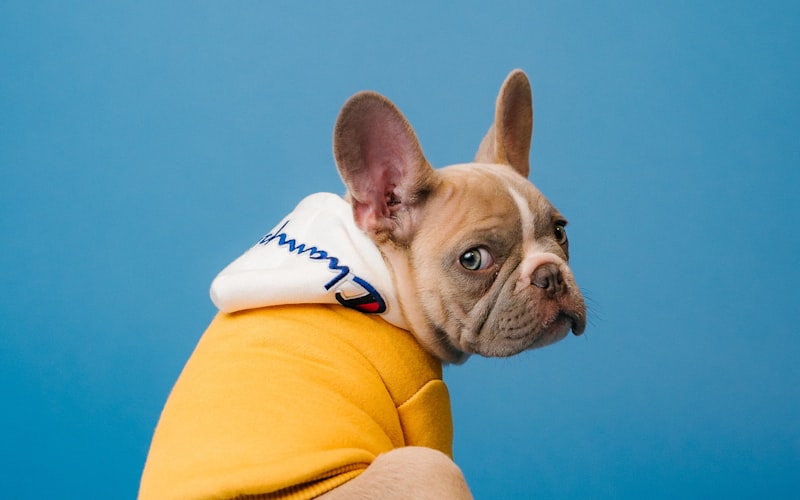
The Shih Tzu (pronounced "sheed-zoo" or "sheet-su," depending on whom you ask) has been doing one job for over a thousand years: being a companion. While other breeds hunted, herded, guarded, or retrieved, the Shih Tzu sat on imperial laps in Chinese palaces and was adored. This laser focus on companionship has produced a dog almost supernaturally adapted to the role — calm, affectionate, adaptable, and remarkably content to simply be near you.
- History: The Lion Dog of China
- Temperament: Born to Be a Companion
- Grooming: The Non-Negotiable
- Full Coat
- Puppy Cut (Recommended for Pets)
- Eye Care
- Health
- Brachycephalic Concerns
- Key Health Issues
- Exercise & Training
- Frequently Asked Questions
- Are Shih Tzus hypoallergenic?
- Are they good for seniors?
- Why does my Shih Tzu eat its own feces?
History: The Lion Dog of China
The Shih Tzu's name translates to "lion dog," referencing the breed's resemblance to the traditional Chinese guardian lions. The breed was developed in the Chinese imperial court, likely from crosses between Tibetan dogs (Lhasa Apso or Tibetan Terrier ancestors) and Chinese breeds (Pekingese). For centuries, Shih Tzus were the exclusive companions of Chinese emperors and were never sold — they were given as gifts of extraordinary honor.
The breed nearly perished during the Chinese Communist Revolution. Virtually every Shih Tzu alive today descends from just 14 dogs — 7 males and 7 females — that were exported to England and Europe before the breed's near-extinction in China. This genetic bottleneck affects the breed's health profile to this day.
Temperament: Born to Be a Companion
- Affectionate without neediness: Shih Tzus love attention but don't demand it with the intensity of some breeds. They're happy on your lap, beside you on the couch, or playing nearby. They tolerate alone time better than most companion breeds.
- Adaptable: Apartments, houses, active families, retired couples — Shih Tzus adjust to virtually any living situation. Their exercise needs are moderate and flexible.
- Stubbornness: Shih Tzus have a proud, independent streak. They learn what you want; whether they comply depends on whether the Shih Tzu considers the request reasonable. This is not defiance — it is a thousand years of being treated like royalty.
- With everyone: Generally friendly with strangers, children, other dogs, and cats. They lack the suspicion of many small breeds and the prey drive of terriers.
- Quiet: Less barky than most small breeds. They alert occasionally but are not nuisance barkers.
Grooming: The Non-Negotiable
The Shih Tzu coat is beautiful, and it is a full-time commitment:
Full Coat
A show-length Shih Tzu coat reaches the floor and requires daily brushing, conditioning, and wrapping. This is impractical for 95% of pet owners.
Puppy Cut (Recommended for Pets)
- Trim coat to 1-2 inches all over
- Professional grooming every 4-6 weeks ($40-$70 per visit)
- Brushing 3-4 times weekly to prevent matting
- Facial cleaning daily — food, tears, and moisture collect in facial hair
Eye Care
Shih Tzus' large, prominent eyes and flat facial structure make them prone to eye irritation, ulcers, and tear staining. Daily eye wiping with a damp cloth and regular facial hair trimming around the eyes is essential. If hair touches the cornea, it causes chronic irritation and potential ulceration.
Health
Brachycephalic Concerns
Shih Tzus have a shortened muzzle that creates breathing challenges similar to — though generally less severe than — French Bulldogs. Snoring, reverse sneezing, and heat intolerance are common. Avoid exercise in heat and learn to recognize signs of respiratory distress.
Key Health Issues
- Eye problems: Proptosis (eye popping out of socket — a genuine emergency in brachycephalic breeds), corneal ulcers, dry eye (KCS), cataracts, progressive retinal atrophy
- Dental disease: Small, crowded mouths predispose to severe dental disease. Daily brushing and annual professional cleanings are strongly recommended.
- Ear infections: Heavy, hairy ears trap moisture. Weekly cleaning required.
- Luxating patella: Kneecap dislocation common in small breeds.
- Intervertebral disc disease: The long-backed body shape creates some IVDD risk.
- Kidney disease: Renal dysplasia (juvenile kidney disease) occurs in the breed. Ask breeders about kidney health history.
- Lifespan: 10-16 years — one of the longer-lived breeds.
Exercise & Training
- Exercise: 30-45 minutes daily. Short walks, indoor play, gentle outdoor exploration. Shih Tzus are not athletes and will happily adapt to your activity level.
- Heat caution: Brachycephalic anatomy means overheating is a real risk. Walk during cool parts of the day; skip exercise entirely on hot days.
- House training: Notoriously slow. The combination of stubbornness and small bladder size makes house training a weeks-to-months process. Consistent schedule, positive reinforcement, and patience are essential. Many Shih Tzu owners use indoor pee pads as a supplement.
- Training approach: Positive reinforcement with treats and gentle praise. Shih Tzus respond well to being treated with respect and shut down when corrected harshly. Keep sessions short (5-10 minutes) and fun.
Frequently Asked Questions
Are Shih Tzus hypoallergenic?
Their hair-type coat (grows continuously, sheds minimally) produces less airborne dander than double-coated breeds. Many allergy sufferers tolerate Shih Tzus well. However, no breed is truly hypoallergenic.
Are they good for seniors?
Among the best breeds for older adults. Low exercise needs, calm temperament, small enough to manage physically, and content with a quiet lifestyle. Their lifespan of 10-16 years means they can provide companionship for many years.
Why does my Shih Tzu eat its own feces?
Coprophagia is frustratingly common in the breed. Causes include enzyme deficiency, boredom, attention-seeking, and learned behavior. Solutions: immediate cleanup (don't give them the opportunity), enzyme supplements, "leave it" training, and veterinary evaluation to rule out nutritional deficiency.