

What Makes the Maltese Breed So Special?
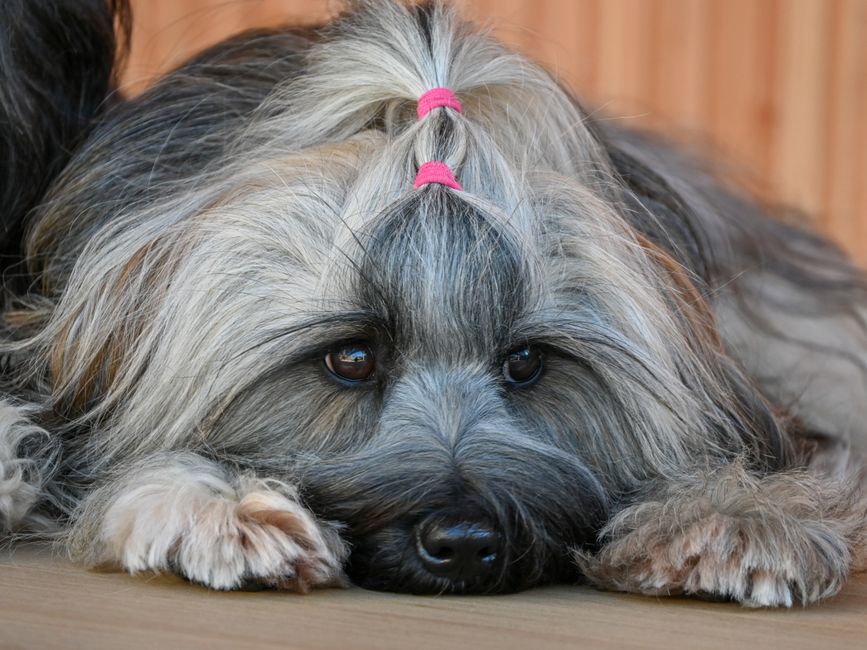
When you think of a lapdog with a heart of gold and a coat like silk, the Maltese breed guide naturally comes to mind. This ancient toy breed has charmed royalty and commoners alike for centuries. In this comprehensive Maltese breed guide, we will explore everything from grooming and temperament to health tips, so you can provide the best care for your furry friend. The Maltese is known for its playful yet gentle nature, making it an ideal companion for families, singles, and seniors. But beyond its adorable looks, this breed requires consistent care and attention to thrive. Let’s dive into what makes the Maltese truly special and how to keep them happy and healthy.
How to Groom Your Maltese Properly?
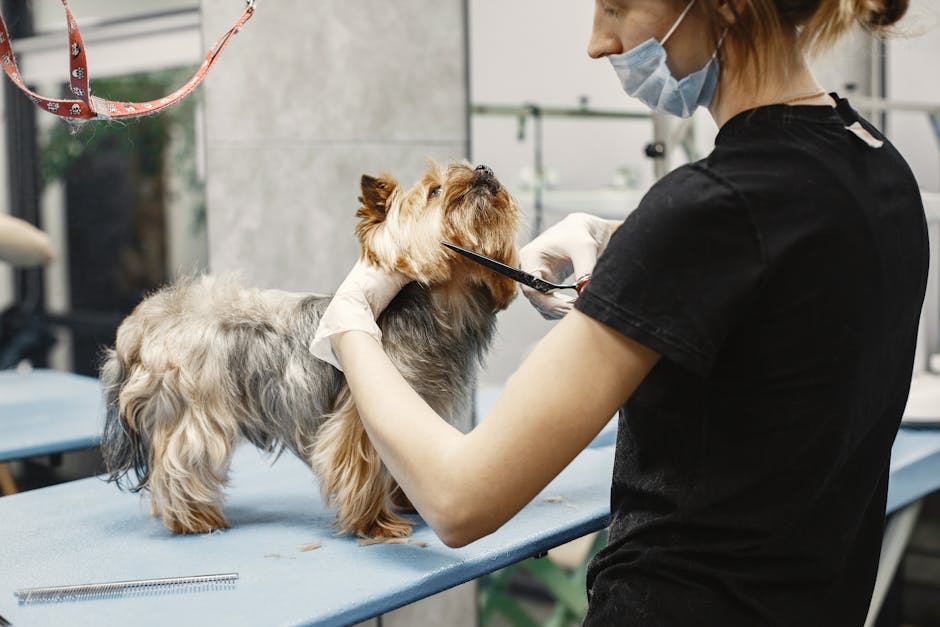
Grooming a Maltese is a labor of love due to its long, silky white coat that never stops growing. Proper grooming is essential not only for appearance but also for health. Regular brushing prevents mats and tangles that can lead to skin infections. Furthermore, you should bathe your Maltese every two to three weeks with a gentle, dog‑specific shampoo to keep the coat bright white. Additionally, trimming the hair around the eyes and sanitary areas is crucial for hygiene.
Daily Brushing Routine
To maintain a tangle‑free coat, brush your Maltese daily using a slicker brush and a metal comb. Start from the skin and work your way out to avoid pulling. If you encounter mats, use a detangling spray or consult a professional groomer. However, be cautious around the delicate eye area; some owners prefer to trim the hair short there to reduce tear staining.
Bathing and Drying Tips
Use lukewarm water and a high‑quality whitening shampoo. Rinse thoroughly to avoid residue that can cause skin irritation. After bathing, wrap your Maltese in a towel and pat dry, then use a blow dryer on a low, cool setting while brushing to prevent matting. Never let the coat stay damp, as that invites fungus and bacteria.
Nail, Ear, and Dental Care
Trim nails every two to three weeks to prevent overgrowth and discomfort. Check ears weekly for redness or odor, and clean them with a vet‑approved solution. Dental hygiene is often overlooked but vital: brush your Maltese’s teeth several times a week to prevent periodontal disease, a common issue in small breeds.
What Is the Temperament of a Maltese Dog?
The Maltese temperament is often described as affectionate, lively, and intelligent. These dogs thrive on human companionship and can suffer from separation anxiety if left alone too long. They are generally good with children and other pets, especially when socialized early. However, their small size means they can be easily injured by rough play, so supervision is necessary.
Moreover, Maltese dogs are known for their playful and sometimes stubborn streak. They respond best to positive reinforcement training methods. Consistent, gentle guidance helps them become well‑mannered companions. Despite their toy stature, they are alert and make excellent watchdogs, barking to announce strangers. However, excessive barking can become a nuisance if not addressed early.
Socialization and Training
Start socialization early by exposing your Maltese to various people, environments, and sounds. Obedience classes are beneficial. Housebreaking can be challenging due to their small bladders, so patience and routine are key. Crate training often helps with both housebreaking and providing a safe space.
What Are the Common Health Issues in Maltese?
While generally healthy, the Maltese breed is predisposed to certain conditions. Being aware of these can help you take preventive measures. Common issues include dental problems (due to small mouths), luxating patella (knee dislocation), eye disorders like tear staining and progressive retinal atrophy, and liver shunts.
- Dental Disease: Regular brushing and annual vet cleanings are crucial.
- Luxating Patella: Watch for hopping or limping; surgery is sometimes needed.
- Eye Issues: Keep hair trimmed around eyes and clean any discharge daily.
- White Shaker Syndrome: A neurological condition causing tremors; manageable with medication.
- Allergies: Skin allergies can cause itching; identify triggers with your vet.
Additionally, Maltese are prone to obesity if overfed. Stick to a portion‑controlled diet and regular exercise. Routine vet checkups are essential for early detection of any health issues.
How to Keep Your Maltese Healthy and Happy?
Beyond grooming and health monitoring, a happy Maltese needs mental stimulation and proper nutrition. Provide interactive toys and short daily walks, but avoid excessive exercise—they are a toy breed. Their diet should be high‑quality, age‑appropriate, and low in fillers to maintain a healthy weight.
Furthermore, create a consistent daily routine for feeding, walks, and playtime. Maltese dogs love to be with their owners, so consider dog‑safe puzzles or hide‑and‑seek games to keep their minds active. Social interaction with other friendly dogs also helps.
Nutrition Tips
Feed small, frequent meals to prevent hypoglycemia, especially in puppies. Avoid foods with artificial dyes that can worsen tear stains. Omega‑3 supplements can promote a healthy coat and reduce inflammation.
Lastly, always provide fresh water and avoid feeding table scraps. A well‑balanced diet combined with regular vet visits will extend your Maltese’s lifespan, which averages 12 to 15 years.
Conclusion
In summary, the Maltese is a delightful companion that brings joy with its affectionate nature and beautiful appearance. However, it requires dedicated grooming, attentive health care, and consistent training. By following this Maltese breed guide—focusing on grooming, temperament, and health tips—you can ensure your Maltese lives a long, happy, and healthy life. Whether you are a first‑time owner or an experienced enthusiast, the reward of a loving relationship with this charming breed is well worth the effort.