
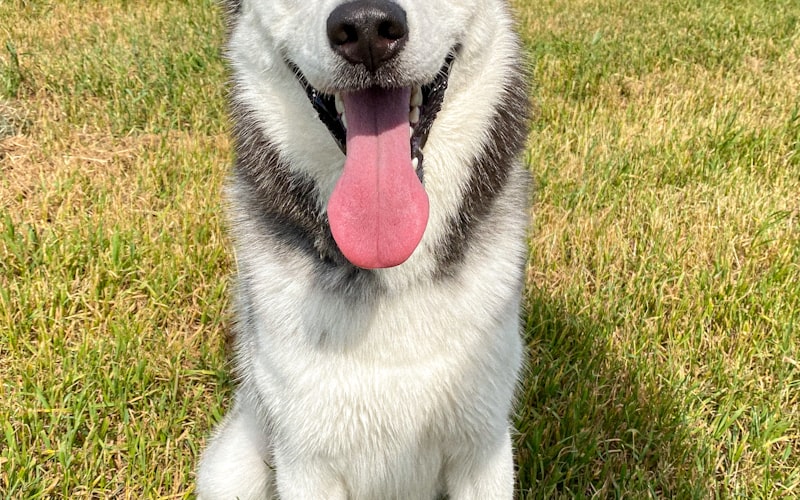
The Siberian Husky is the most surrendered breed at shelters in multiple US cities. Let that sentence sit for a moment. The breed with the piercing blue eyes, wolf-like beauty, and social media ubiquity is also the breed that owners give up at higher rates than almost any other. This is not because Huskies are bad dogs. It is because the gap between what people expect from a Husky and what a Husky actually is may be the widest in the entire dog world.
- History: Built for Survival, Not Your Living Room
- The Reality Check: Five Things Nobody Tells You
- 1. "High Energy" Is an Understatement
- 2. They Are Escape Artists
- 3. They Cannot Be Trusted Off-Leash
- 4. They Are Not Quiet
- 5. The Shedding Is Biblical
- Temperament: The Charming Disaster
- Health
- Is a Husky Right for You?
- Frequently Asked Questions
- Are Huskies part wolf?
- Can Huskies live in warm climates?
- Why does my Husky ignore commands it clearly knows?
This guide exists to close that gap. If you're considering a Husky, what follows might save you — and a dog — from a failed adoption. If you already have one, it will help you understand the magnificent, frustrating, utterly unique animal sharing your home.
History: Built for Survival, Not Your Living Room
The Siberian Husky was developed by the Chukchi people of northeastern Siberia over thousands of years. These were not pets — they were survival tools. The Chukchi needed dogs that could pull light loads over vast distances in temperatures reaching -60°F, survive on minimal food, and coexist peacefully in close quarters with families in small shelters during brutal Arctic winters.
This breeding history created every trait that makes Huskies simultaneously wonderful and impossible:
- Endurance metabolism: Huskies can run 100+ miles per day burning fat as fuel, with a metabolic switch that no other breed possesses. This is why your Husky is still bouncing off the walls after a "long" walk.
- Independent decision-making: A sled dog that blindly obeys a musher who commands it onto thin ice gets the whole team killed. Huskies were bred to think independently and override commands they judge as dangerous. This is why your Husky ignores you.
- Pack social structure: Huskies lived, worked, and slept in groups. Isolation is psychologically damaging for this breed.
- Prey drive: In summer, Chukchi dogs were released to hunt for themselves. The prey drive that kept them alive makes them dangerous to cats, small dogs, and wildlife.
The Reality Check: Five Things Nobody Tells You
1. "High Energy" Is an Understatement
When breed profiles say Huskies are "high energy," they are using the term in a way that is almost criminally misleading. A Labrador is high energy. A Border Collie is high energy. A Husky operates at a level of sustained, purposeful, inexhaustible energy that most dog owners have never encountered. A 2-hour hike that would exhaust a Lab is a warmup for a Husky. They need 2+ hours of vigorous exercise daily — not walking, but running, mushing, bikejoring, or other sustained cardiovascular activity. Anything less and you will pay for it in destroyed furniture, excavated yards, and escape attempts.
2. They Are Escape Artists
Huskies can and will: jump 6-foot fences, dig under fences, chew through fences, open gates and doors, squeeze through openings you thought were too small, and find weaknesses in containment you didn't know existed. A standard backyard fence is a suggestion, not a barrier. Husky-proofing requires 6-foot fencing with a concrete footer or buried hardware cloth, coyote rollers on top, and locked gates. Some owners resort to covered kennel runs.
3. They Cannot Be Trusted Off-Leash
A Husky off-leash in an unfenced area is a Husky you may never see again. Their prey drive and running instinct will override any recall training once they are in motion. There are exceptions — some individuals with years of intensive training can achieve reliable recall — but breed-wide, off-leash freedom in unsecured areas is not safe for this breed.
4. They Are Not Quiet
Huskies don't typically bark — they howl, scream, talk, and vocalize in ways that range from amusing to apartment-lease-threatening. The "Husky tantrum" — a dramatic vocal protest when they don't get what they want — is a breed trademark. Neighbors will hear your Husky. This is not trainable away; it is core breed behavior.
5. The Shedding Is Biblical
Twice a year, a Husky "blows" its undercoat. During these 2-3 week periods, the volume of fur coming off your dog is genuinely shocking — clumps the size of your fist, tumbleweeds of fur rolling across floors, fur in your food, your lungs, your soul. Year-round shedding is moderate but constant. If dog hair bothers you, do not get a Husky.
Temperament: The Charming Disaster
Despite everything above, Huskies are among the most charismatic dogs alive. They are:
- Genuinely friendly: Huskies love people — all people, including burglars. They are terrible guard dogs. A Husky will greet an intruder with enthusiasm and probably show them where the treats are.
- Social and pack-oriented: They thrive with other dogs and become depressed when isolated. Two Huskies are easier than one (they entertain each other).
- Dramatic and expressive: The breed's vocal and facial expressiveness creates a dog that seems to communicate on a nearly human level. Living with a Husky is like living with a furry, opinionated toddler.
- Playful for life: Huskies maintain puppy-like playfulness well into old age. A 10-year-old Husky will still initiate zoomies and play-bow.
Health
Huskies are one of the healthier purebreds, thanks to centuries of natural selection in extreme conditions:
- Hip dysplasia: Lower incidence than most large breeds, but still screen breeding stock. OFA certification recommended.
- Eye conditions: Hereditary cataracts, progressive retinal atrophy (PRA), and corneal dystrophy. Annual CERF/OFA eye exams for breeding dogs.
- Hypothyroidism: Common in the breed. Annual thyroid panels recommended after age 3.
- Zinc-responsive dermatosis: Huskies have higher zinc requirements than most breeds. Deficiency causes crusty, scaly skin, especially around the muzzle and eyes. Zinc supplementation often required.
- Lifespan: 12-15 years — longer than most breeds their size, reflecting their robust genetic foundation.
Is a Husky Right for You?
Get a Husky if:
- You are a runner, cyclist, hiker, or skier who wants a daily exercise partner for 2+ hours
- You have a securely fenced yard (6 feet, dig-proof)
- You are home frequently or can provide company (another dog, daycare)
- You have a high tolerance for noise, fur, and independent behavior
- You find humor in a dog that regularly outsmarts you
- You live in a cool-to-moderate climate (Huskies suffer in sustained heat)
Do NOT get a Husky if:
- You want an obedient, eager-to-please dog
- You work long hours and the dog will be alone
- You have cats, rabbits, or other small animals
- You live in a hot climate without robust air conditioning
- Your primary exercise is walking (not sufficient for this breed)
- You live in an apartment or rental with noise restrictions
- You want a guard dog (they will befriend your burglar)
Frequently Asked Questions
Are Huskies part wolf?
No. While they look wolf-like, modern Siberian Huskies are fully domesticated dogs. DNA testing confirms they are no more closely related to wolves than a Pug. Wolf-dog hybrids are a separate category and are illegal in many jurisdictions.
Can Huskies live in warm climates?
They can survive, but they will not thrive. If you live in a warm climate, exercise must be limited to early morning and evening, air conditioning is mandatory, and heat exhaustion risk must be constantly monitored. The breed was designed for -40°F, not +90°F.
Why does my Husky ignore commands it clearly knows?
Because it has evaluated your command and decided an alternative course of action is preferable. This is not defiance — it is breed-typical independent decision-making. You have not failed as a trainer; you have chosen a breed that does not equate love with obedience. Many Husky owners learn to negotiate with their dogs rather than command them.