
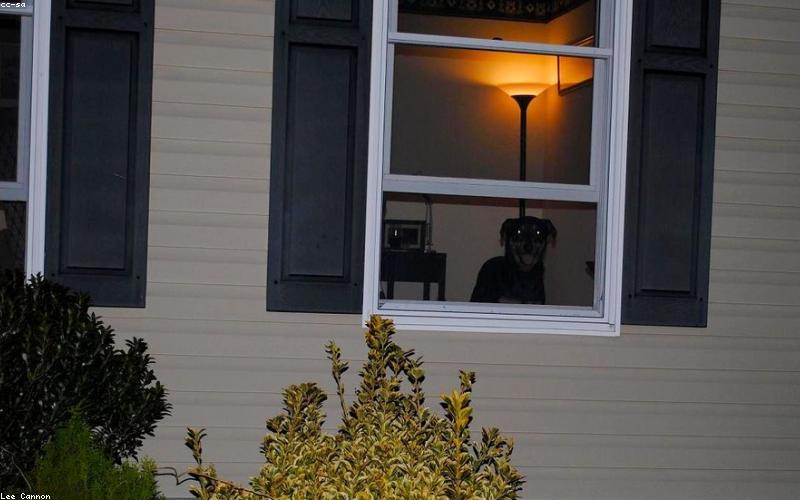
The Rottweiler may be the most unfairly maligned breed in the world. Media portrayals, insurance company blacklists, and a decades-long association with "tough guy" culture have painted a picture of an inherently dangerous animal. The reality — supported by temperament testing data, behavioral research, and the lived experience of millions of responsible owners — is dramatically different.
- History: From Roman Drover to Misunderstood Guardian
- Temperament: The Calm Confidence You Don't See on TV
- Confidence Without Aggression
- The "Lean"
- Goofy Side
- Territorial and Protective
- The Breeding Crisis
- Training: Non-Optional and Non-Negotiable
- Health Profile
- Exercise & Living Requirements
- Frequently Asked Questions
- Are Rottweilers good with children?
- Are Rottweilers banned anywhere?
- Do Rottweilers turn on their owners?
The American Temperament Test Society (ATTS) consistently scores Rottweilers at an 84%+ pass rate — higher than many "family-friendly" breeds including Golden Retrievers, Beagles, and Cocker Spaniels. The breed's problems are not inherent; they are almost entirely the result of irresponsible breeding and incompetent ownership.
History: From Roman Drover to Misunderstood Guardian
The Rottweiler's ancestors were Roman drover dogs — large, mastiff-type dogs that accompanied Roman legions through the Alps, herding and guarding the cattle that fed the army. When the Romans settled in what is now Rottweil, Germany, these dogs continued their droving work for local butchers for centuries. The breed earned the name "Rottweil Metzgerhund" (Butcher's Dog of Rottweil) and was trusted to carry money pouches tied around their necks on trips to market — a testament to their reliability and protective nature.
When railroads replaced cattle drives in the 1800s, the breed nearly disappeared. Early 20th-century revival efforts focused on police and military work, and the Rottweiler proved excellent. AKC recognition came in 1931, but the breed remained relatively uncommon until the 1980s and 1990s, when a surge in popularity attracted irresponsible breeders who prioritized size and aggression over the breed's traditional stability and work ethic.
Temperament: The Calm Confidence You Don't See on TV
A well-bred Rottweiler from proven lines exhibits a temperament that surprises people who expect aggression:
Confidence Without Aggression
The breed standard describes the ideal Rottweiler as "calm, confident, and courageous." A well-bred Rottweiler assesses situations with quiet watchfulness. They do not bark at every noise, lunge at every stranger, or exhibit the nervous reactivity that characterizes poorly-bred specimens. True breed temperament is self-assured neutrality — the Rottweiler knows it is powerful and does not need to prove it.
The "Lean"
Rottweiler owners universally know "the lean" — the breed's habit of pressing their full body weight against your legs while standing beside you. This is an affection behavior rooted in the herding instinct (body-blocking livestock) and it is one of the most endearing things about the breed. A 100-pound Rottweiler leaning against you is simultaneously inconvenient and heartwarming.
Goofy Side
Behind the imposing exterior lives a surprisingly silly dog. Rottweilers play with toys, do "zoomies" in the yard, make grunting conversational sounds, and exhibit a puppy-like playfulness that persists well into adulthood. This side of the breed rarely makes the news.
Territorial and Protective
Rottweilers are naturally protective of their property and family. This is a breed feature, not a flaw — but it requires responsible management. A Rottweiler must be socialized extensively during puppyhood so it can distinguish between genuine threats and normal visitors, delivery drivers, and neighborhood children.
The Breeding Crisis
The Rottweiler's biggest problem is not its genetics — it is the humans who breed them irresponsibly. During the breed's peak popularity in the 1990s, backyard breeders and puppy mills flooded the market with dogs selected for exaggerated size, "blockiness," or outright aggression. These dogs bear little resemblance to properly bred Rottweilers and are responsible for the vast majority of bite incidents that tarnish the breed's reputation.
Signs of a responsible Rottweiler breeder:
- OFA hip and elbow certifications on both parents (minimum)
- Cardiac evaluation (echocardiogram)
- JLPP (Juvenile Laryngeal Paralysis and Polyneuropathy) DNA test
- Temperament testing of breeding stock
- Willingness to show you the parents' behavior around strangers
- Questions about YOUR experience, lifestyle, and training commitment
- Takes dogs back at any age for any reason
Training: Non-Optional and Non-Negotiable
Owning a Rottweiler without investing in training is irresponsible — not because the breed is inherently dangerous, but because a powerful, protective breed that is inadequately trained and socialized becomes dangerous through mismanagement.
- Start immediately: Puppy kindergarten by 10-12 weeks. Basic obedience by 4-6 months. CGC (Canine Good Citizen) certification by 12-18 months.
- Socialization priority: Expose to 100+ people, 50+ dogs, and dozens of environments before 16 weeks. This is the single most important thing you will do for your Rottweiler.
- Leadership through consistency: Rottweilers respect structure and clear expectations. They do not need (and should not receive) physical dominance displays. They need a confident owner who sets rules and enforces them consistently with fair consequences.
- Ongoing training: Training a Rottweiler is not a "graduate and done" process. Continued reinforcement of commands, socialization throughout life, and structured activities keep the dog mentally engaged and well-mannered.
Health Profile
- Hip & Elbow Dysplasia: Common in the breed. OFA testing of breeding stock is essential. Maintaining lean body weight reduces joint stress significantly.
- Cancer: Rottweilers have a higher-than-average cancer rate, particularly osteosarcoma (bone cancer) and lymphoma. Osteosarcoma typically presents as sudden lameness in a leg, usually in dogs over 7 years.
- Aortic Stenosis: A congenital heart condition. Cardiac screening (echocardiogram) of breeding dogs reduces incidence.
- JLPP: Juvenile Laryngeal Paralysis and Polyneuropathy — a fatal genetic neurological disease. DNA test available and should be mandatory for all breeding dogs.
- Cruciate Ligament Tears: Common in large, athletic breeds. Surgical repair ($3,000-$6,000 per knee) is typically required.
- Bloat (GDV): Deep-chested breed at risk. Prophylactic gastropexy recommended.
- Lifespan: 8-10 years. Cancer and joint disease are the leading causes of death.
Exercise & Living Requirements
- Exercise: 60-90 minutes daily. A mix of walks, play, and training. Rottweilers are not hyperactive but are athletic dogs that need regular physical outlet.
- Mental stimulation: Obedience drills, nose work, puzzle feeders, cart/weight pulling. Rottweilers excel in many dog sports including tracking, herding, and Schutzhund.
- Space: A house with a fenced yard is ideal. Apartment living is possible but requires dedicated daily exercise and outdoor time.
- Climate: Double coat handles cold well. Heat tolerance is moderate — avoid heavy exercise in high temperatures.
Frequently Asked Questions
Are Rottweilers good with children?
Well-bred, well-socialized Rottweilers are excellent family dogs. Their calm temperament and protective nature make them devoted to children. However, their size requires supervision with small children — a playful Rottweiler can accidentally knock over a toddler. Teach children to respect the dog's space and never allow children to climb on, hit, or tease any dog.
Are Rottweilers banned anywhere?
Yes — some municipalities, HOAs, and insurance companies restrict or ban Rottweilers. Check local breed-specific legislation and your insurance policy before acquiring one. This is changing as more jurisdictions adopt behavior-based rather than breed-based laws, but restrictions remain common.
Do Rottweilers turn on their owners?
This myth persists despite zero scientific support. Dogs do not "turn" — aggression events have identifiable causes including pain, fear, resource guarding, territorial behavior, or neurological disease. A properly bred, trained, and socialized Rottweiler is among the most loyal and stable companions imaginable.