
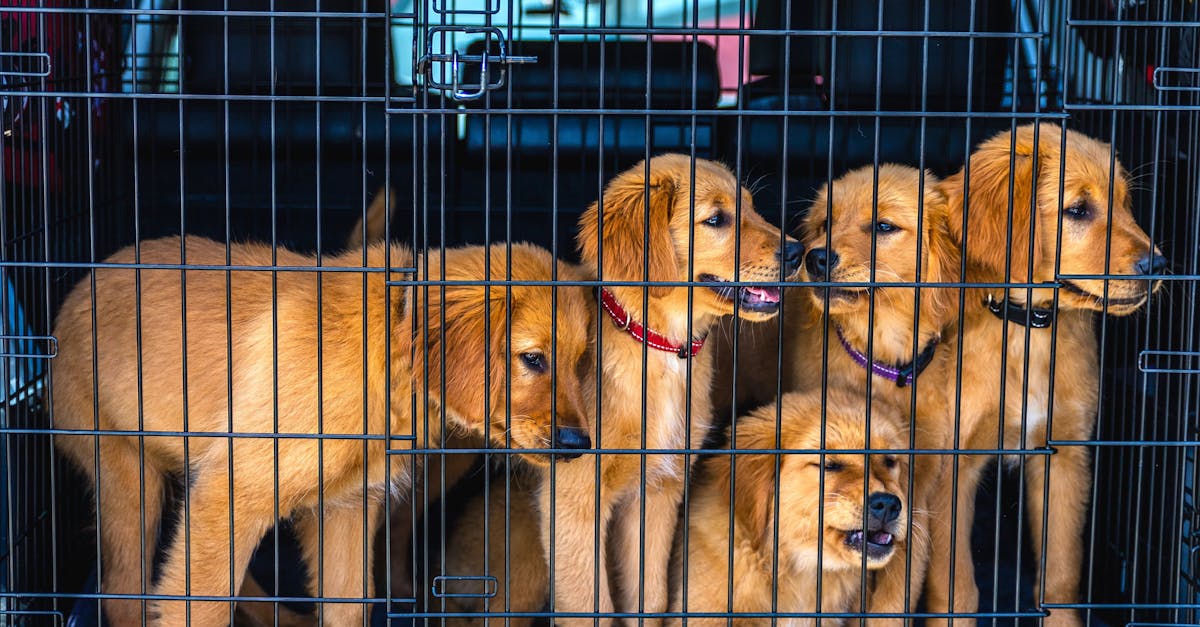
The socialization window — approximately 3 to 16 weeks of age — is the most developmentally critical period in your dog's entire life. During this brief window, puppies are neurologically primed to accept new experiences as "normal." What they're exposed to during this period becomes their baseline for life. What they miss becomes potentially frightening forever. No amount of training after 16 weeks can fully replicate what socialization achieves during this window.
The Science
During the socialization period, the puppy's brain is forming neural pathways at an extraordinary rate. Synaptic connections that are used (through exposure) are strengthened. Those that aren't used are pruned away. After approximately 16 weeks, the brain shifts from "everything new is potentially acceptable" to "everything new is potentially dangerous" — a survival adaptation that served wild canids but creates fearful pet dogs when the window is missed.
What to Socialize To (The Checklist)
People
- Men and women (puppies often fear men if under-exposed)
- Children of all ages (toddlers move and sound different from adults)
- People in uniforms, hats, sunglasses, beards
- People with mobility aids (wheelchairs, walkers, canes)
- Different ethnicities and body types
- Delivery workers, visitors, strangers approaching
Animals
- Vaccinated, friendly adult dogs (not just puppies)
- Cats (if the puppy will live with or encounter cats)
- Livestock (if relevant to lifestyle)
Environments
- Different floor surfaces (tile, grates, grass, gravel, carpet, wood)
- Stairs (up and down)
- Elevators
- Cars (riding in, not just seeing)
- Urban environments (traffic sounds, crowds)
- Rural environments (open spaces, wildlife)
- Veterinary clinic (happy visits — treats only, no procedures)
- Grooming salon
Sounds
- Thunder, fireworks (recordings at low volume, paired with treats)
- Vacuum cleaner, blender, hair dryer
- Sirens, construction noise
- Baby crying, children screaming
- Doorbells, knocking
Handling
- Paws touched, nails trimmed
- Ears examined, mouth opened
- Body lifted, restrained briefly
- Collar/leash/harness wearing
- Bathing, drying
Rules for Safe Socialization
- Quality over quantity: One positive experience trumps ten neutral or negative ones.
- Never force: If the puppy is scared, increase distance from the stimulus and use treats to create positive associations.
- The puppy chooses: Let the puppy approach new things at its own pace. Forced interaction creates fear, not confidence.
- Pair with food: New experience = treat. This creates positive emotional associations.
- Short sessions: Puppies tire quickly. 5-15 minute socialization outings, multiple times daily.
Before Full Vaccination
The socialization window closes before vaccination is complete. This creates a dilemma — but the solution is NOT isolation:
- Carry the puppy in arms in public (exposure without ground contact)
- Puppy socialization classes that require vaccination proof for all attendees
- Controlled playdates with known-healthy, vaccinated dogs
- Avoid high-risk areas (dog parks, pet stores, areas with unknown dog traffic) — NOT all new experiences
Frequently Asked Questions
My puppy is 5 months old and I missed the window. Is it too late?
The critical window is closed, but that doesn't mean improvement is impossible. It means progress will be slower, require more effort, and may never reach the level of confidence that proper early socialization produces. Start immediately with gentle, positive exposures. Consider working with a certified behaviorist for significantly fearful dogs.