
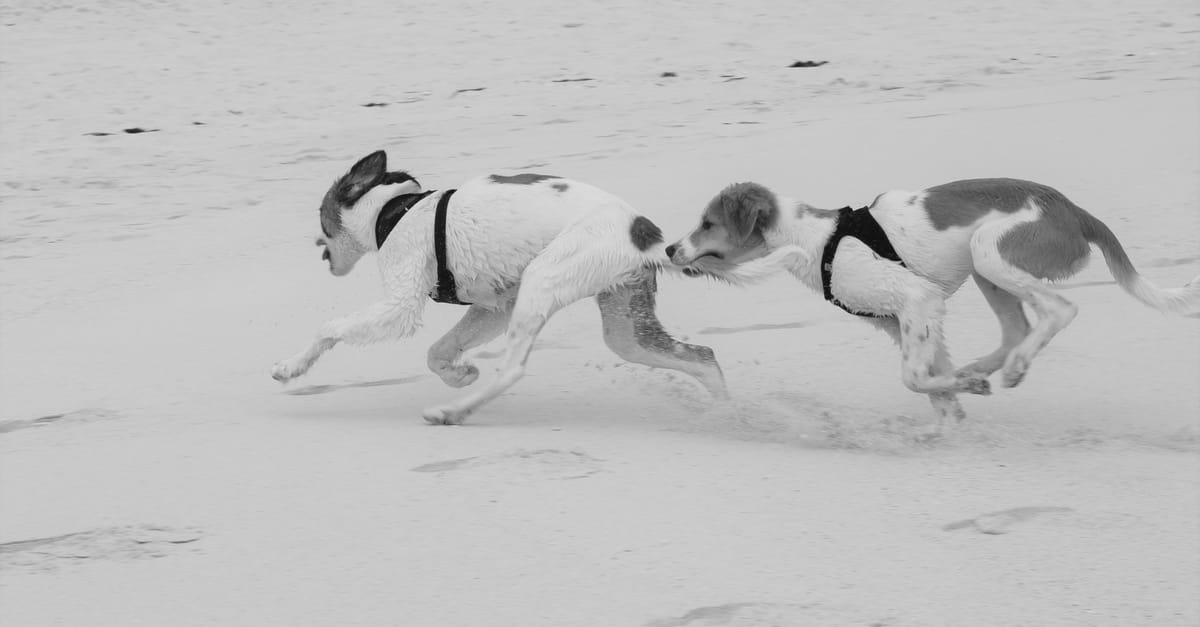
Prey drive — the instinctive sequence of orient → eye → stalk → chase → grab → kill → dissect → consume — is hardwired genetic behavior. It is NOT aggression (which involves emotional arousal and communication). Predatory behavior is quiet, focused, and runs on a completely different neurological pathway than aggression. You cannot train away genetics — but you can manage, redirect, and build impulse control around triggers.
The Predatory Motor Sequence
| Stage | Behavior | Breeds Selected For This Stage |
|---|---|---|
| Orient | Alerting to movement/stimulus | All dogs (basic survival) |
| Eye/Stalk | Focused staring, crouching, slow approach | Border Collies, other herding breeds |
| Chase | Pursuit of moving target | Greyhounds, Whippets, sighthounds |
| Grab/Bite | Catching and holding prey | Terriers, catch dogs |
| Kill/Shake | Killing bite, head shake | Terriers (bred to kill vermin) |
| Dissect/Consume | Eating the prey | Wolves, feral dogs |
Most domestic dogs have been selectively bred to have exaggerated early stages (eye-stalk in herding breeds, chase in sighthounds) while later stages are suppressed or reduced. However, the full sequence can still be triggered.
High-Risk Situations
- Small animals (cats, rabbits, squirrels, small dogs)
- Running children (movement triggers chase)
- Cyclists and joggers
- Birds and wildlife
- Small fluffy dogs (may trigger predatory response in larger dogs)
Management (Primary Strategy)
- Leash/long line: In all environments where triggers are present. Non-negotiable for dogs with strong, proven prey drive.
- Secure fencing: 6ft minimum for high-drive dogs. Check for gaps, dig potential, climb ability.
- Muzzle training: For dogs with history of catching/killing small animals — allows off-leash exercise in appropriate areas while preventing harm
- Separate from small animals: Dogs with full predatory sequence toward cats should NOT live with cats unsupervised. Period. This isn't fixable with training alone.
- Environmental control: Walk at times/places with fewer triggers
Training Modifications
- Pattern interrupt: Catch the dog at "orient" or "eye" stage (before full chase mode). "Watch me" or emergency u-turn. Once the dog is in full chase, recall is extremely unlikely to work.
- Impulse control foundation: "Leave it" practiced with increasingly difficult stimuli (starting with low-movement, building to fast-moving)
- Recall building: The recall must be MORE reinforcing than the chase itself. This requires extraordinary reward history (rare for most owners to achieve against actual prey).
- Predatory outlet games: Flirt pole, tug, fetch — provide legal outlets for the chase/grab sequence
- Premack principle: "Watch me" when squirrel appears → reward = release to watch squirrel (from leash). Builds "check in before chasing" habit.
Living with High-Prey-Drive Dogs Safely
- Accept the management requirement — it's not a training failure, it's reality
- Provide appropriate outlets (fetch, flirt pole, lure coursing for sighthounds)
- Use GPS tracking as backup safety measure
- Educate visitors and family about the dog's specific triggers
- Never leave unsupervised with small animals regardless of "how good they are together normally"
Frequently Asked Questions
Can my dog learn to live with cats if it has high prey drive?
It depends on which predatory stages are present. A dog that stares and stalks but stops there (herding breed eye-stalk) can often learn to coexist with management and training. A dog that has caught and shaken/killed small animals has demonstrated the full sequence — this dog should NEVER be unsupervised with cats regardless of training. The risk is too high for a single moment of failure.