
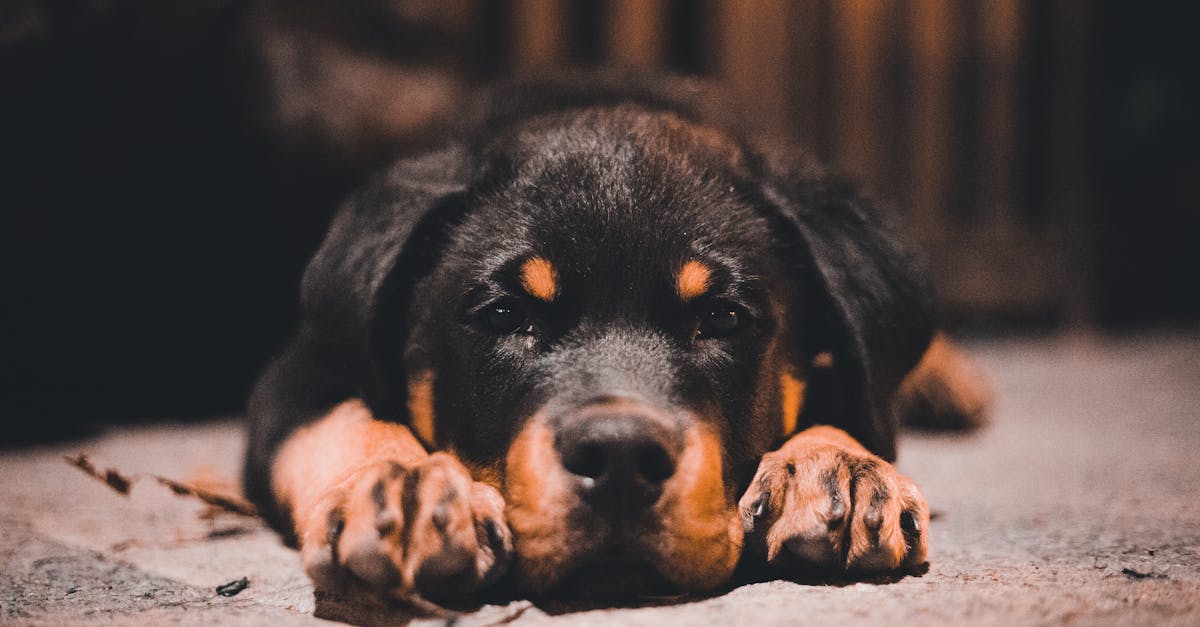
Canine parvovirus (CPV) is the most feared disease in puppy medicine. It attacks rapidly dividing cells — primarily the intestinal lining and bone marrow — causing severe hemorrhagic gastroenteritis, immune suppression, and death in 90% of untreated cases. Even with aggressive hospital treatment, 10-20% of infected puppies die. Parvovirus is entirely preventable with vaccination.
How It Spreads
- Extremely environmentally stable: Survives in the environment for 6-12 months or longer
- Resistant to most disinfectants: Only dilute bleach (1:30), potassium peroxymonosulfate (Trifectant/Rescue), or accelerated hydrogen peroxide kill it
- Fecal-oral transmission: Infected dogs shed billions of viral particles per gram of feces
- Indirect contact: Shoes, clothing, food bowls, hands of humans who contacted infected dog/environment
- Incubation: 3-7 days from exposure to symptoms
Symptoms Timeline
| Day | What Happens |
|---|---|
| Day 1-3 | Lethargy, decreased appetite |
| Day 3-5 | Vomiting (severe, repeated), fever |
| Day 4-7 | Profuse bloody diarrhea (characteristic foul smell), severe dehydration |
| Day 5-10 | Critical period: sepsis risk (bacteria cross damaged gut into bloodstream), DIC, death OR improvement |
Who Is At Risk
- Unvaccinated or incompletely vaccinated puppies (6 weeks - 6 months)
- High-risk breeds: Rottweilers, Doberman Pinschers, American Pit Bull Terriers, German Shepherds, Labrador Retrievers (may have genetic susceptibility)
- Immunocompromised adult dogs
- Shelters and breeding facilities (high density + incomplete vaccination)
Treatment
There is no antiviral drug for parvovirus. Treatment is supportive — keeping the puppy alive until its immune system clears the virus (5-10 days):
- Aggressive IV fluid therapy: Replaces massive fluid losses from vomiting and diarrhea
- Anti-nausea medications: Maropitant (Cerenia), ondansetron
- Antibiotics: Prevent/treat sepsis from bacterial translocation across damaged gut wall
- Pain management
- Nutritional support: Early enteral nutrition (feeding tube if needed) improves outcomes
- Monitoring: Blood glucose, electrolytes, white blood cell count, blood pressure
Survival Rates
- Without treatment: 10% survival (90% mortality)
- With hospital treatment: 80-90% survival
- With outpatient treatment (if available): 75-85% survival
- Treatment cost: $2,000-$5,000+ for hospitalization
Prevention
- Complete vaccination series (3 doses at 6-8, 10-12, and 14-16 weeks)
- Keep unvaccinated/partially vaccinated puppies away from unknown dogs and public areas
- Socialize in controlled environments with known-vaccinated dogs
- Bleach-clean any areas where infected dogs have been
Frequently Asked Questions
Can vaccinated dogs get parvo?
Very rarely after completing the full series. No vaccine is 100%, but fully vaccinated dogs that contract parvo typically have milder illness. Incomplete vaccination (only 1-2 doses) provides incomplete protection — this is why the full 3-dose puppy series is critical.