
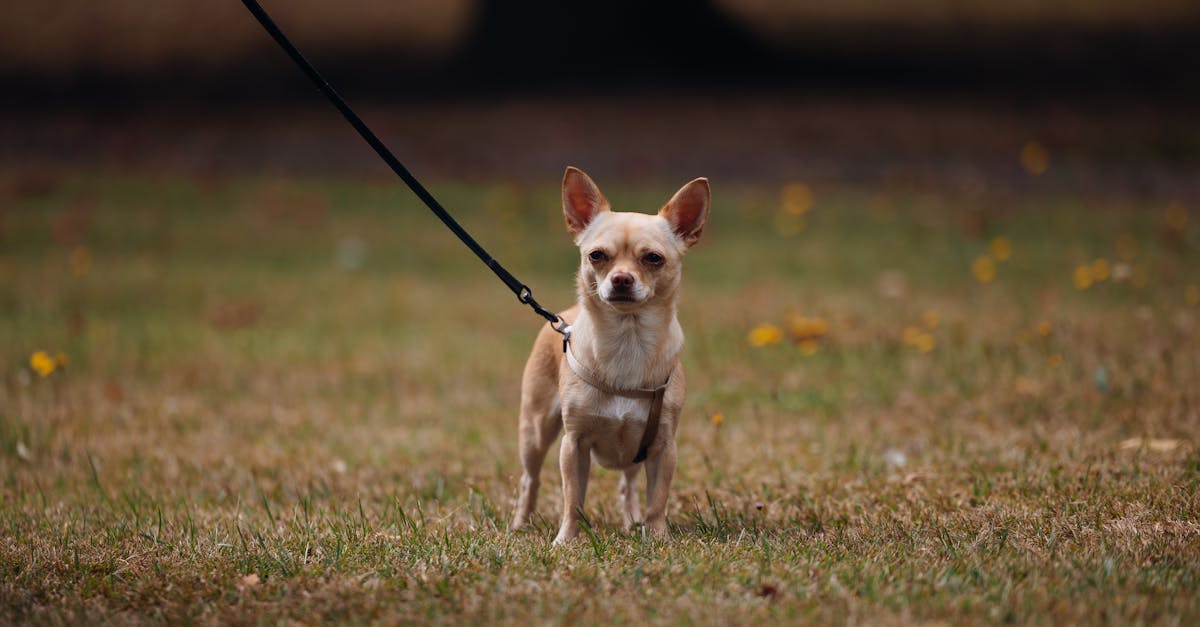
Pulling on leash is the #1 complaint of dog owners — and the reason many dogs get walked less than they should. The good news: it's entirely solvable. The bad news: it requires more patience than any other basic training skill because the dog has been reinforced for pulling (by reaching destinations) thousands of times before you start training. You're competing against a massive reinforcement history.
Why Dogs Pull
- Opposition reflex: Physical pressure triggers a natural push-back response. Pulling against the leash triggers pulling INTO the pressure — worsening the problem.
- Reinforcement history: Every time the dog pulls and reaches a tree, another dog, or a destination, pulling is reinforced. The dog learns: pull = get to interesting things.
- Speed mismatch: Dogs naturally walk 2-3x faster than humans. Our pace is frustratingly slow for them.
- Arousal: The outdoor environment is stimulating. Excitement increases forward momentum.
Equipment
| Equipment | How It Works | Best For | Limitations |
|---|---|---|---|
| Front-clip harness (Easy Walk, Freedom) | Leash attaches at chest; pulling turns dog toward handler | Management while training; most dogs | Doesn't teach — only manages. Can alter gait if poorly fitted. |
| Head halter (Gentle Leader, Halti) | Controls head direction; where head goes, body follows | Strong pullers; reactive dogs; immediate management | Requires acclimation; can cause neck injury if dog lunges |
| Flat collar | Standard attachment point | Dogs already trained; low-pull dogs | No pulling management; can damage trachea in pullers |
| Back-clip harness | Comfortable distribution of pressure | Small dogs; dogs with trachea concerns | Actually encourages pulling (sled dog principle) |
The Training Protocol: "Be a Tree"
- Walk at normal pace with leash at comfortable length
- The instant the leash goes tight: STOP. Become a tree. Do not move forward.
- Wait until the dog looks at you or the leash goes slack
- Mark ("Yes!") + reward the moment pressure releases or dog checks in
- Resume walking
- Repeat. Yes, you will stop every 2-3 steps initially. This is normal. You may not make it down the driveway in the first session.
Progression
- Phase 1 (indoors): Practice in your house and yard first (low distraction)
- Phase 2 (quiet street): Front yard, quiet neighborhood
- Phase 3 (moderate distractions): Busier streets, some dogs/people visible but far away
- Phase 4 (high distractions): Parks, pet stores, areas with other dogs and people
The Penalty Yard Method
Alternative for dogs that don't respond well to stopping:
- Dog pulls → you take 3 steps BACKWARD (the dog loses ground it gained by pulling)
- Once dog returns to your side → mark and reward → resume forward
- Dog learns: pulling moves us AWAY from the goal. Walking nicely moves us toward it.
Engagement Strategy
Reward the dog for choosing to be near you, even without being asked:
- Random treats when the dog glances at you during walks
- Mark and reward every voluntary "check-in" (eye contact on walks)
- Make yourself more interesting than the environment (treats, happy voice, varied pace, direction changes)
Frequently Asked Questions
How long does it take to train loose leash walking?
Typically 4-8 weeks of consistent daily practice for significant improvement in average-distraction environments. Dogs with years of pulling history take longer. Adolescent dogs (6-18 months) are the most challenging due to developmental distractibility. Patience and consistency are non-negotiable.
Should I use a prong collar or choke chain?
No. These work through pain and discomfort — causing the dog to suppress pulling to avoid pain. They are associated with tracheal damage, esophageal damage, increased anxiety/aggression (if pain is associated with other dogs/people seen on walks), and learned helplessness. Front-clip harnesses and positive training achieve better long-term results without these risks.