

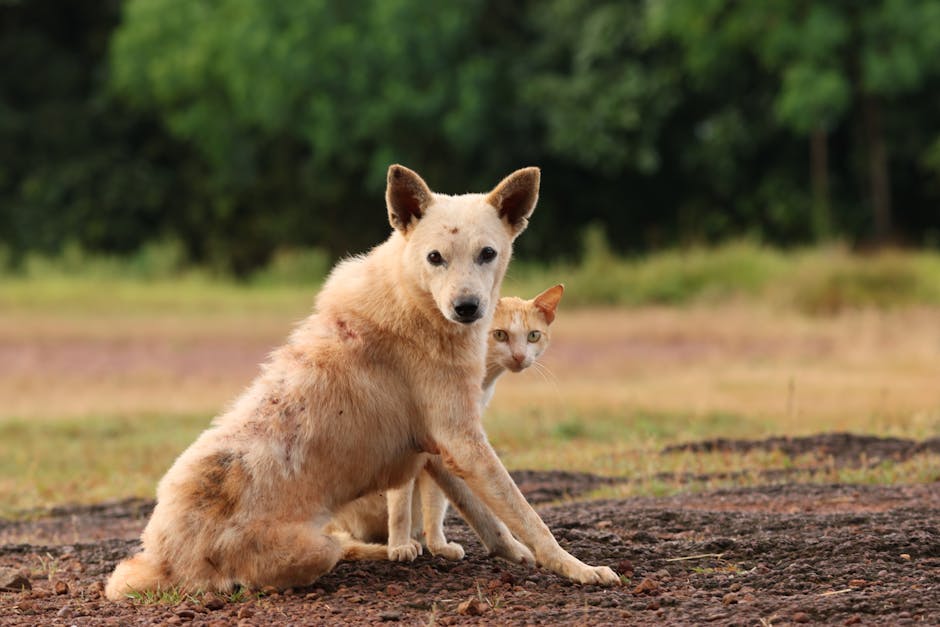
What Are the Most Common Types of Dog Skin Allergies?
Dog skin allergies are a frequent concern for pet owners, and understanding the types is the first step toward relief. The primary keyword, dog skin allergies, refers to an overreaction of the immune system to substances in the environment, food, or parasites. These allergies can cause intense itching, redness, and discomfort. The most common types include flea allergy dermatitis, food allergies, environmental allergies (atopic dermatitis), and contact allergies. Each type has distinct triggers and requires a tailored approach to management. Moreover, many dogs may suffer from multiple allergies simultaneously, making diagnosis challenging but crucial for effective treatment.
Flea Allergy Dermatitis
Flea allergy dermatitis (FAD) is one of the most prevalent skin allergies in dogs. It occurs when a dog is hypersensitive to flea saliva. Even a single flea bite can trigger severe itching, hair loss, and skin infections, especially around the tail base and hind legs. Dogs with FAD often exhibit intense scratching and chewing. Prevention through year-round flea control is key, but treatments include topical or oral medications to kill fleas and soothe inflammation. Additionally, environmental control is essential to break the flea life cycle.
Food Allergies
Food allergies in dogs are typically reactions to proteins such as beef, chicken, dairy, or wheat. Symptoms include itchy skin, ear infections, and gastrointestinal issues like vomiting or diarrhea. Unlike sudden onset food intolerances, true food allergies develop over time. Diagnosis often involves an elimination diet—feeding a novel protein or hydrolyzed diet for 8–12 weeks. Furthermore, once the offending ingredient is identified, lifelong avoidance is the primary treatment. Commercial hypoallergenic diets can simplify management.
Environmental Allergies (Atopic Dermatitis)
Atopic dermatitis is a genetic condition where dogs react to allergens like pollen, mold, dust mites, or grasses. Symptoms typically appear between 1 and 3 years of age and worsen seasonally. Dogs may lick their paws, rub their face, or develop recurrent ear infections. Management includes antihistamines, corticosteroids, omega-3 fatty acids, and immunotherapy (allergy shots or drops). Additionally, regular bathing with medicated shampoos can remove allergens from the skin and provide temporary relief.
Contact Allergies
Contact allergies are less common and occur when a dog's skin directly touches an irritant, such as certain fabrics, plants (e.g., poison ivy), or chemicals in shampoos or carpets. Symptoms are localized to the area of contact, with redness, bumps, and itching. The solution is to identify and remove the irritant. However, since contact allergies are rare, your vet will rule out other causes first.
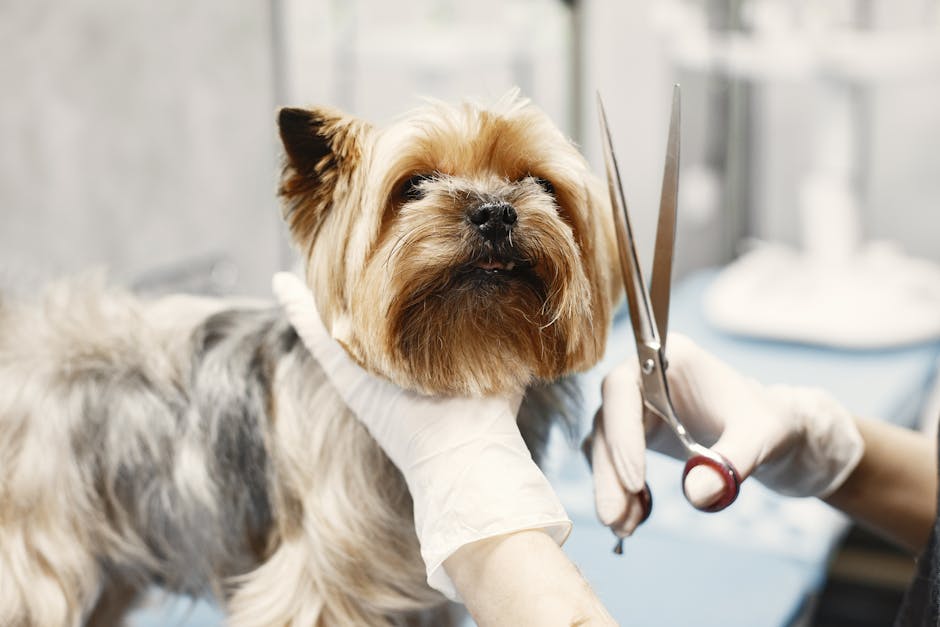
What Triggers Dog Skin Allergies?
Understanding triggers is vital to preventing flare-ups. Common triggers vary by allergy type, but they generally fall into three categories: environmental, dietary, and parasitic. Here is a list of primary triggers:
- Environmental triggers: Pollen (trees, grasses, weeds), mold spores, dust mites, and household chemicals.
- Dietary triggers: Proteins (beef, chicken, eggs), grains (wheat, corn), or dairy products.
- Parasitic triggers: Flea saliva, mites, and ticks.
- Contact triggers: Wool, nylon, rubber, or harsh cleaning products.
Furthermore, secondary infections from bacteria or yeast can worsen the allergic response. For instance, a dog with atopic dermatitis may develop a yeast infection in the ear, intensifying the itch. Thus, addressing both the primary trigger and secondary infections is essential for comprehensive relief.
How Can You Identify the Signs of Skin Allergies in Dogs?
Recognizing early signs can prevent chronic discomfort. Symptoms of dog skin allergies often include:
- Excessive scratching, licking, or chewing, especially on paws, belly, or tail base.
- Red, inflamed skin or hot spots (moist, red lesions).
- Hair loss or thinning coat in patches.
- Recurrent ear infections with odor or discharge.
- Rubbing face against furniture or carpet.
- Sneezing or watery eyes if allergies are respiratory.
Additionally, changes in behavior—such as restlessness or aggression—can indicate discomfort. If you notice these signs, schedule a vet visit promptly. Early intervention often reduces the severity of outbreaks and improves your dog's quality of life.
What Are the Best Relief Solutions for Dog Skin Allergies?
Relief solutions range from medical treatments to home care. The best approach combines both to address underlying causes and soothe symptoms. Below are effective strategies organized by treatment type.
Veterinary Treatments
Vets may prescribe medications such as antihistamines (e.g., Benadryl), corticosteroids (for short-term inflammation), or newer options like Apoquel or Cytopoint that specifically target itch pathways. For food allergies, prescription hypoallergenic diets are recommended. Immunotherapy is a long-term solution for environmental allergies. Furthermore, regular vet check-ups allow dosage adjustments and monitor side effects.
Home Remedies and Diet Changes
In addition to vet care, home remedies can enhance comfort. For example, adding omega-3 fatty acids (fish oil) to your dog's diet reduces inflammation. A cool oatmeal bath soothes irritated skin. Apple cider vinegar diluted 1:1 with water can be sprayed on itchy spots (avoid open wounds). However, always consult your vet before trying new supplements. Diet changes—such as switching to a limited-ingredient or grain-free food—may help if food allergies are suspected.
Grooming and Skin Care
Regular grooming is crucial. Bathing your dog weekly with a hypoallergenic or medicated shampoo removes allergens and moisturizes the skin. Follow with a conditioner to restore the skin barrier. Additionally, wipe your dog's paws after walks to remove pollen. Use a damp cloth to clean the belly. Brushing helps distribute natural oils and reduces matting, which can trap irritants. Furthermore, keep your home clean—vacuum often, wash bedding in hot water, and use air purifiers to minimize indoor allergens.
When Should You See a Vet for Your Dog's Skin Allergies?
You should consult a veterinarian if your dog shows persistent itching, hair loss, or skin infections that do not resolve with basic care. Also, if your dog experiences open sores, changes in appetite, or signs of pain, immediate attention is needed. A vet can perform skin scrapings, blood tests, or elimination diets to pinpoint the exact cause. Moreover, they can rule out other conditions like mange or fungal infections that mimic allergies. Delaying treatment can lead to secondary infections, chronic skin damage, and decreased quality of life.
In summary, dog skin allergies require a proactive and multifaceted approach. By identifying types, avoiding triggers, and combining veterinary guidance with home care, you can significantly improve your dog's comfort. Remember to consult your vet before starting any new treatment regimen. With patience and proper management, your furry friend can enjoy itch-free, healthy skin.