
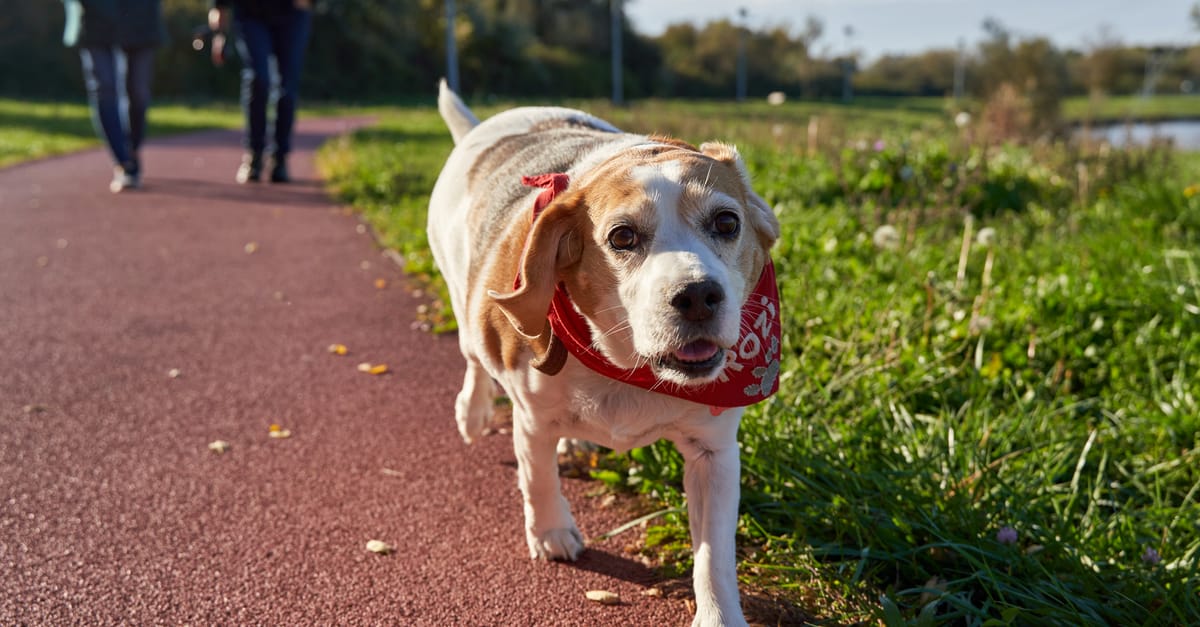
The Association for Pet Obesity Prevention reports that 56% of dogs in the United States are overweight or obese. Obesity reduces lifespan by an average of 2.5 years, increases cancer risk, worsens arthritis, promotes diabetes, and reduces quality of life in every measurable way. Despite being the most preventable health condition in dogs, obesity rates continue climbing.
Health Consequences
| System | Obesity Impact |
|---|---|
| Musculoskeletal | Accelerates arthritis, increases CCL rupture risk 2-3x, worsens hip dysplasia |
| Cancer | Increased risk of mammary tumors, transitional cell carcinoma, others |
| Respiratory | Reduced lung capacity, exercise intolerance, worsens brachycephalic syndrome |
| Metabolic | Insulin resistance, hypothyroidism-like effects |
| Cardiovascular | Increased workload, hypertension |
| Lifespan | Average 2.5 years shorter (Purina lifespan study) |
| Anesthesia | Higher risk during surgical procedures |
Body Condition Score (BCS)
The 9-point scale used by veterinarians:
- 1-3: Underweight (ribs, spine visible)
- 4-5: Ideal (ribs easily palpable, visible waist from above, abdominal tuck from side)
- 6-7: Overweight (ribs hard to feel, no waist, fat deposits)
- 8-9: Obese (ribs not palpable, no waist, abdominal distension, fat deposits on neck/limbs)
Each BCS point above 5 represents approximately 10% excess body weight.
Safe Weight Loss Protocol
- Veterinary assessment: Rule out metabolic causes (hypothyroidism, Cushing's) and calculate target weight
- Calculate caloric restriction: Target: RER (resting energy requirement) × 1.0 for weight loss. This is approximately 60-70% of current maintenance calories.
- Rate of loss: 1-2% body weight per week is safe and sustainable. Faster loss causes muscle wasting.
- Measure food precisely: Kitchen scale, not measuring cups. Cups overestimate by 20-40%.
- Account for ALL calories: Treats, dental chews, medications in food, table scraps — everything counts.
- Monthly weigh-ins: Adjust portions based on rate of loss.
- Consider weight management food: Higher protein (preserves muscle), higher fiber (increases satiety), lower calories.
Why Exercise Alone Fails
A 30-minute walk burns approximately 100-200 calories. A single cup of kibble contains 300-400 calories. You cannot out-exercise a caloric surplus. Weight loss is 80% dietary management, 20% exercise. Exercise is important for muscle maintenance and cardiovascular health, but caloric restriction drives weight loss.
Frequently Asked Questions
My dog is always hungry on a diet. What can I do?
High-fiber foods increase satiety. Green beans, carrots, and canned pumpkin add bulk without significant calories. Food puzzles extend mealtime. Multiple small meals (3-4 daily) may help. Weight management prescription diets (Hill's Metabolic, Royal Canin Satiety) are specifically designed to satisfy hunger at reduced calories.
How do I know my dog's ideal weight?
Your vet can estimate based on breed, frame size, and body condition. For mixed breeds, body condition scoring is more useful than a specific number. The goal is BCS 4-5: ribs easily palpable with slight fat cover, visible waist from above, and abdominal tuck from the side.