
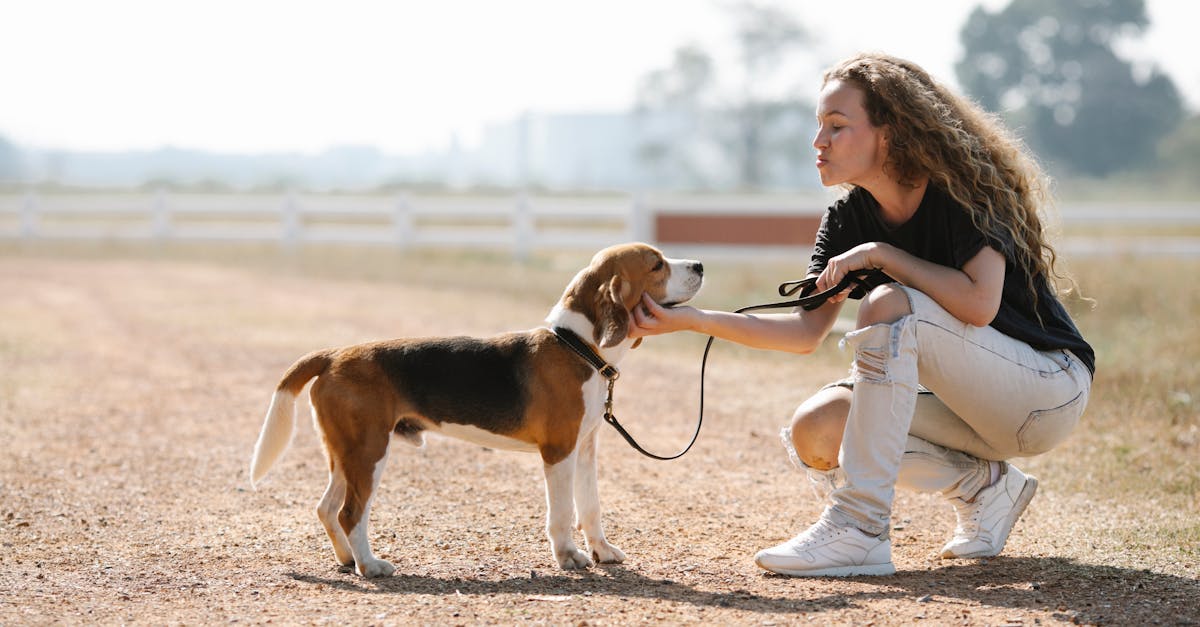
Dogs communicate primarily through body language — a rich, nuanced system of physical signals that most humans misread. Understanding canine body language prevents bites (by recognizing stress before it escalates), improves training (by reading the dog's emotional state), and deepens the human-dog bond (by truly understanding what your dog is telling you).
The Tail
| Position/Movement | Meaning | Common Misread |
|---|---|---|
| High and wagging fast | High arousal — NOT necessarily friendly. Could be excitement, confidence, OR aggression. | "Wagging tail = happy dog" (WRONG — aggressive dogs wag too) |
| Mid-level, broad sweep | Relaxed, friendly, approachable | — |
| Low, slow wag | Uncertain, slightly anxious, appeasement | Misread as "he's wagging so he must be fine" |
| Tucked between legs | Fear, extreme submission, anxiety | — |
| Stiff, high, vibrating | High alert, potential aggression, extreme arousal | Misread as "excited to see the other dog" |
| Wagging to the right | Positive emotional state (left brain activation) | — |
| Wagging to the left | Negative/uncertain emotional state (right brain activation) | — |
Stress and Appeasement Signals
These signals communicate "I'm uncomfortable — please reduce pressure":
- Lip licking (quick tongue flick — out of food context)
- Yawning (not tired — stressed)
- Turning head away/averting gaze
- Whale eye (showing whites of eyes — crescent moon shape)
- Shaking off (like shaking water off — when not wet)
- Sniffing the ground (sudden displacement behavior in social context)
- Scratching (sudden itch in stressful context)
- Panting (when not hot or exercised)
- Piloerection (raised hackles — arousal, not necessarily aggression)
Play Signals
- Play bow: Front end down, rear up. Universal "I want to play!" signal. Also used to apologize for being too rough during play.
- Bouncy movement: Exaggerated, inefficient movement patterns = play mode
- Role reversal: Taking turns chasing/being chased. Healthy play includes reciprocity.
- Self-handicapping: Bigger/stronger dog deliberately holds back to keep play balanced
- Play face: Relaxed open mouth, soft eyes, wrinkled nose — the "play grin"
Commonly Misread Behaviors
- "He's smiling!": Lip retraction showing teeth can be a fear grimace or appeasement grin — not always a happy smile. Context matters.
- "He loves belly rubs!": Not always. A dog exposing its belly may be showing submission/appeasement (asking you to stop being threatening), not asking for belly rubs. Look at the rest of the body — stiff legs, tucked tail, avoiding eye contact = appeasement, not invitation.
- "He's wagging, so he's friendly": Wagging indicates arousal/engagement, NOT happiness. An aroused, aggressive dog wags its tail. ALWAYS evaluate the whole body, not just the tail.
- "He's being dominant": Mounting, standing over other dogs, or body blocking are arousal/play/social behaviors — NOT evidence of "dominance" in the pack hierarchy sense. Dominance theory in dog training has been debunked by modern behavioral science.
Reading the Whole Dog
Never read one signal in isolation. Read the entire body as a complete picture:
- Relaxed dog: Soft eyes, loose body, weight evenly distributed, relaxed open mouth, tail at neutral position, ears at natural position
- Fearful dog: Weight shifted back, ears back/flat, tucked tail, cowering, lip licking, whale eye, may freeze before fleeing/biting
- Aroused/aggressive: Weight forward, stiff body, hard stare, high stiff tail, closed tight mouth, ears forward, hackles raised, stillness before lunging
Frequently Asked Questions
Why did my dog bite "without warning"?
Dogs almost never bite without warning. They gave warnings — they were just missed or misread. Most bites are preceded by: freeze → hard stare → lip lift → growl → snap. These may happen rapidly, but they were present. Learning stress signals helps you intervene long before the situation escalates to a bite.