
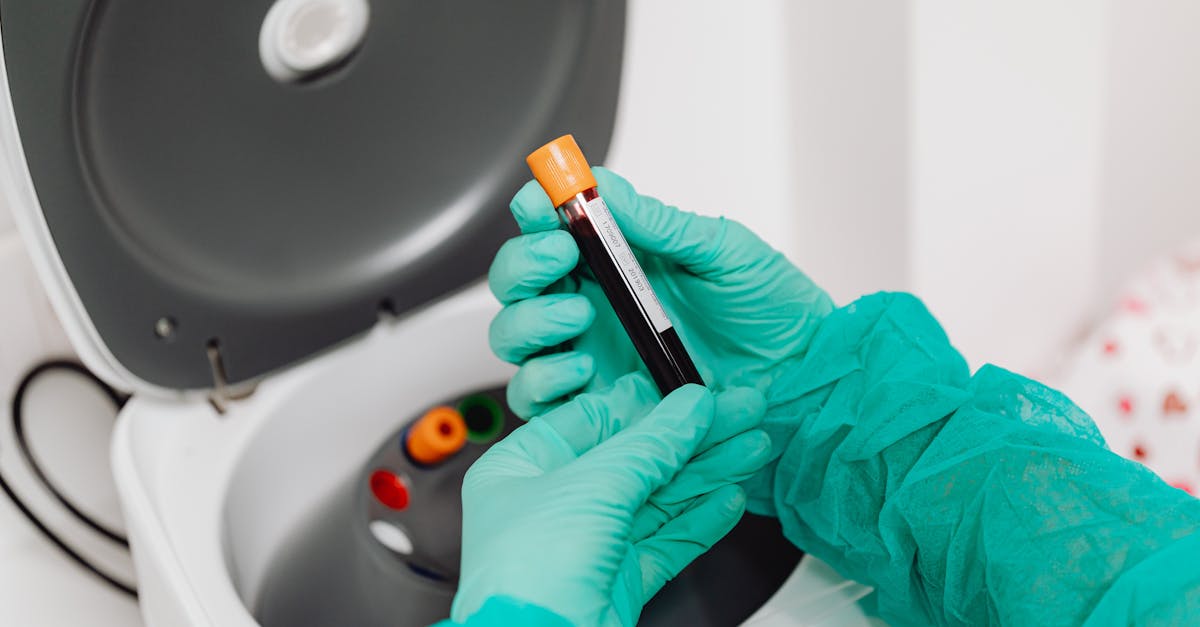
Blood work is the most important diagnostic tool in veterinary medicine — it reveals organ function, infection, anemia, hydration status, and dozens of other insights that physical examination alone cannot detect. Yet most owners receive blood work results with no real understanding of what the numbers mean. This guide translates veterinary lab work into plain language.
The Two Main Panels
CBC (Complete Blood Count)
Evaluates the cellular components of blood:
| Parameter | What It Measures | High Means | Low Means |
|---|---|---|---|
| RBC (Red Blood Cells) | Oxygen-carrying cells | Dehydration, polycythemia | Anemia (blood loss, destruction, decreased production) |
| HCT/PCV (Hematocrit) | % of blood that is RBC | Dehydration | Anemia (normal 37-55%) |
| WBC (White Blood Cells) | Immune/infection cells | Infection, inflammation, stress, leukemia | Bone marrow suppression, overwhelming infection |
| Platelets | Clotting cells | Inflammation, iron deficiency | Tick-borne disease, immune destruction, bone marrow disease |
| Neutrophils | Primary infection fighters | Bacterial infection, stress | Overwhelming infection, bone marrow failure |
| Lymphocytes | Immune surveillance | Chronic infection, lymphoma | Stress, steroids, acute infection |
| Eosinophils | Allergy/parasite response | Allergies, parasites | Usually not clinically significant |
Chemistry Panel (Metabolic Panel)
| Parameter | What It Reflects | High Means | Low Means |
|---|---|---|---|
| BUN (Blood Urea Nitrogen) | Kidney function | Kidney disease, dehydration, high-protein diet | Liver failure, low-protein diet |
| Creatinine | Kidney function (more specific) | Kidney disease (75% function lost before elevation) | Muscle wasting, small dogs |
| SDMA | Early kidney marker | Kidney disease (detects at 25-40% function loss) | Not clinically significant |
| ALT (Alanine Aminotransferase) | Liver cell damage | Liver damage (toxins, infection, inflammation) | Not significant |
| ALP (Alkaline Phosphatase) | Liver, bone, Cushing's | Cushing's, steroids, liver disease, growing puppies | Not significant |
| Glucose | Blood sugar | Diabetes, stress | Insulin overdose, Addison's, sepsis |
| Total Protein/Albumin | Nutrition, liver function, protein loss | Dehydration, inflammation | Liver failure, kidney protein loss, GI protein loss |
When Blood Work Is Recommended
- Annual wellness: All dogs over 7 (baseline + early disease detection)
- Pre-anesthetic: Before surgery/dental cleaning
- Sick dog: Part of diagnostic workup for illness
- Medication monitoring: NSAIDs, phenobarbital, thyroid medication, chemotherapy
- Senior dogs: Every 6 months for dogs on chronic medication or with known conditions
Frequently Asked Questions
One value is slightly abnormal. Should I worry?
A single mildly abnormal value in an otherwise healthy dog often represents normal variation, lab error, or transient change (stress, recent meal). Your vet interprets values in context — trends over time and patterns across multiple values are more meaningful than a single number slightly outside the reference range.
Why does my vet want blood work every year if my dog seems healthy?
Because dogs hide illness. Kidney disease, liver disease, thyroid disorders, and early diabetes are detectable on blood work months to years before symptoms appear. Early detection allows early intervention — cheaper, more effective, and better outcomes than treating advanced disease.