
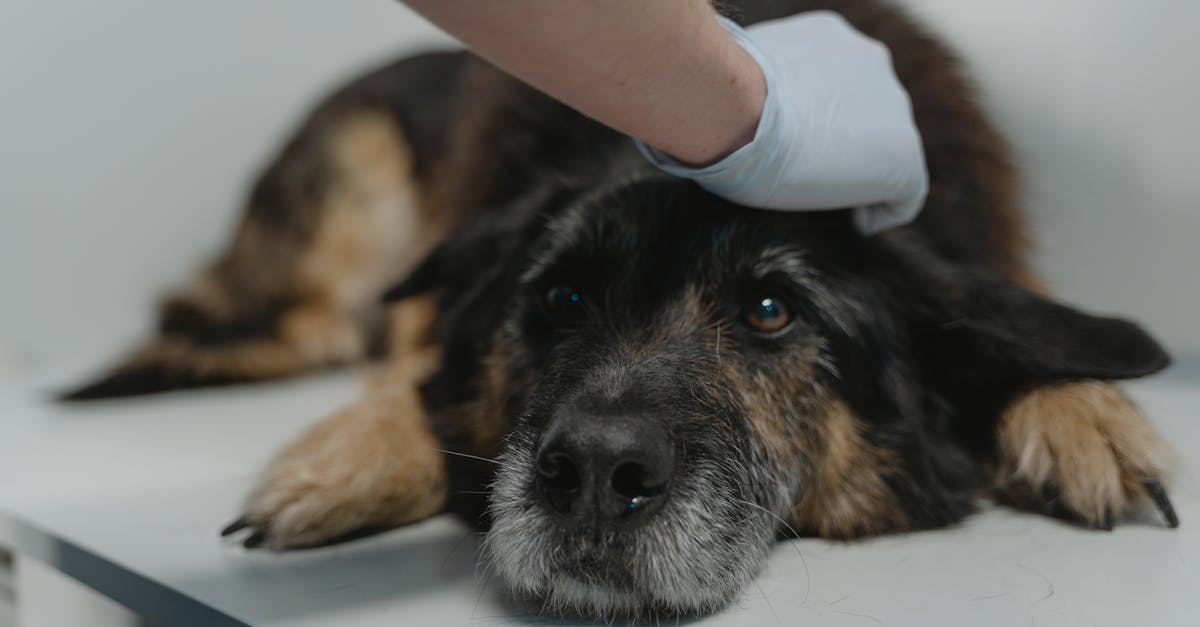
Diabetes mellitus affects approximately 1 in 300 dogs, with incidence increasing due to rising obesity rates. Unlike human Type 2 diabetes, most canine diabetes is Type 1 (insulin-dependent) — the pancreas has permanently lost its ability to produce sufficient insulin. This means lifelong twice-daily insulin injections are required. With proper management, diabetic dogs can live normal, comfortable lives for years.
Types of Canine Diabetes
| Type | Mechanism | Frequency | Treatment |
|---|---|---|---|
| Type 1 (IDDM) | Immune destruction of beta cells; no insulin production | Most common in dogs | Insulin injections (lifelong) |
| Type 2 (NIDDM) | Insulin resistance + relative deficiency | Rare in dogs (common in cats) | Weight loss, diet; may need insulin |
| Diestrus diabetes | Progesterone-induced insulin resistance in intact females | Uncommon | Spay + insulin (may resolve after spay) |
Symptoms
- Polyuria/Polydipsia (PU/PD): Excessive urination and water intake — the hallmark signs
- Weight loss despite good appetite
- Increased appetite (polyphagia)
- Lethargy
- Cataracts (75% of diabetic dogs develop cataracts within 12 months of diagnosis)
- Urinary tract infections (glucose in urine feeds bacteria)
Insulin Therapy
| Insulin | Type | Duration | Frequency |
|---|---|---|---|
| Vetsulin (Caninsulin) | Porcine lente (intermediate) | 8-14 hours | Twice daily |
| NPH (Humulin N) | Human intermediate | 8-12 hours | Twice daily |
| Glargine (Lantus) | Human long-acting | 12-24 hours | Once or twice daily |
| ProZinc (PZI) | Protamine zinc | 10-14 hours | Twice daily |
Injection Protocol
- Feed meal → confirm dog has eaten → inject insulin immediately after
- Same time every day (12 hours apart — e.g., 7 AM and 7 PM)
- Inject subcutaneously — rotate injection sites (neck, between shoulders, flanks)
- Never adjust dose without veterinary guidance
Monitoring
- Blood glucose curves: Serial glucose measurements every 2 hours over 12 hours. Done at vet or at home with portable glucometer.
- Fructosamine: Blood test reflecting average glucose over previous 2-3 weeks. Good for tracking overall control.
- Clinical signs: Water intake, urination frequency, body weight, energy level — owners monitor daily.
Complications
- Hypoglycemia (low blood sugar): Most dangerous acute complication. Signs: weakness, trembling, seizures, coma. Treatment: rub corn syrup on gums, feed immediately, seek vet care.
- Diabetic ketoacidosis (DKA): Life-threatening emergency when diabetes is uncontrolled. Signs: vomiting, lethargy, sweet/fruity breath, dehydration, collapse. Requires ICU hospitalization.
- Cataracts: Nearly universal in diabetic dogs. Surgery (phacoemulsification) restores vision.
Frequently Asked Questions
Can diabetic dogs live a normal life?
Yes. Well-regulated diabetic dogs have normal energy, appetite, and quality of life. Management requires commitment (twice-daily injections, consistent feeding schedule, regular vet monitoring) but becomes routine within weeks.
How much does diabetes management cost?
Monthly costs: insulin ($40-$100), syringes ($10-$20), glucose monitoring supplies ($20-$50), veterinary check-ups ($50-$150 quarterly). Total: $100-$300/month. Initial regulation period may be more expensive.