
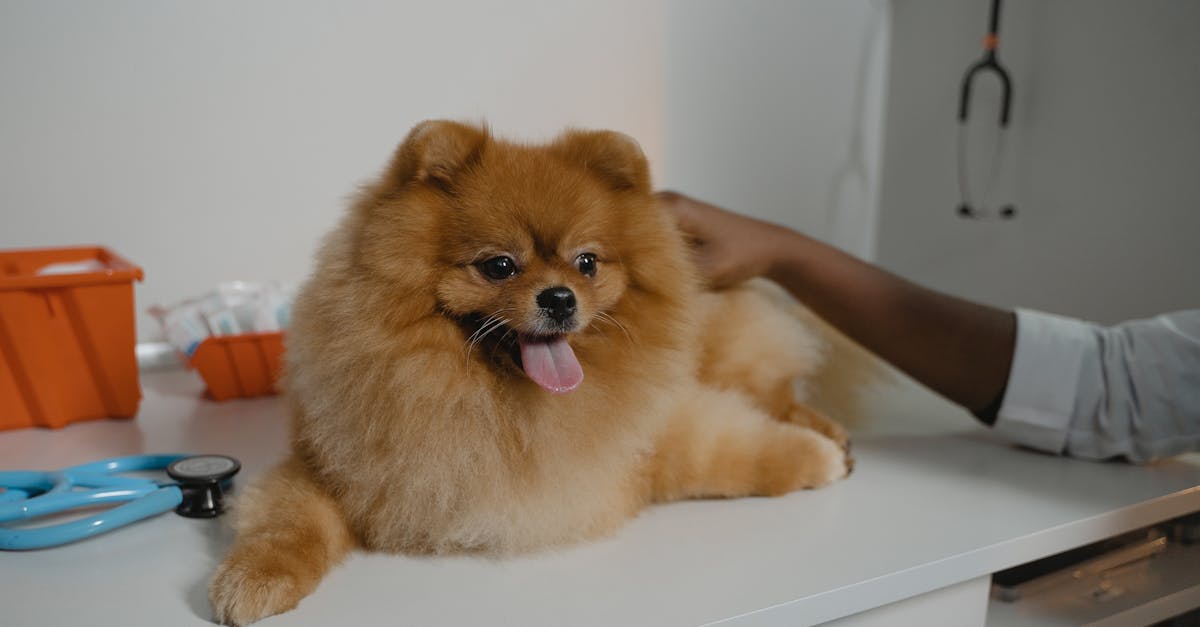
Canine influenza (dog flu) is a relatively new disease — H3N8 emerged in 2004 from equine influenza, and H3N2 jumped from avian influenza in Asia around 2006-2007, reaching the US in 2015. Unlike kennel cough (which most dogs recover from without treatment), canine influenza can cause severe pneumonia and death in a small percentage of cases. It spreads rapidly through dog populations because virtually no dogs have natural immunity.
The Two Strains
| Feature | H3N8 | H3N2 |
|---|---|---|
| Origin | Equine flu → dogs (2004, Florida) | Avian flu → dogs (Asia, reached US 2015) |
| Current prevalence | Declining | Dominant strain in US outbreaks |
| Incubation | 2-5 days | 2-5 days |
| Shedding period | 7-10 days | Up to 24 days (longer contagious period) |
| Severity | Usually mild-moderate | Can be more severe; higher pneumonia rate |
| Cat transmission | Not reported | Yes — H3N2 can infect cats |
Symptoms
- Mild form (80% of infected dogs): Cough (lasting 2-3 weeks), nasal discharge, mild lethargy, low-grade fever
- Severe form (20%): High fever (104-106°F), pneumonia, difficulty breathing, lethargy, loss of appetite
- Mortality: 1-5% (vs. near-zero for typical kennel cough)
- Asymptomatic carriers: ~20% of infected dogs show no signs but shed virus
How It Spreads
- Respiratory droplets (coughing, sneezing, barking)
- Contaminated surfaces (bowls, leashes, hands, clothing — virus survives 24-48 hours on surfaces)
- Direct contact between dogs
- Nearly 100% of exposed unvaccinated dogs become infected (no natural immunity in the population)
Treatment
- Mild cases: Supportive care — rest, nutrition, hydration. Most recover in 2-3 weeks.
- Severe cases: Hospitalization, IV fluids, antibiotics for secondary bacterial pneumonia, oxygen therapy if needed.
- Isolation: Infected dogs should be isolated for 21-28 days (H3N2 shedding period) to prevent spread.
Vaccination
- Bivalent vaccine available covering both H3N2 and H3N8
- Initial series: 2 doses, 2-4 weeks apart. Annual booster.
- Recommended for: Dogs in boarding, daycare, grooming, dog shows, shelters, or areas with active outbreaks
- Not needed for: Dogs with minimal social contact with other dogs
- Note: Vaccine reduces severity and shedding duration — it does not completely prevent infection
Canine Flu vs. Kennel Cough
| Feature | Canine Influenza | Kennel Cough (Bordetella) |
|---|---|---|
| Fever | Common (often high) | Uncommon |
| Duration | 2-4 weeks | 1-2 weeks |
| Pneumonia risk | Higher (up to 20%) | Lower (5-10%) |
| Mortality | 1-5% | <1% |
| Contagious period | Up to 24 days (H3N2) | 10-14 days |
Frequently Asked Questions
Can I catch the dog flu from my dog?
Currently, no confirmed cases of canine influenza transmission to humans exist. However, influenza viruses mutate, and the theoretical risk of future adaptation cannot be ruled out entirely. Standard hygiene (hand washing after handling sick dogs) is prudent.
Should I vaccinate my dog for canine flu?
If your dog regularly interacts with other dogs (daycare, boarding, dog parks, competitions) — yes, especially in areas with recent outbreaks. If your dog has minimal contact with other dogs — the risk-benefit calculation is less clear. Discuss with your vet based on your local epidemiological situation.