
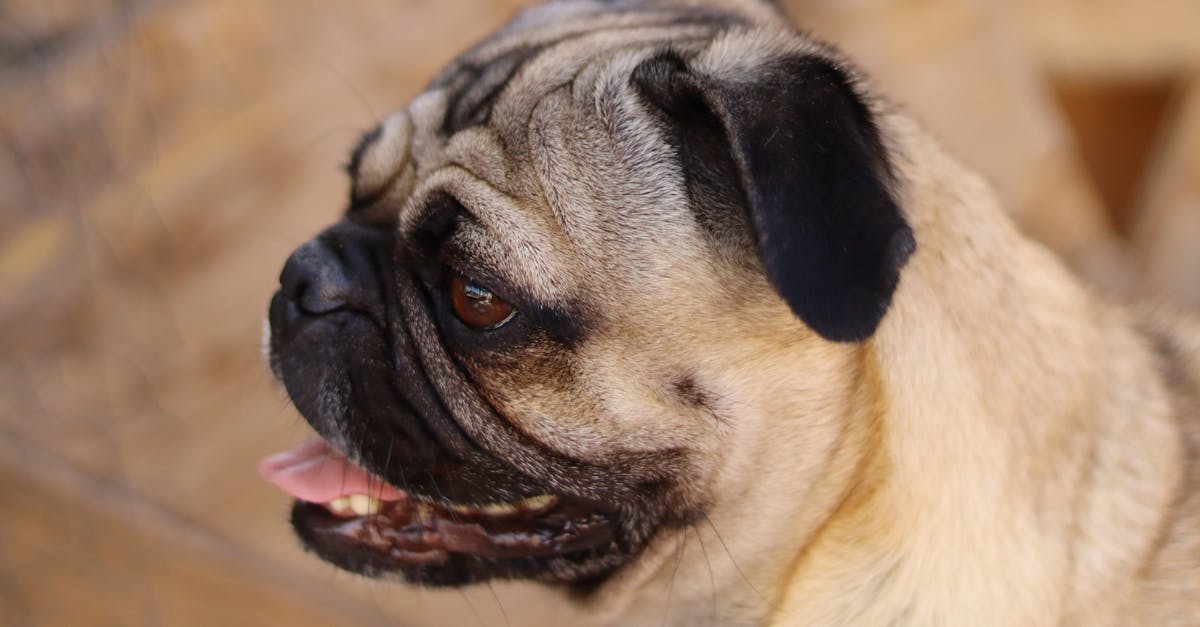
Brachycephalic Obstructive Airway Syndrome (BOAS) is the most controversial health issue in modern dog breeding. Breeds selectively bred for increasingly flat faces — French Bulldogs, English Bulldogs, Pugs, Boston Terriers, Cavalier King Charles Spaniels, Shih Tzus, and Pekingese — suffer from anatomical abnormalities that compromise their ability to breathe normally. Every snort, snore, and gasp that owners find "cute" or "normal for the breed" is actually a sign of respiratory distress.
Anatomical Problems
BOAS involves multiple structural abnormalities compressed into a shortened skull:
- Stenotic nares: Narrowed/collapsed nostrils restricting airflow
- Elongated soft palate: Too long for the shortened skull, obstructing the airway at the back of the throat
- Hypoplastic trachea: Abnormally narrow windpipe (especially in Bulldogs)
- Everted laryngeal saccules: Tissue pulled into the airway by chronic negative pressure breathing
- Nasopharyngeal turbinate overgrowth: Excessive tissue in nasal passages
Symptoms
- Snoring (awake and asleep)
- Stertor and stridor (loud breathing sounds)
- Exercise intolerance (collapses or stops after minimal activity)
- Overheating (can't pant effectively to cool down — heat stroke risk)
- Cyanosis (blue gums/tongue) during exertion or excitement
- Sleep apnea (stops breathing during sleep)
- Gagging/regurgitation
- Collapse/syncope during exercise or hot weather
Grading BOAS Severity
| Grade | Description | Management |
|---|---|---|
| Grade 0 | No respiratory signs | Monitor only |
| Grade I | Mild stertor, no exercise intolerance | Weight management, avoid heat, monitor |
| Grade II | Moderate noise, some exercise intolerance, occasional sleep disturbance | Surgery recommended |
| Grade III | Severe noise, significant exercise intolerance, cyanosis episodes, sleep apnea | Surgery strongly recommended/urgent |
Surgical Treatment
BOAS surgery addresses multiple components simultaneously:
- Nares widening (rhinoplasty): Opens collapsed nostrils
- Soft palate resection (staphylectomy): Shortens the elongated palate
- Laryngeal saccule removal: Removes everted tissue
- Cost: $2,000-$5,000 depending on how many components require correction
- Outcome: 85-95% improvement in breathing. Dogs can exercise more, tolerate heat better, and sleep without apnea.
Daily Management
- Maintain lean body weight: Extra weight compresses the already-compromised airway
- Avoid heat and humidity: BOAS dogs cannot cool effectively. Air conditioning is not a luxury — it's medical necessity
- Harness only (never collar): Collars put pressure on the already-compromised trachea
- Moderate exercise: Short walks in cool temperatures. No strenuous activity.
- Elevated food bowls: Reduces aerophagia and regurgitation
- Monitor during sleep: Some dogs benefit from sleeping with head elevated (reduces palate obstruction)
Frequently Asked Questions
Is snoring normal for my Bulldog/Pug?
It is COMMON — but not normal or healthy. Snoring indicates airway obstruction. The fact that "all Bulldogs snore" means all Bulldogs have BOAS to some degree — it does not mean snoring is harmless. If your dog snores, it has a breathing problem that may benefit from surgical evaluation.