
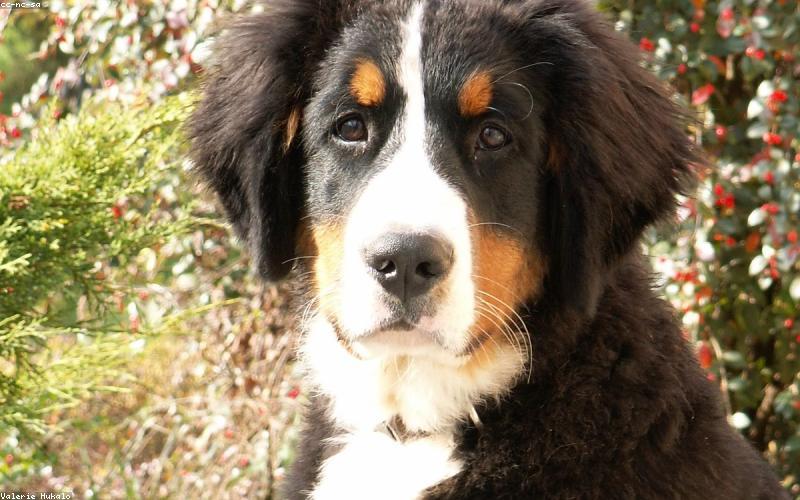
The Bernese Mountain Dog may be the cruelest trick nature has played on dog lovers. Here is a breed with one of the most perfect temperaments imaginable — gentle, loyal, calm, great with children, beautiful to look at, eager to please — paired with one of the shortest lifespans and highest cancer rates of any dog breed. The average Bernese Mountain Dog lives just 7-8 years. Nearly 50% die of cancer. And every Berner owner will tell you the same thing: it is not enough time. It is never enough time.
- History: The Swiss Farm Dog
- The Cancer Crisis
- The Numbers
- What's Being Done
- What You Can Do
- Temperament: Worth Every Heartbreak
- Other Health Concerns
- Exercise & Grooming
- Frequently Asked Questions
- Is 7-8 years really the average lifespan?
- Are they good apartment dogs?
- Should I get a Bernese knowing the lifespan?
History: The Swiss Farm Dog
The Bernese Mountain Dog (Berner Sennenhund) is one of four Swiss mountain dog breeds, originating in the Canton of Bern. For centuries, these dogs served Swiss farmers as draft animals (pulling milk carts to market), livestock guardians, and all-purpose farm companions. Their calm temperament around livestock, willingness to work in cold weather, and gentle nature with farm families made them indispensable.
The breed nearly went extinct in the late 1800s as industrialization replaced farm dogs. Professor Albert Heim championed the breed's preservation, and careful breeding programs saved the Bernese from disappearing. The AKC recognized the breed in 1937.
The Cancer Crisis
This section must come first because it is the single most important factor in the decision to own a Bernese Mountain Dog.
The Numbers
- Cancer mortality: Approximately 45-55% of Bernese Mountain Dogs die of cancer
- Histiocytic sarcoma: A uniquely devastating cancer in the breed. Approximately 25% of Berners develop this aggressive malignancy, which affects the spleen, lungs, liver, and lymph nodes. Median survival after diagnosis is 2-5 months.
- Lymphoma: Second most common cancer in the breed
- Mast cell tumors: Also elevated compared to other breeds
- Average lifespan: 7-8 years (compared to 10-13 for similar-sized breeds)
What's Being Done
The Bernese Mountain Dog Club of America and international breed organizations fund ongoing research into the genetic basis of histiocytic sarcoma. The Berner-Garde Foundation maintains a health database. Progress is being made, but the genetic complexity of cancer means solutions are years away.
What You Can Do
- Buy only from breeders who track and disclose cancer history in their lines for 3+ generations
- Maintain lean body weight (obesity is linked to increased cancer risk)
- Bi-annual veterinary exams after age 4 with comprehensive bloodwork
- Monthly full-body palpation for lumps or masses
- Consider abdominal ultrasound annually after age 5
- Pet insurance purchased in puppyhood before any pre-existing conditions
Temperament: Worth Every Heartbreak
If the cancer statistics haven't dissuaded you, here is why Bernese owners keep coming back to the breed despite knowing the heartbreak ahead:
- Gentle giant: Berners are genuinely gentle dogs. Not gentle "for their size" — gentle, period. They are careful around children, patient with other animals, and tolerant of handling.
- Calm confidence: Unlike many large breeds, Berners are not hyperactive or intense. They are calm, observant dogs that carry themselves with quiet dignity.
- Velcro dogs: Berners want to be near their people at all times. They follow you room to room, lie at your feet while you work, and are happiest when physically close to their family.
- Trainable: Eager to please and responsive to positive reinforcement. Not as quick as Border Collies or Poodles, but willing and cooperative. Harsh training methods are unnecessary and damaging.
- With children: Among the top breeds recommended for families. Their size, patience, and gentle nature make them natural family dogs. Many Berner owners describe their dog as the best thing that ever happened to their family.
Other Health Concerns
- Hip & Elbow Dysplasia: Common in the breed. OFA certification of both parents is essential.
- Bloat (GDV): Deep-chested breed at risk. Prophylactic gastropexy recommended.
- Progressive Retinal Atrophy: DNA test available.
- Von Willebrand's Disease: Bleeding disorder. DNA test available.
- Degenerative Myelopathy: SOD1 test recommended for breeding stock.
Exercise & Grooming
- Exercise: 45-60 minutes daily. Moderate — Berners enjoy walks, hikes, and cart pulling but are not high-intensity athletes. Avoid exercise in heat (they overheat easily with their thick coat).
- Grooming: Heavy shedding. Thick double coat requires brushing 2-3 times weekly, daily during seasonal coat blow. Professional grooming every 8-12 weeks.
- Heat sensitivity: Berners are cold-weather dogs. In warm climates, exercise during cool parts of the day only. Air conditioning is essential.
Frequently Asked Questions
Is 7-8 years really the average lifespan?
Unfortunately, yes. Multiple surveys confirm median lifespan of 7-8 years, with cancer as the primary cause of death. Some Berners live to 10-12, and breeders who track longevity are slowly improving these numbers. Ask your breeder about the ages their dogs live to — this is one of the most important questions you can ask.
Are they good apartment dogs?
Not ideal due to size (80-115 lbs), shedding, and heat sensitivity. A house with a yard in a temperate climate is the best environment. They can manage in larger apartments with dedicated exercise but are not a natural apartment breed.
Should I get a Bernese knowing the lifespan?
This is profoundly personal. Many Berner owners describe 7-8 years with their dog as among the most rewarding years of their lives. The breed's temperament creates a bond that is difficult to replicate with other breeds. If you go in with open eyes, choose health-tested lines, and commit to making every year count, the love you receive will be worth the grief you'll eventually face.