
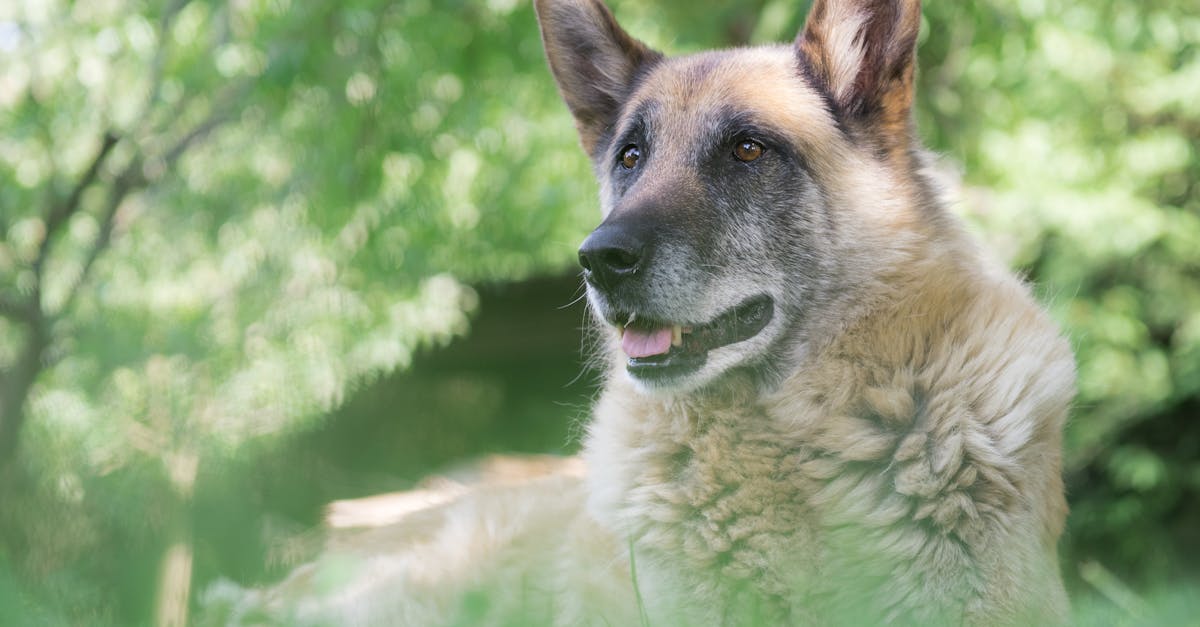
Osteoarthritis (OA) affects approximately 20% of adult dogs and up to 80% of dogs over age 8. It is the most common source of chronic pain in dogs — yet it remains under-diagnosed and under-treated because dogs are masters at hiding pain. By the time most owners notice limping, the disease has been progressing silently for months to years.
- Early Signs Most Owners Miss
- Multi-Modal Pain Management
- 1. Weight Management (Most Important)
- 2. NSAIDs (Pain Medication)
- 3. Joint Supplements
- 4. Physical Rehabilitation
- 5. Environmental Modifications
- 6. Newer Therapies
- Exercise for Arthritic Dogs
- Frequently Asked Questions
- Can arthritis be cured?
- Is my dog in pain if it's not crying?
Early Signs Most Owners Miss
- Slower to get up from rest (especially after long naps)
- Reluctance to jump onto furniture or into cars (behavior change, not "just getting older")
- Shifting weight off one leg while standing
- Less interested in long walks or play
- Lagging behind on walks
- Licking or chewing at joints
- Muscle loss over hips or shoulders
- Behavioral changes: less social, grumpy when touched in certain areas
Key insight: "Slowing down" is NOT normal aging — it's pain. Dogs don't voluntarily reduce activity. If your dog is moving less, it's because movement hurts.
Multi-Modal Pain Management
Modern arthritis management uses multiple therapies simultaneously for additive benefit:
1. Weight Management (Most Important)
Every extra pound creates 4 extra pounds of force on arthritic joints. The Purina lifespan study showed lean dogs needed arthritis medication 3 years later than overweight dogs. If your arthritic dog is overweight, weight loss produces more improvement than any single medication.
2. NSAIDs (Pain Medication)
| Drug | Brand | Frequency | Notes |
|---|---|---|---|
| Carprofen | Rimadyl | 1-2x daily | Most prescribed; long track record |
| Meloxicam | Metacam | Once daily | Liquid formulation available; easy dosing |
| Grapiprant | Galliprant | Once daily | Newer; targets specific pain pathway; may be gentler on GI/kidneys |
| Deracoxib | Deramaxx | Once daily | Good for post-surgical and chronic pain |
NSAIDs require periodic bloodwork monitoring (every 6-12 months) to check liver and kidney function.
3. Joint Supplements
- Fish oil (EPA/DHA): Most evidence-based. Anti-inflammatory. 100-150mg/kg daily.
- Glucosamine/Chondroitin: Modest evidence. Safe. 20-25mg glucosamine/kg daily.
- Adequan (polysulfated glycosaminoglycan): Injectable prescription. More potent than oral supplements. Loading dose then monthly maintenance.
4. Physical Rehabilitation
- Underwater treadmill (reduces weight on joints while building muscle)
- Therapeutic exercises (range of motion, balance, strengthening)
- Laser therapy (cold laser — reduces inflammation and pain at cellular level)
- Acupuncture (growing evidence base for pain management)
- Massage (reduces muscle tension compensating for joint pain)
5. Environmental Modifications
- Orthopedic memory foam bed (supports joints during rest)
- Ramps for cars and furniture (eliminates jumping)
- Non-slip mats on hard floors (prevents splaying and fall anxiety)
- Raised food/water bowls (reduces neck strain)
- Heated bed in cold weather (warmth reduces stiffness)
6. Newer Therapies
- Librela (bedinvetmab): Monthly injection targeting nerve growth factor (NGF). First monoclonal antibody for canine OA pain. Promising results.
- Stem cell therapy: Experimental. Some positive case reports but limited controlled studies.
- Platelet-rich plasma (PRP): Injection of concentrated platelets into affected joints. Evidence emerging.
Exercise for Arthritic Dogs
Exercise is essential — but the type matters:
- Good: Controlled leash walks (consistent, moderate pace), swimming, gentle play on soft surfaces
- Bad: Ball chasing (sudden stops/starts), jumping, running on hard surfaces, rough play with other dogs
- Principle: Consistent, low-impact daily exercise is better than weekend warrior bursts. "Little and often" rather than "lots and rarely."
Frequently Asked Questions
Can arthritis be cured?
No. Osteoarthritis involves irreversible cartilage loss. Management goals are: control pain, slow progression, maintain mobility, and preserve quality of life. With good multi-modal management, most arthritic dogs live comfortably for years.
Is my dog in pain if it's not crying?
Almost certainly. Dogs rarely vocalize pain. They adapt by: moving less, changing posture, avoiding activities, sleeping more, and becoming less social. These behavioral changes ARE pain signals. Don't wait for crying — act on behavior changes.