
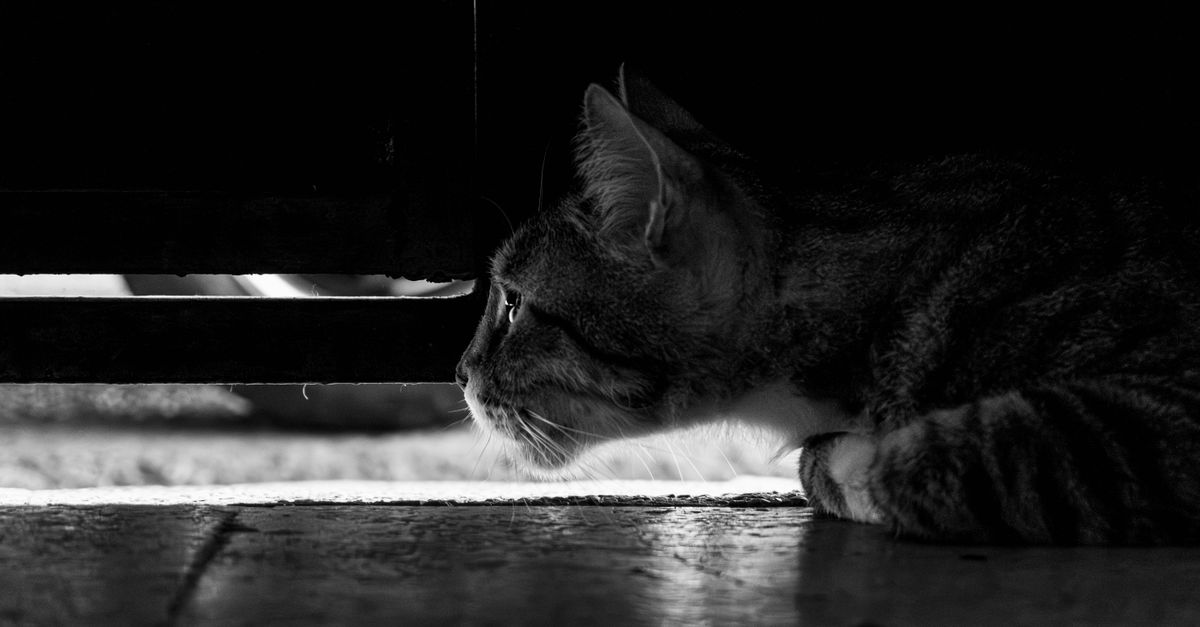
Close a door -- any door -- and your cat will immediately appear to protest. Scratching, yowling, paw-reaching under the gap -- the closed door is an existential crisis for most cats. This is not brattiness. It is deep-rooted territorial psychology.
Why Closed Doors Drive Cats Crazy
1. Territory Access
- Cats patrol their territory regularly -- it is a biological imperative
- A closed door creates an inaccessible zone within their perceived territory
- Not knowing what is happening in part of their territory creates anxiety
- Like a security guard whose camera feed goes dark -- the cat NEEDS to verify the space
2. FOMO (Fear of Missing Out)
- Cats are curious observers -- they want to know what is happening everywhere
- A closed door means something is happening that they cannot monitor
- Whether you are in the room or not, the cat wants the option to enter
3. Resource Anxiety
- Closed doors potentially cut off access to: food, water, litter box, favorite resting spots, escape routes
- Even if resources are available elsewhere, the LOSS of access to one location creates stress
- This is related to survival instinct -- trapped = vulnerable
4. Social Access
- If you are behind the closed door, the cat is separated from their attachment figure
- The cat may not want to interact -- but they want the OPTION to interact
- Choice and control are essential for cat psychological wellbeing
Solutions
- Cat doors: Interior cat flaps give access without open human-sized doors
- Accept it: If possible, leave doors open. Many cat owners simply give up on closed doors.
- Baby gates: Visual access without physical access (reduces anxiety for some cats)
- Distraction: Enrichment on the cat's side of the door (puzzle feeder, window perch)
- Consistency: If a door MUST stay closed (bathroom during sleep, nursery), be 100% consistent -- never sometimes open, sometimes closed (intermittent access creates more frustration than never)
The Bathroom Phenomenon
- Cats are especially fixated on bathroom doors
- You are vulnerable (sitting down, pants around ankles -- the cat checks on you)
- Water sounds are interesting and attract investigation
- The bathroom is a small, warm space with interesting smells and textures
- Your undivided attention is available (you are not looking at a screen)
Frequently Asked Questions
Will my cat ever accept a closed bedroom door at night?
Most cats will eventually accept it IF: 1) It is 100% consistent (never let them in some nights), 2) All needs are met on their side (food, water, litter, comfortable bed), 3) You completely ignore all scratching and yowling (ANY response resets the clock), 4) You provide a special nighttime enrichment (puzzle feeder that only appears at bedtime). Expect 1-3 weeks of protest before acceptance. The extinction burst (behavior gets WORSE before it gets better) typically peaks around days 3-5. Stay strong -- giving in on day 4 means you endured 4 days of noise for nothing.