
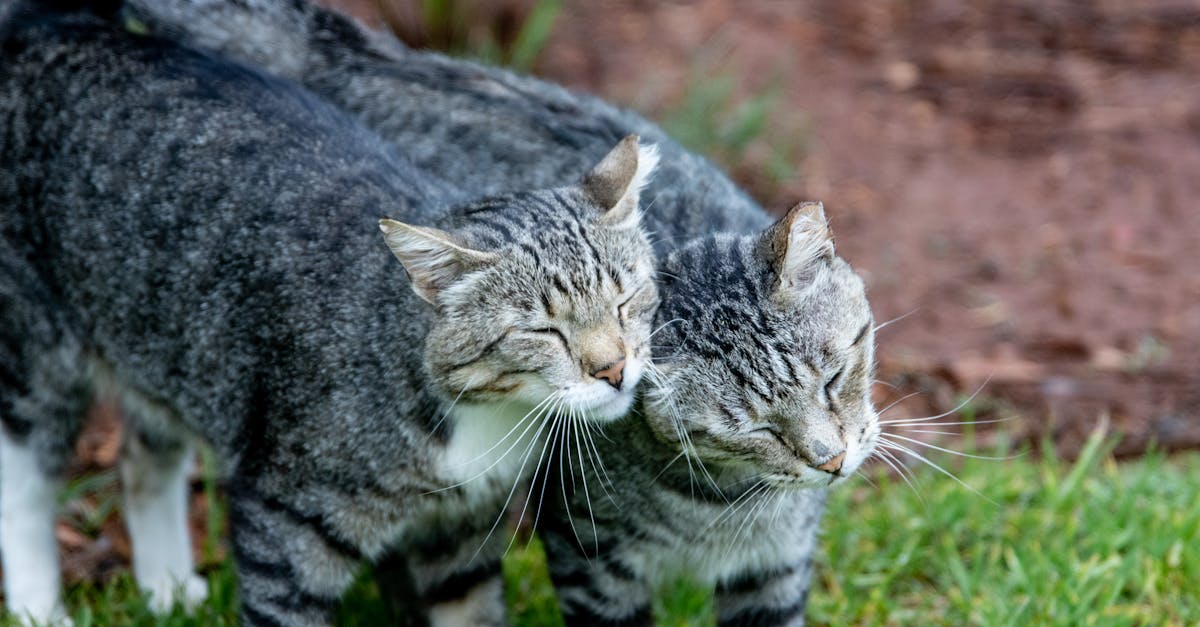
Cats are often called "solitary animals," but this is an oversimplification. Feral cats form colonies with complex social structures. Domestic cats living together develop their own social dynamics -- which can range from peaceful coexistence to chronic, hidden conflict that damages their health.
Cat Social Structure
- Cats are facultatively social -- they CAN be social but do not require it (unlike dogs)
- Feral colonies form around food sources, with related females as the core group
- Male cats are more peripherally social
- Indoor multi-cat households are FORCED social groups -- not chosen ones
- This means compatibility is not guaranteed -- it depends on individual personalities
Signs of Harmony
- Allogrooming (mutual grooming)
- Sleeping in contact or proximity
- Play behavior together
- Sharing resources without tension
- Tail-up greetings toward each other
- Nose touches
Signs of Hidden Conflict (Often Missed)
| Subtle Sign | What It Means |
|---|---|
| One cat staring at another | Intimidation, resource guarding |
| One cat blocking pathways | Controlling access to resources |
| One cat always leaving rooms when the other enters | Avoidance due to fear |
| One cat monopolizing the litter box area | Resource guarding causing the other to eliminate elsewhere |
| Time-sharing spaces (never in same room) | Managed avoidance -- tolerating, not bonding |
| Excessive grooming (one cat) | Stress response to social pressure |
The Resource Formula
One per cat plus one extra, in separate locations:
- Litter boxes: 3 cats = 4 boxes, in different rooms/floors
- Food stations: Separate feeding locations (prevents food guarding)
- Water sources: Multiple bowls/fountains in different areas
- Resting spots: Multiple beds, perches, hiding spots at different heights
- Scratching posts: Multiple, in different locations
When Multi-Cat Does Not Work
- Some cats are genuinely happier as only cats
- Chronic conflict (lasting months despite intervention) damages health
- Signs: one cat perpetually hiding, weight loss, over-grooming, urinary problems
- Options: complete separation (different floors/rooms), rehoming one cat to a single-cat home
Frequently Asked Questions
How many cats is too many?
There is no universal number -- it depends on: space available, individual cat personalities, owner resources (time, money, cleaning), and whether the cats are compatible. General guidelines: 1-2 cats per bedroom-sized room of living space. More important than number is compatibility -- 3 bonded cats in a small apartment may be happier than 2 incompatible cats in a mansion. Watch for signs of chronic stress in any cat. If one cat is perpetually stressed despite adequate resources and proper introduction, you have reached your household's capacity.