
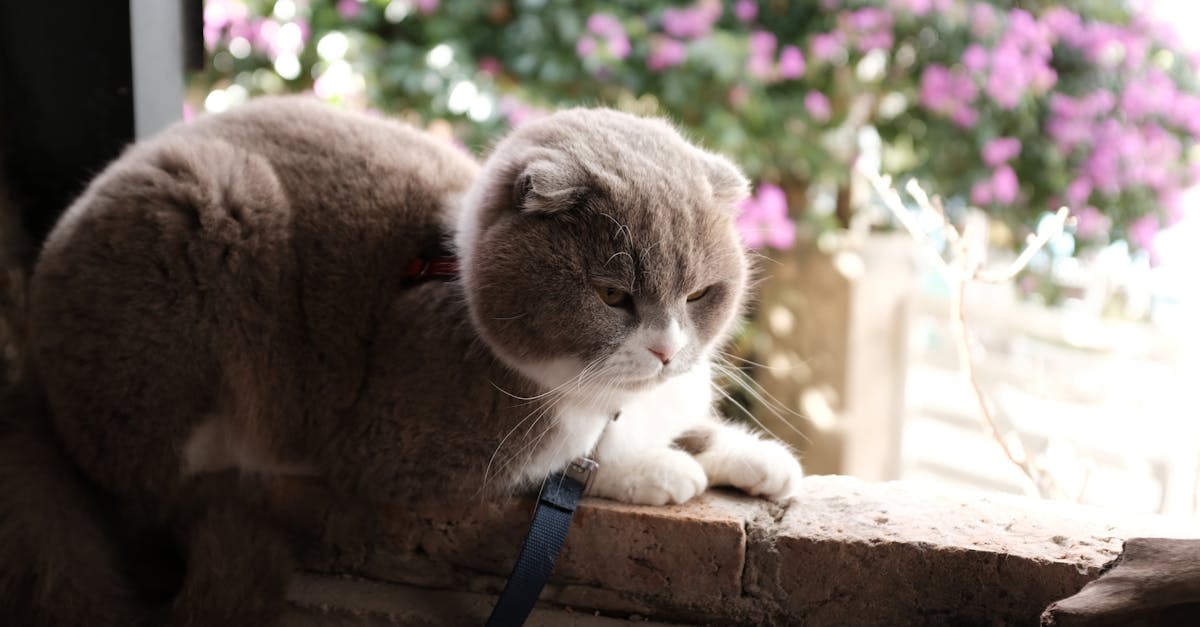
Leash walking is not just for dogs. An increasing number of cat owners are discovering that harness training provides safe outdoor enrichment for indoor cats -- satisfying their curiosity about the outside world without the risks of free-roaming. Not every cat will enjoy it, but many take to it surprisingly well.
Is Your Cat a Good Candidate?
- Good candidates: Curious, confident, food-motivated cats. Cats who stare longingly at windows/doors.
- Poor candidates: Extremely fearful cats, cats who panic when placed in harness, cats with no interest in outdoors.
- Best started young: Kittens adapt fastest, but adult cats can absolutely learn.
- Breed tendencies: Bengal, Abyssinian, Savannah, Maine Coon often take well to leash walking.
Harness Selection
- H-harness or vest/jacket harness: NOT a collar (cats can slip collars easily)
- Escape-proof: Cats are escape artists -- test fit carefully (two fingers under straps)
- Recommended: Kitty Holster, Butterfly Harness, RC Pets Adventure Kitty
- Avoid: Figure-8 harnesses (easy to escape), any harness that puts pressure on throat
Training Steps
Phase 1: Harness Introduction (1-2 Weeks)
- Leave harness near cat's food/bed (smell familiarization)
- Drape harness over cat briefly while feeding treats
- Buckle harness loosely for 30 seconds while distracting with treats. Remove.
- Gradually increase wearing time (1 min, 5 min, 10 min, 30 min)
- Many cats "freeze" or walk funny initially -- this is normal. Distract with play.
Phase 2: Leash Indoors (1 Week)
- Attach leash, let cat drag it while supervised (watch for snagging)
- Hold leash loosely -- follow the cat (you do not lead a cat, the cat leads you)
- Practice gentle leash pressure (not pulling -- just slight tension to redirect)
- Reward all calm movement on leash with treats
Phase 3: Outdoor Introduction
- Start in a quiet, enclosed area (backyard, quiet courtyard)
- Let cat sit at the door threshold, observing. Do not rush them out.
- Follow the cat's lead -- they explore at their pace
- First outdoor sessions: 5-10 minutes maximum
- Always let the cat retreat indoors when they want to
Safety Rules
- Never leave a harnessed cat unattended outdoors
- Never tie a leash to a fixed object (cat can strangle if panicked)
- Avoid areas with dogs, loud traffic, or unpredictable stimuli initially
- Carry cat home if they freeze in fear (do not drag)
- Keep vaccinations current and use flea/tick prevention
Frequently Asked Questions
My cat freezes and flops over when I put the harness on. Is this normal?
Yes -- very common initially. The harness triggers a "clipnosis" response similar to being scruffed. The sensation of pressure around the torso makes some cats go limp or refuse to move. Solutions: use a thinner harness initially, distract with high-value treats immediately after putting it on, initiate play (wand toy) to override the freeze response. Most cats overcome the freeze within 3-5 sessions. If a cat consistently panics (not just freezes) in a harness after multiple attempts, leash walking may not be appropriate for that individual.