
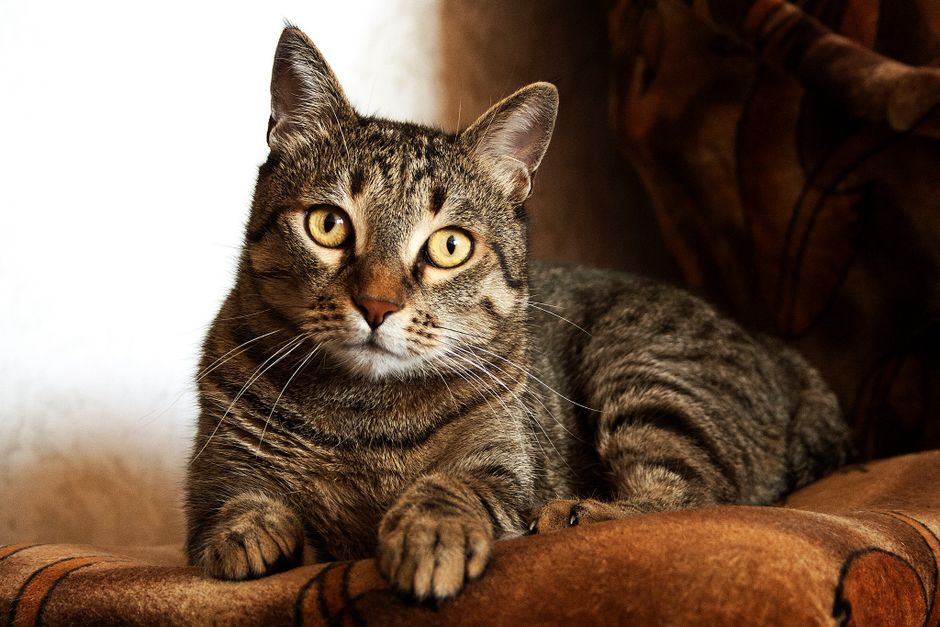
Are you dreaming of having a feline friend but worried about sneezing and itchy eyes? You are not alone. For millions of allergy sufferers, finding a cat that doesn't trigger symptoms seems impossible. However, certain hypoallergenic cat breeds produce fewer allergens, making them a great option for sensitive owners. In this article, we explore ten breeds known for their low-allergen qualities, along with practical tips to minimize reactions. Whether you are a first-time cat owner or an experienced enthusiast, these allergy-friendly cats might be your perfect match.
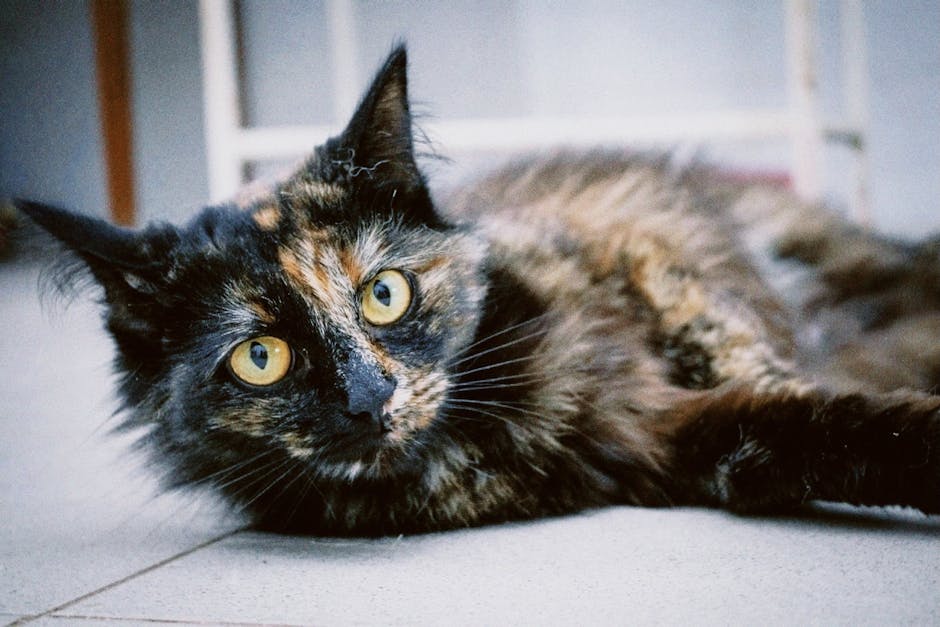
1. Siberian Cat: Is It Truly Hypoallergenic?
The Siberian cat is often called a hypoallergenic breed because it produces lower levels of Fel d 1—the primary protein responsible for cat allergies. Originating from Russia, this breed has a thick, triple-layered coat that surprisingly sheds less dander than many short-haired cats.
Many Siberian breeders even offer allergy-testing kits so potential owners can check their sensitivity before committing. While no cat is completely allergen-free, the Siberian's unique protein profile makes it a top choice. Additionally, their affectionate and playful nature adds to their appeal. If you are looking for a large, dog-like cat that bonds closely with family, the Siberian is worth considering.

2. Balinese: Is This Long-Haired Cat Allergy-Friendly?
The Balinese, a long-haired relative of the Siamese, surprises many with its low-allergen reputation. Despite its luxurious coat, the Balinese produces less Fel d 1 than the average cat.
This breed is also known for being highly vocal and intelligent, forming strong attachments to their humans. Grooming needs are moderate—weekly brushing helps remove loose hair and reduce dander. Furthermore, because they lack an undercoat, their fur is less prone to trapping allergens. For allergy sufferers who adore the look of a long-haired cat, the Balinese offers a beautiful compromise.
3. Sphynx: Does Being Hairless Make It Hypoallergenic?
The Sphynx is perhaps the most famous hypoallergenic cat breed due to its lack of fur. However, “hypoallergenic” is a relative term. Allergens are found in cat saliva, skin oils, and dander, not just fur. So while the Sphynx doesn’t shed, it still requires regular bathing to remove oily buildup that can contain allergens.
Owners often report fewer allergic reactions around Sphynx cats, especially those who are diligent about wiping them down weekly. Moreover, these cats are extremely social and crave attention. If you can commit to their grooming needs and warm environment (they get cold easily), the Sphynx makes a fantastic, low-dander companion.
4. Cornish Rex: Is Its Short Coat Better for Allergies?
The Cornish Rex has a distinctive wavy, short coat that lacks guard hairs. Because of this, they shed less and produce less dander compared to other breeds. Their coat is velvety soft and requires minimal grooming—a simple weekly wipe-down is often enough.
These active, playful cats are known for their dog-like behavior, including fetching and following owners around. However, they do produce some Fel d 1, so individual reactions vary. Spending time with a Cornish Rex before adoption is recommended. Additionally, their high energy levels make them great for families who can provide plenty of interactive play.
5. Devon Rex: Does Its Unique Fur Reduce Allergens?
Similar to the Cornish Rex, the Devon Rex has a fine, wavy coat that is often described as similar to suede. This breed also has minimal shedding, which helps keep airborne allergens at bay. Their large ears and pixie-like face give them an endearing appearance.
The Devon Rex is highly sociable and thrives on human interaction. They are known to be lap cats who will follow you from room to room. Yet, because their skin can be oily, regular bathing or wiping is necessary to control allergen accumulation. For those who can handle a little extra care, the Devon Rex offers a loving, hypoallergenic option.
6. Oriental Shorthair: Is It a Good Choice for Allergy Sufferers?
The Oriental Shorthair, cousin to the Siamese, is another breed that tends to produce fewer allergens. Their short, sleek coat requires very little grooming, and they shed less than many other short-haired cats.
These cats are extremely vocal and intelligent, often demanding attention. They enjoy interactive toys and puzzles. Many Oriental Shorthair owners report fewer allergy symptoms, but it’s still important to spend time with the breed first. Furthermore, their slender build and large ears give them a striking appearance that appeals to modern cat lovers.
7. Russian Blue: Why Is It Often Recommended for Allergies?
The Russian Blue is frequently listed among hypoallergenic cat breeds due to its dense, double coat that traps dander close to the skin. Their short, plush fur produces less Fel d 1 than many other cats. Additionally, they are known for being gentle, reserved, and loyal.
These cats can be shy with strangers but form strong bonds with their owners. They have a serene, quiet nature that suits calm households. Because they require minimal grooming and their coat naturally repels dirt, Russian Blues are low-maintenance. Allergy sufferers often find them a safe bet, but individual sensitivities vary.
8. Bengal: Are Its Exotic Looks Compatible with Low Allergens?
Bengal cats have a stunning wild appearance with a short, sleek coat that sheds moderately. Many breeders claim Bengals produce lower levels of Fel d 1, though scientific evidence is mixed. Their coat requires little grooming, and because it lacks an undercoat, dander is reduced.
Bengals are highly energetic, curious, and love to climb. They are not for everyone—they need plenty of stimulation and space. For active allergy sufferers who can provide an adventurous environment, the Bengal can be a rewarding, relatively low-allergen companion. However, spend time with one to test your personal reaction.
9. Javanese: What Makes It a Strong Candidate for Allergy Sufferers?
The Javanese is closely related to the Balinese and Siamese, and it shares similar hypoallergenic traits. They have a single-layer coat that sheds very little, reducing the spread of allergens.
These cats are affectionate, intelligent, and talkative. They enjoy interactive play and can learn tricks. Weekly brushing is recommended to keep their coat healthy and remove loose hair. Many owners say the Javanese causes fewer sneezes, making it a great option for families with mild to moderate allergies.
10. LaPerm: Can Its Curly Coat Minimize Allergic Reactions?
The LaPerm is known for its curly or wavy coat, which is soft and tends to shed less than straight-haired cats. Interestingly, the curls trap dander, preventing it from becoming airborne.
These cats are gentle, people-oriented, and often described as “velcro” cats because they stick close to their owners. Grooming needs are simple—a weekly brushing or combing. For those with allergies, the LaPerm’s unique coat structure offers a promising alternative. As always, individual results may vary, so a trial visit is advisable.
Conclusion: Which Hypoallergenic Cat Breed Is Best for You?
While no cat is 100% hypoallergenic, the breeds listed above are consistently reported to cause fewer allergic reactions. The Siberian, Balinese, Sphynx, Cornish Rex, Devon Rex, Oriental Shorthair, Russian Blue, Bengal, Javanese, and LaPerm each offer distinct personalities and care needs. Before adopting, spend time with the breed, consult with breeders, and consider allergy testing. With careful selection and proper home management (HEPA filters, regular cleaning, and hand-washing after petting), you can enjoy a feline companion without constant discomfort.
Here’s a quick comparison of key traits:
- Siberian: Low Fel d 1, thick coat, affectionate
- Balinese: Low allergens, long but single-layer coat
- Sphynx: Hairless, needs weekly baths
- Cornish/Devon Rex: Minimal shedding, wavy coat
- Oriental Shorthair: Very low grooming needs
- Russian Blue: Dense coat traps dander
- Bengal: Low allergen claims, high energy
- Javanese: Single-layer coat, low shedding
- LaPerm: Curly coat reduces airborne dander
Remember, spending daily time with your chosen breed and maintaining a clean environment can make all the difference. Welcome to the wonderful world of hypoallergenic cats!