
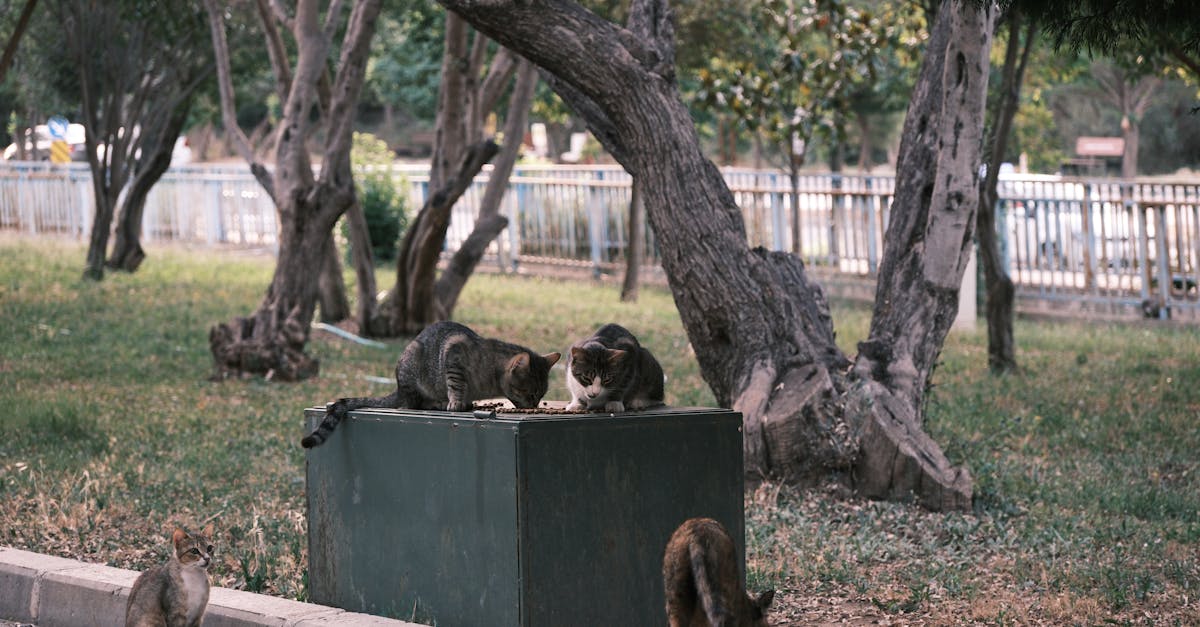
Not all outdoor cats are the same. The distinction between feral and stray cats is crucial because it determines the appropriate intervention -- and whether socialization to humans is realistic or even desirable.
Table of Contents
Feral vs Stray: Key Differences
| Feature | Feral Cat | Stray Cat |
|---|---|---|
| Definition | Born and raised without human contact | Was once socialized to humans, now lost/abandoned |
| Human interaction | Avoids humans completely, will not approach | May approach cautiously, may be friendly |
| Eye contact | Avoids direct eye contact with humans | May make eye contact, slow blink |
| Body language near humans | Low crouch, ready to flee, flat ears | May show tail-up greeting, curiosity |
| Vocalization | Silent around humans | May meow at humans (learned behavior) |
| Time outdoors | Entire life | Variable -- recently lost to years |
| Adoptability | Generally not (adult ferals) | Yes -- can readjust to indoor life |
Can Feral Cats Be Tamed?
- Feral kittens (under 8 weeks): YES -- socialization is very possible and often successful
- Feral kittens (8-16 weeks): Possible but requires more time and patience
- Adult feral cats: Generally NOT appropriate for indoor pet life. They are wild animals, not domesticated pets who lost their home. Forcing domestication causes extreme chronic stress.
- Exception: Some adult "semi-feral" cats (who had minimal human contact as kittens) can bond with one person over months/years but remain fearful of others
TNR: Trap-Neuter-Return
- The gold standard for managing feral cat colonies
- Trap: Humane box traps baited with food
- Neuter: Spay/neuter under anesthesia at clinic (ear tip marks them as "done")
- Return: Release back to their territory after recovery
- Why not shelters? Adult feral cats in shelters are unadoptable and suffer extreme stress in captivity. Euthanasia rates for feral cats in shelters approach 100%.
- TNR stabilizes and gradually reduces colony size humanely
Helping Stray Cats
- Assess behavior: is it feral or stray? (use the chart above)
- If stray (approaches, meows, friendly): attempt to find owner (check for microchip at vet), then foster or rehome
- If feral adult: TNR is the most humane option. Do not attempt to bring indoors.
- If feral kitten: trap and socialize if under 8-10 weeks. Best outcomes from early intervention.
Frequently Asked Questions
There is a feral cat colony near my home. What should I do?
Contact a local TNR organization -- they will loan traps, coordinate spay/neuter (often free or low-cost), and return the cats. Managed colonies with TNR see population decline over time as no new kittens are born. Providing food and shelter for a managed colony is humane and prevents the cats from becoming a nuisance (less roaming when needs are met locally). Do NOT call animal control expecting removal -- in most areas, feral cats are simply euthanized, which is both inhumane and ineffective (new cats fill the vacuum).