
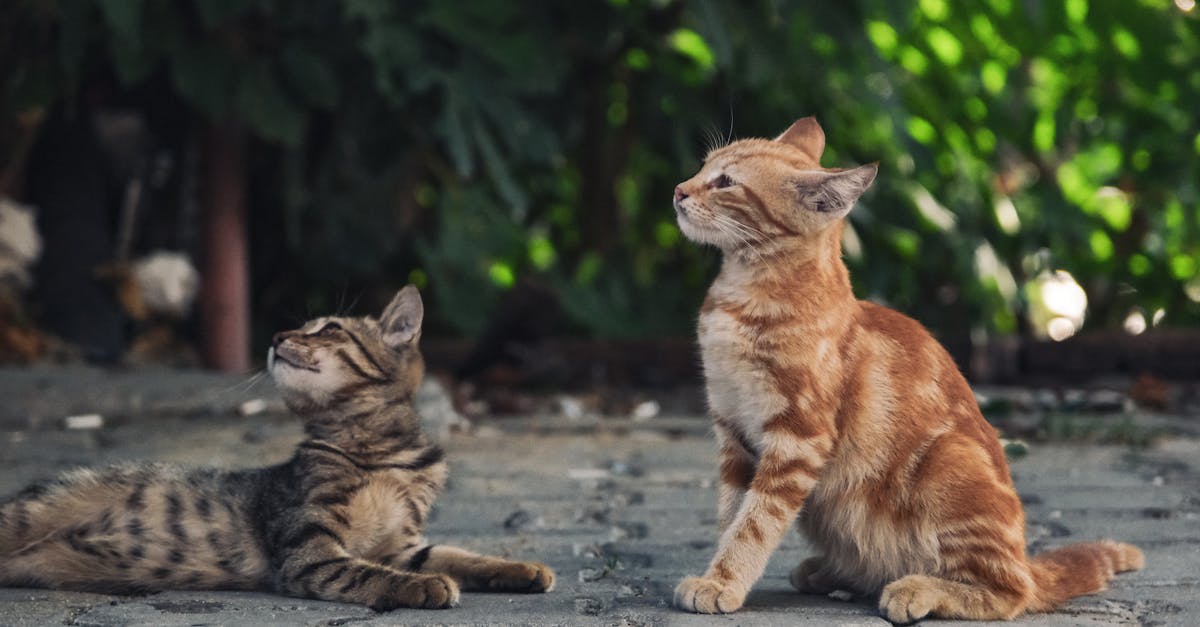
When one cat grooms another, it looks like pure affection -- and it partially is. But allogrooming (social grooming between cats) is more complex than it appears, serving functions of bonding, hierarchy establishment, scent mixing, and practical hygiene in areas a cat cannot reach alone.
Why Cats Groom Each Other
- Social bonding: Strengthens the relationship between affiliated cats
- Colony scent creation: Mixing scents creates a shared "group smell" that identifies family members
- Hierarchy display: Higher-ranking cats tend to groom lower-ranking cats more often (not the reverse)
- Practical hygiene: Head and neck -- areas a cat cannot effectively groom alone
- Stress reduction: Grooming releases endorphins in both groomer and recipient
Allogrooming Research Findings
- Higher-ranking cats initiate grooming more often (dominance display)
- Grooming is most focused on the head and neck area (unreachable for self-grooming)
- Allogrooming sometimes leads to aggression (groomer bites or swats -- possibly overstimulation or dominance assertion)
- Not all cat pairs allogroom -- only bonded/affiliated individuals
- Allogrooming is more common between cats who arrived in the household around the same time
Signs of True Cat Friendship
| Behavior | Meaning |
|---|---|
| Mutual grooming | Strong social bond, trust |
| Sleeping touching/near each other | Trust, comfort in vulnerability |
| Tail-up greeting toward each other | Friendly intention |
| Play without aggression | Comfortable social relationship |
| Nose touching | Friendly greeting (exchanging scent information) |
| Shared resting spots | Territory sharing -- significant trust indicator |
When Grooming Turns to Aggression
- One cat grooms the other, then suddenly bites or swats
- This is common and not necessarily concerning
- Possible reasons: overstimulation threshold reached, asserting dominance, redirected energy
- If it escalates to real fighting: separate calmly, provide more individual space
Frequently Asked Questions
My two cats never groom each other. Does that mean they do not get along?
Not necessarily. Allogrooming indicates a bonded relationship, but its absence does not prove conflict. Many cats who live peacefully together simply are not "grooming friends" -- they may show affection through proximity (sleeping near each other), shared play, or nose touches instead. As long as there is no tension (staring, blocking, hissing, fighting), the relationship is likely fine. Cats have individual preferences for social interaction style, just like humans. Some are huggers; some are not.