
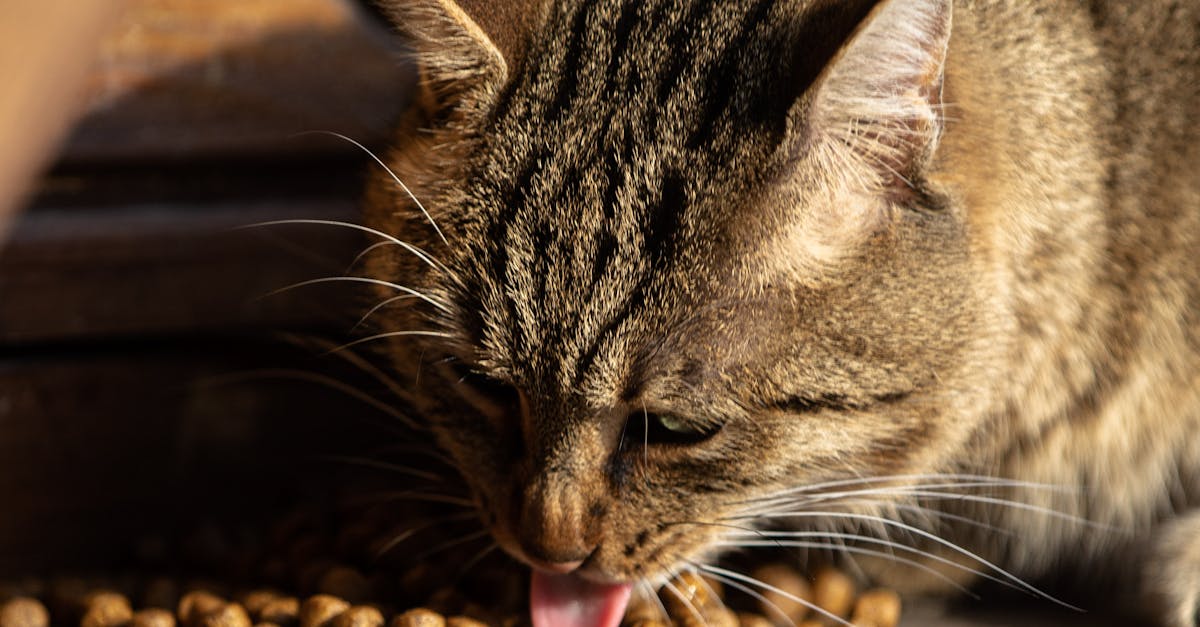
Feline obesity is an epidemic -- affecting over 60% of domestic cats in developed countries. It is also the most preventable health condition in cats. Obesity shortens lifespan by 2-5 years and dramatically increases risk of diabetes (4x), arthritis (3x), urinary disease (2x), and liver disease. Prevention and treatment through diet management is straightforward but requires owner commitment.
Body Condition Score
| Score | Description | Action |
|---|---|---|
| 1-3/9 (Underweight) | Ribs, spine visible. No fat covering. | Increase food, vet check for disease |
| 4-5/9 (Ideal) | Ribs easily felt. Waist visible from above. Minimal belly. | Maintain current diet |
| 6-7/9 (Overweight) | Ribs felt with pressure. Waist barely visible. Rounded belly. | Reduce calories 15-20% |
| 8-9/9 (Obese) | Cannot feel ribs. No waist. Large belly. Fat deposits on legs/face. | Veterinary weight loss plan |
Why Cats Get Fat
- Overfeeding: Portions too large, too many treats, free-feeding dry food
- High-carb diets: Dry food with 30-50% carbs promotes fat storage
- Inactivity: Indoor cats with no enrichment burn minimal calories
- Neutering: Metabolism decreases 20-30% after spaying/neutering (adjust food accordingly)
- Boredom eating: Cats eat out of boredom when environment lacks stimulation
Safe Weight Loss Plan
- Rate: 1-2% body weight per week (never faster -- hepatic lipidosis risk)
- Calories: Calculate target: RER x 0.8 = weight loss calories
- Switch to wet food: More filling per calorie
- Measure everything: Kitchen scale, not measuring cup
- Meal feed: 2-3 measured meals per day, no free-feeding
- Increase protein: Preserves muscle during weight loss
- Reduce carbs: Low-carb diets show better feline weight loss outcomes
Exercise and Enrichment
- 15-20 minutes active play daily: Wand toys, laser pointer (end with a tangible reward), feather toys
- Puzzle feeders: Make cats work for food
- Vertical space: Cat trees, shelves, climbing walls
- Food hunting: Hide small portions around the house
- Cat wheel: Some cats love running wheels (especially active breeds)
Health Consequences of Obesity
- Type 2 Diabetes: 4x higher risk. Many diabetic cats achieve remission with weight loss alone.
- Arthritis: Every pound of excess weight accelerates joint degradation
- Hepatic Lipidosis: Fatty liver disease -- triggered by rapid weight loss or not eating
- Urinary Disease: Overweight cats have 2x the risk of FLUTD
- Skin disease: Cannot groom properly, leading to matting and skin infections
- Shortened lifespan: Average 2-5 years shorter than healthy-weight cats
Frequently Asked Questions
Is my cat just "big-boned" or actually overweight?
While breeds like Maine Coons and British Shorthairs are naturally larger, "big-boned" is not a valid excuse for excess fat. Use the body condition score: if you cannot feel ribs with light pressure, or there is no visible waist when viewed from above, the cat is overweight regardless of breed. A healthy Maine Coon at 18 lbs looks very different from an obese domestic shorthair at 18 lbs. Your vet can assess body condition and set a target weight specific to your cat's frame size.