
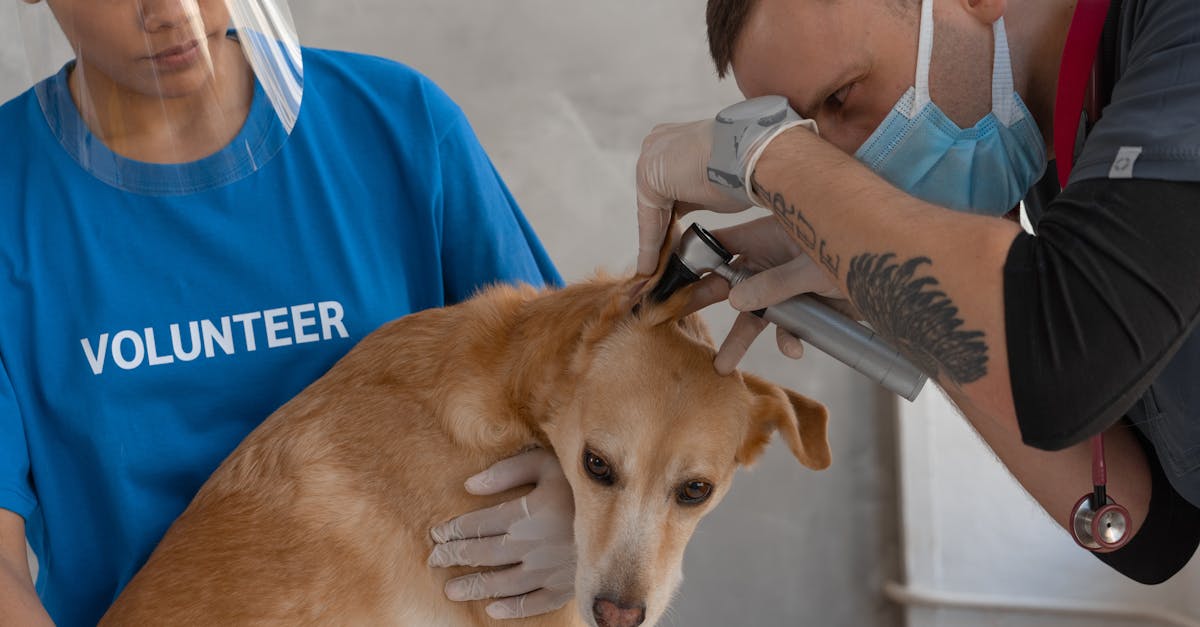
Cat ear infections are less common than in dogs but can be equally painful and problematic. Unlike dogs, cat ear infections are often secondary to another condition -- allergies, ear mites, polyps, or immune disorders. Treating the ear infection without addressing the underlying cause leads to chronic recurrence.
Types of Ear Problems
| Condition | Cause | Appearance |
|---|---|---|
| Ear mites (Otodectes) | Parasitic mites | Dark, crumbly, coffee-ground debris |
| Bacterial infection | Bacteria (secondary to other condition) | Yellow/green discharge, odor |
| Yeast infection | Malassezia yeast overgrowth | Brown, waxy discharge, musty smell |
| Allergic otitis | Food or environmental allergies | Red, inflamed, itchy ears |
| Polyps | Benign growths in ear canal | Discharge, head tilt, balance issues |
Symptoms
- Head shaking or tilting
- Scratching at ears
- Discharge (color and consistency vary by cause)
- Odor from ears
- Redness or swelling of ear flap
- Pain when ears are touched
- Balance problems or walking in circles (inner ear involvement)
Treatment
- Ear mites: Revolution, Bravecto, or prescribed ear drops. Treat all cats in household.
- Bacterial: Antibiotic ear drops (vet-prescribed based on culture)
- Yeast: Antifungal ear drops
- Allergic: Identify and manage the allergy (elimination diet, allergy testing)
- Polyps: Surgical removal
Home Ear Cleaning
- Use veterinary ear cleaner only (not water, not hydrogen peroxide)
- Fill ear canal with cleaner, massage base of ear for 30 seconds
- Let cat shake head (messy but effective)
- Wipe visible debris with cotton ball (never use Q-tips in the ear canal)
- Frequency: only as needed or as directed by vet. Over-cleaning irritates ears.
Frequently Asked Questions
How can I tell the difference between ear mites and an ear infection?
Ear mites produce characteristic dark, dry, crumbly debris that looks like coffee grounds -- and cause intense itching. Bacterial infections produce moist, colored (yellow/green) discharge with odor. Yeast infections produce brown, waxy discharge with a musty smell. However, ear mites can lead to secondary bacterial or yeast infections, making the picture confusing. A vet can examine ear debris under a microscope to definitively identify the cause in minutes.