
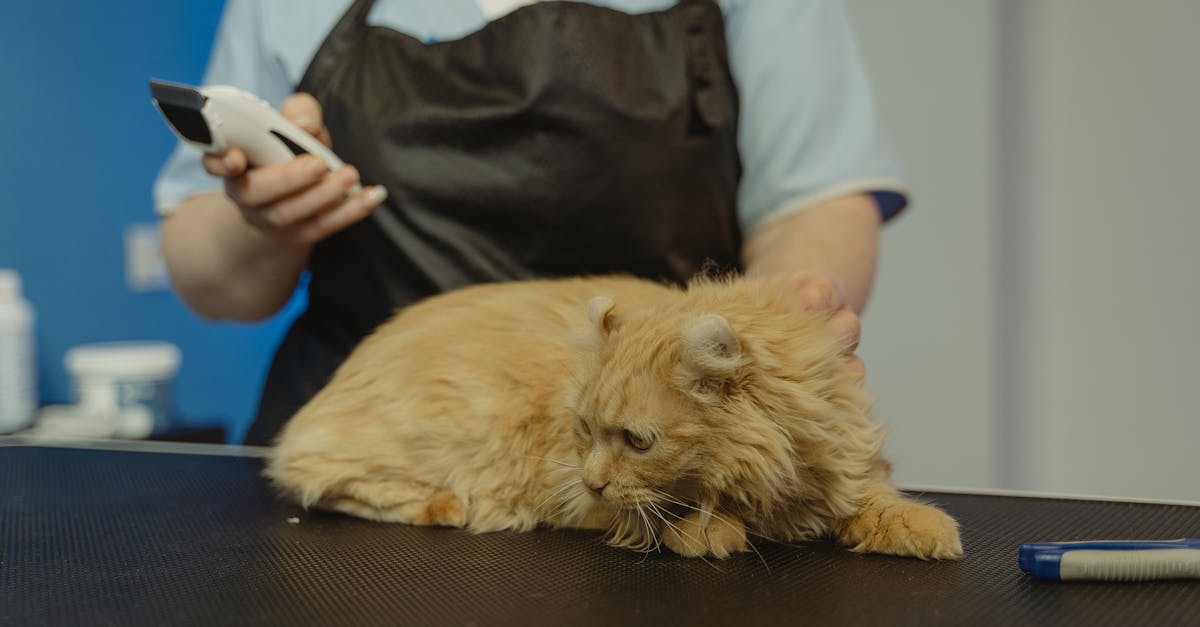
Grooming is more than keeping your cat looking pretty -- it is a health essential. Regular grooming prevents matting (which causes skin infections), reduces hairballs, allows early detection of lumps and skin problems, and strengthens the bond between you and your cat.
Table of Contents
Brushing
| Coat Type | Frequency | Best Tool |
|---|---|---|
| Shorthair | Weekly | Rubber curry brush, fine-tooth comb |
| Medium hair | 2-3x weekly | Slicker brush, metal comb |
| Longhair (Persian, Maine Coon) | Daily | Wide-tooth comb, then fine comb, then slicker |
| Hairless (Sphynx) | Weekly bath instead of brushing | Gentle wipe with damp cloth between baths |
Nail Trimming
- Frequency: Every 2-4 weeks
- Tools: Cat-specific nail clippers (scissor or guillotine style)
- Technique: Trim only the clear/white tip. Avoid the pink quick (blood supply).
- If you hit the quick: Apply styptic powder. Bleeding stops in 1-2 minutes.
- Tips: Start young, handle paws regularly, trim 1-2 nails at a time if cat is nervous, reward with treats.
Bathing
- Most cats: Rarely need baths. Self-grooming is sufficient.
- When to bathe: Got into something dirty/toxic, skin condition requiring medicated shampoo, Sphynx (weekly), obese/arthritic cats who cannot groom.
- How: Lukewarm water, cat-specific shampoo, gentle technique, dry thoroughly.
- Frequency for Sphynx: Weekly to remove oil buildup.
Ear Cleaning
- Check ears weekly during grooming
- Clean only if visible debris is present
- Use veterinary ear cleaner and cotton ball
- Never insert anything into the ear canal
When Grooming Reveals Health Problems
- Lumps or bumps: May be tumors, abscesses, or cysts
- Skin changes: Redness, scabs, flaking, bald patches
- Parasites: Flea dirt, ticks, ear mite debris
- Matting: Painful, can hide skin infections underneath
- Overgrown nails: Can curl into paw pads causing infection
- Dental issues: Bad breath noticed during face grooming
Frequently Asked Questions
My cat hates being brushed -- what can I do?
Start with very short sessions (30 seconds) using a gentle tool (rubber curry brush). Brush during relaxed moments, not when the cat is playing or eating. Pair with treats -- brush stroke, treat, brush stroke, treat. Gradually increase duration over weeks. Some cats prefer specific tools -- experiment with different brush types. For severely matted longhaired cats who resist brushing, a professional groomer or veterinary sedated grooming may be necessary.