
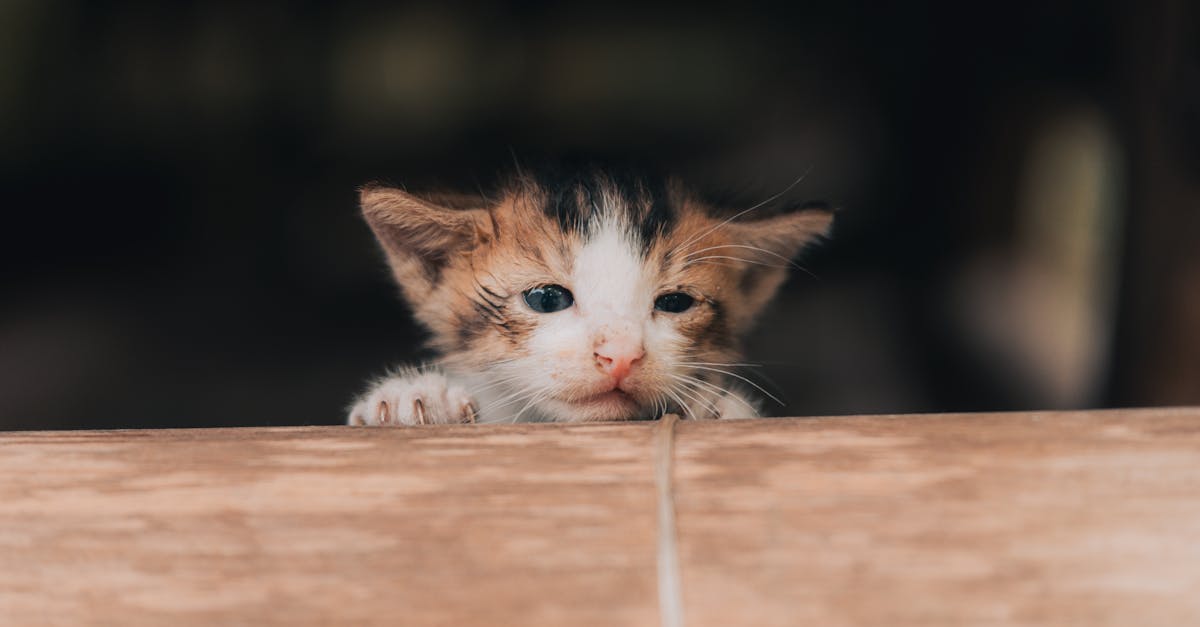
The first year of a kitten's life sets the foundation for lifelong health. From vaccinations to socialization to nutrition, the decisions you make during this critical period have lasting impact. Here is the comprehensive health timeline every kitten owner needs.
Table of Contents
First Vet Visit (Within 48 Hours of Adoption)
- Complete physical examination
- Fecal test for parasites
- FIV/FeLV testing
- First vaccinations (if age-appropriate)
- Deworming
- Discussion of spay/neuter timing
- Nutrition guidance
Health Timeline
| Age | Health Milestones |
|---|---|
| 6-8 weeks | FVRCP #1, FeLV #1, deworming, fecal test |
| 10-12 weeks | FVRCP #2, FeLV #2, deworming |
| 14-16 weeks | FVRCP #3, Rabies vaccine, fecal recheck |
| 4-5 months | Spay/neuter (current recommendation) |
| 6 months | Wellness check, recheck FIV/FeLV if previously negative |
| 12 months | Annual exam, FVRCP booster, rabies booster, transition to adult food |
Socialization Window (2-7 Weeks)
- The most critical period for behavioral development
- Expose to: different people, gentle handling, household sounds, other pets (safely)
- Positive experiences during this window = confident, well-adjusted adult cat
- Missed socialization = fearful, shy adult cat (can be improved but harder)
Common Kitten Health Issues
- Upper respiratory infection: Very common in shelter kittens. Usually viral, self-limiting.
- Intestinal parasites: Roundworms, coccidia, giardia. Treat with deworming protocol.
- Ear mites: Dark ear debris, head shaking. Treat with Revolution or prescribed drops.
- Ringworm: Fungal skin infection. Common in kittens. Contagious to humans.
- Fading kitten syndrome: Failure to thrive in very young kittens (under 4 weeks). Requires intensive care.
Kitten-Proofing Health Hazards
- Remove all lilies: Even pollen is fatal to cats
- Secure strings and ribbons: Linear foreign bodies are surgical emergencies
- Hide electrical cords: Chewing causes burns and electrocution
- Remove small objects: Rubber bands, hair ties, small toys -- choking and obstruction risk
- Secure windows: Kittens fall from windows (high-rise syndrome)
Frequently Asked Questions
How many vet visits does a kitten need in the first year?
Minimum 4-5 visits: initial exam, two booster vaccine visits, spay/neuter, and one-year wellness exam. More if health issues arise. Budget approximately $500-1,000 for first-year veterinary costs (exams, vaccines, spay/neuter, deworming, testing). Pet insurance purchased early (before pre-existing conditions develop) can offset unexpected costs. The first year is the most vet-intensive year of a cat's life.