
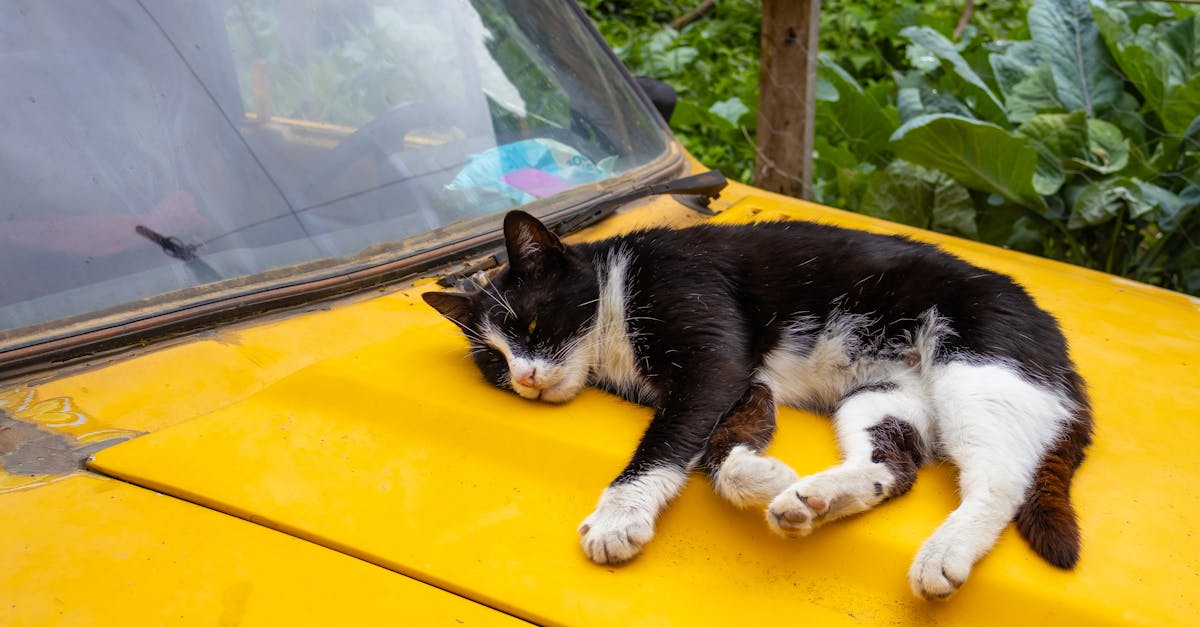
Cats are creatures of territory and routine -- two things that travel destroys. But sometimes travel with your cat is necessary (moving, vacations, emergencies) or desired (adventure cats). With proper preparation, most cats can travel safely, if not enthusiastically.
Car Travel
Preparation
- Carrier training (start weeks in advance -- see carrier training guide)
- Short practice drives (around the block, then longer)
- Gabapentin from vet (2 hours before travel -- reduces anxiety significantly)
- Feliway spray in carrier 15 minutes before departure
- Familiar bedding inside carrier (smells like home)
During the Drive
- Secure the carrier: Seatbelt through handle or on floor behind front seat
- Never let cat loose in car: Dangerous for cat and driver
- Temperature: Keep car cool (cats overheat easily). Never leave in parked car.
- Water: Offer at rest stops (most cats will not drink while moving)
- Litter: For trips over 3 hours, offer a small portable litter box at stops
- No feeding 4-6 hours before travel: Reduces motion sickness
Air Travel
| Option | Pros | Cons |
|---|---|---|
| In-cabin | Cat stays with you, climate controlled, you can monitor | Small carrier required, airline fees ($75-200), limited spots |
| Cargo hold | Larger carrier allowed, no cabin restrictions | Stressful, temperature/pressure concerns, rare but real risk of injury/death |
- Always choose in-cabin when possible
- Carrier must fit under seat (typically 17x11x9 inches max)
- Book early -- most airlines limit 1-2 pets per cabin section
- Direct flights only (reduces handling and temperature exposure)
- Health certificate required (within 10 days of travel, from your vet)
Hotel Stays
- Book pet-friendly hotels in advance (confirm cat-specific policies -- some allow dogs only)
- Set up one room as cat's safe zone: litter box in bathroom, food/water, familiar items
- Do NOT let the cat roam the entire hotel room immediately -- one small area first
- "Do Not Disturb" sign to prevent housekeeping from opening the door
- Check for escape routes: open windows, gaps behind furniture, under doors
When NOT to Travel with Your Cat
- Short vacations (1-2 weeks): pet sitter or boarding is less stressful than travel
- Extremely anxious cats who do not respond to medication
- Cats with medical conditions requiring stability
- Brachycephalic breeds (Persians, Himalayans) in cargo -- breathing risks
Frequently Asked Questions
Is it better to leave my cat home with a sitter or bring them on vacation?
For most cats and most trips: leaving them home with a pet sitter is significantly less stressful than travel. Cats are territorial -- they feel safest in their own environment. A reliable pet sitter who visits 1-2x daily to feed, clean litter, and provide interaction is ideal. Boarding is second-best. Travel is appropriate for: moves (permanent relocation), extended trips where a sitter is not available, or adventure cats who genuinely enjoy travel (rare). When in doubt: the cat is happier at home.