
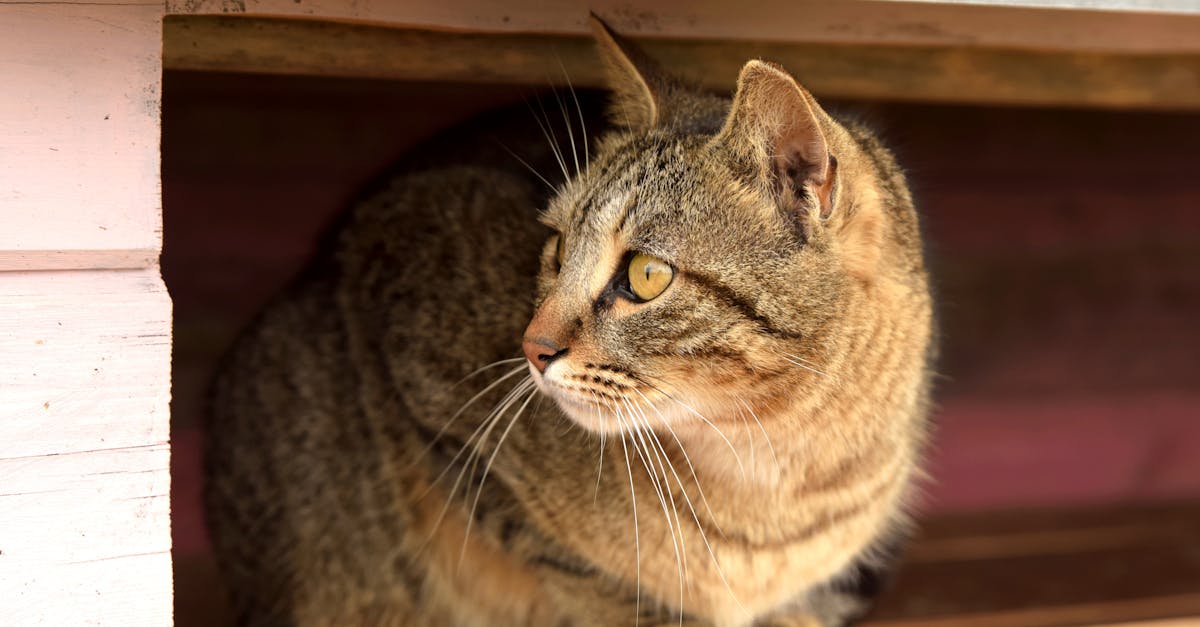
Choosing a cat based solely on appearance -- the cutest face, the fluffiest coat -- is one of the most common adoption mistakes. A beautiful cat with incompatible energy, social needs, or maintenance requirements leads to frustration and, sometimes, return to the shelter. Matching personality to lifestyle creates lasting bonds.
Questions to Ask Yourself First
- Activity level: Do you want a playful, energetic cat or a calm lap cat?
- Time availability: How many hours daily can you dedicate to play and interaction?
- Household: Other pets? Children? Frequent guests? Quiet home?
- Space: Small apartment or large house?
- Grooming willingness: Daily brushing acceptable or prefer low-maintenance?
- Experience: First cat or experienced cat owner?
- Budget: Purebred costs, medical needs, food quality?
Matching Guide
| Your Lifestyle | Best Match |
|---|---|
| Busy professional, long work hours | Independent adult cat (3-7 years), or bonded pair for company |
| Work from home, lots of time | Social, interactive breed or kitten that thrives on attention |
| Family with young children | Confident, patient adult cat with known child-friendly history |
| Senior/quiet household | Calm senior cat (10+) -- often overlooked but perfect companions |
| Active, adventure-seeking | Bengal, Abyssinian, or confident cat amenable to harness training |
| Small apartment | Lower-energy adult cat who does not need large spaces to run |
| Already have a cat | Cat with known cat-social history, opposite sex often integrates easier |
Kitten vs Adult
- Kitten pros: Bonds from young age, adaptable, entertaining, long life ahead
- Kitten cons: Enormous energy, destructive phase, personality unknown until adult, needs more supervision
- Adult pros: Personality is known, calmer, often already litter-trained, less supervision needed
- Adult cons: May have unknown history, may take longer to bond, potential pre-existing health issues
- Senior pros: Calm, grateful, personality fully established, lower energy needs
- Senior cons: Higher medical costs likely, shorter remaining lifespan
At the Shelter
- Ask staff about personality -- they know each cat's behavior in and out of the cage
- Cats in cages are often stressed and may not show their true personality
- Ask about: behavior with other cats, reaction to handling, energy level, known history
- Consider overlooked cats: black cats, seniors, shy cats, FIV+ cats -- they make wonderful pets
- Visit more than once if possible -- cats behave differently on different days
Frequently Asked Questions
Should I adopt one cat or two?
Two cats are often LESS work than one -- they entertain each other, provide social companionship, and are less likely to develop boredom-related behavior problems. This is especially true for kittens (a single kitten is a destructive tornado; two kittens tire each other out). Bonded pairs from shelters are ideal. However, if you have limited space, budget constraints, or are unsure about multi-cat management, a single well-matched adult cat is perfectly fine -- especially if you provide adequate enrichment and daily interaction.