
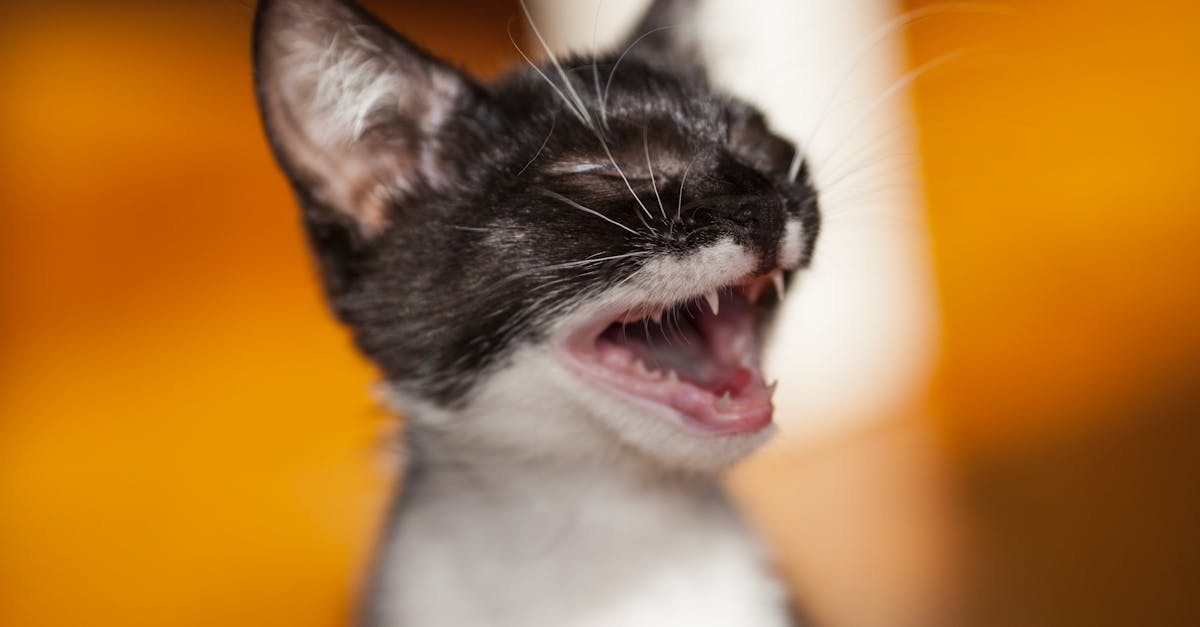
Here is a fascinating fact: adult cats rarely meow at each other -- meowing is a behavior cats developed specifically to communicate with humans. They learned that vocalizing gets our attention. When your cat meows excessively, they are trying to tell you something -- the challenge is decoding what.
Why Cats Meow
| Reason | Sound | Context |
|---|---|---|
| Greeting | Short, chirpy meow | When you come home or enter a room |
| Attention-seeking | Persistent, repetitive meow | When ignored, wants play/petting |
| Hunger | Insistent, escalating meow | Near food bowl, at feeding time |
| Complaint | Low-pitched, drawn-out meow | Closed doors, empty bowl, dirty litter box |
| Pain/discomfort | Unusual pitch, yowling | When touched, during urination, at random |
| Cognitive dysfunction | Nighttime yowling, disoriented crying | Senior cats, at night, staring at walls |
| Hyperthyroidism | Increased vocalization + restlessness | Senior cats, with weight loss and increased appetite |
| Mating | Loud yowling/caterwauling | Intact females in heat, intact males |
Medical Causes (Rule Out First)
- Hyperthyroidism: Overactive thyroid causes restlessness and vocalization
- Pain: Arthritis, dental disease, urinary problems
- Cognitive dysfunction: Confusion causes nighttime crying in senior cats
- Deafness: Deaf cats cannot hear themselves, so they meow louder
- High blood pressure: Can cause disorientation and vocalization
- Any sudden increase in vocalization in a previously quiet cat warrants a vet visit
Reducing Attention-Seeking Meowing
- Do NOT respond to meowing for attention -- this rewards the behavior
- DO respond to quiet moments -- pet and interact when the cat is calm and silent
- Ensure needs are met: Regular feeding schedule, clean litter, adequate play
- Provide enrichment: Puzzle feeders, window perches, interactive toys
- Scheduled play sessions: Predictable interaction reduces demand meowing
- Be consistent: If you give in "just this once" -- you have reinforced the meowing
- Highly vocal breeds: Siamese, Oriental, Bengal, Burmese, Sphynx
- Quiet breeds: Persian, British Shorthair, Russian Blue, Chartreux
- Vocal breeds may never become "quiet" -- their chattiness is genetic and part of their charm
Breed Differences
Frequently Asked Questions
My senior cat yowls at night for no apparent reason. What is happening?
Nighttime yowling in senior cats usually indicates one of three things: 1) Cognitive Dysfunction Syndrome (cat dementia) -- the cat is disoriented and confused in the dark. 2) Hyperthyroidism -- overactive thyroid causes restlessness. 3) Pain -- arthritis or other conditions are worse at night when there are fewer distractions. Vet visit with bloodwork (T4, kidney values, blood pressure) is essential. Night lights help CDS cats. Gabapentin at bedtime can help with both pain and anxiety. Never assume nighttime yowling is "just old age" -- there is usually a treatable cause.