
Does the Maine Coon Get Along with Dogs?
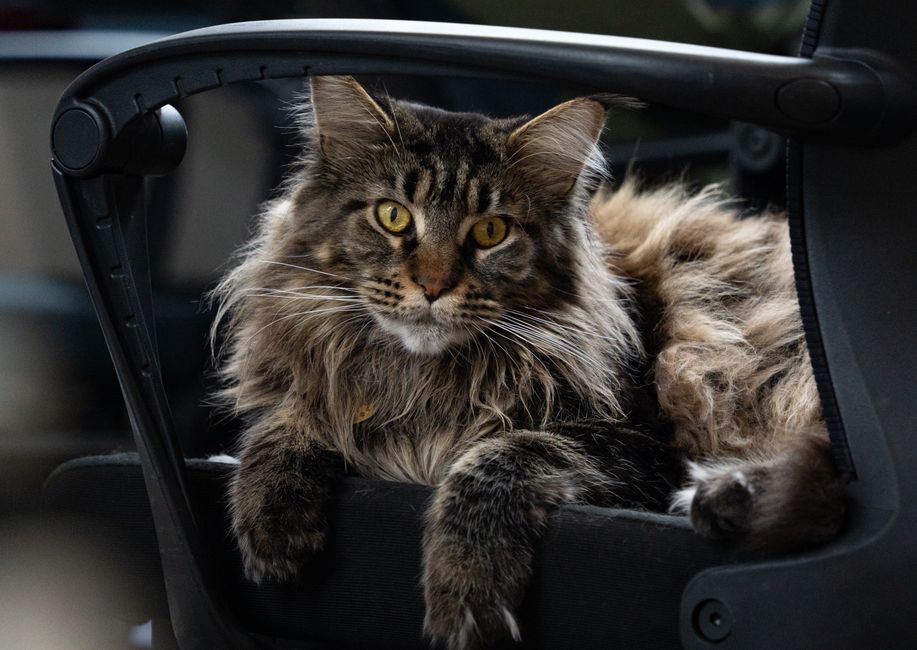
If you're searching for the best cat breeds that get along with dogs, the Maine Coon is an excellent starting point. These gentle giants are known for their dog-like personalities—they often fetch, follow you around, and are highly tolerant. Their easygoing nature makes them ideal for homes with canine companions.
Why Maine Coons and Dogs Thrive Together
Maine Coons are large, sturdy cats that rarely feel intimidated by even boisterous dogs. They are patient and playful, often matching a dog’s energy without becoming aggressive. However, proper introductions are still key.
- Size and confidence mean less fear of dogs
- Playful yet gentle demeanor
- Adaptable to various canine personalities
Furthermore, Maine Coons enjoy interactive play, which can include a friendly dog. Their sociable attitude reduces territorial issues, making them one of the top choices for multi-pet households.
Does the Ragdoll Get Along with Dogs?
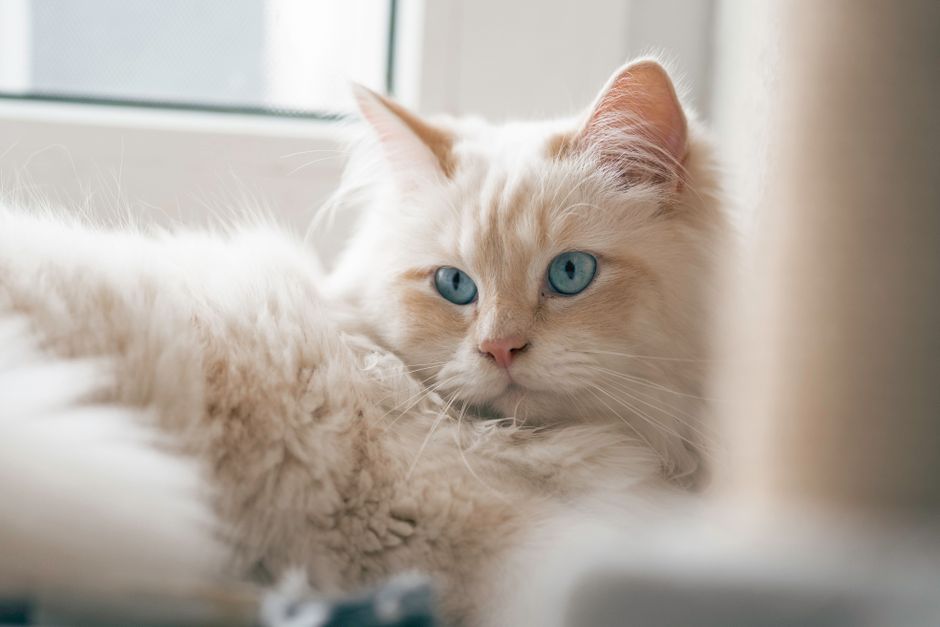
Ragdolls are famous for their floppy, relaxed nature—they go limp when held, hence the name. This calm temperament extends to their interactions with dogs. As one of the best cat breeds that get along with dogs, Ragdolls rarely hiss or scratch. Instead, they tend to greet new canine friends with curiosity.
Tips for Introducing a Ragdoll to Your Dog
Because Ragdolls are so trusting, they may not recognize danger. Supervise early encounters, especially if your dog is high-energy. Use positive reinforcement to build a bond.
- Keep initial meetings brief and calm
- Reward both pets for relaxed behavior
- Provide high perches for your Ragdoll to retreat
Additionally, Ragdolls love companionship and will often follow dogs around, seeking play or cuddles. Their non-confrontational style makes them perfect for homes with gentle, well-mannered dogs.
Does the Burmese Get Along with Dogs?
Burmese cats are social butterflies—they crave human and animal attention. This breed ranks high among the best cat breeds that get along with dogs because they actively seek out canine friends. Their playful energy matches many dog breeds.
Burmese and Dog Play Dynamics
Burmese cats are athletic and love interactive games. They often initiate play with dogs, chasing and being chased. However, their assertive nature means they should be introduced to calm dogs first.
- Match their energy with a similarly playful dog
- Provide separate feeding areas to avoid conflict
- Use puzzle toys to engage both pets
Nevertheless, Burmese cats can get jealous if they feel ignored. Ensure your dog doesn’t monopolize your attention. With balanced affection, they become inseparable buddies.
Does the Abyssinian Get Along with Dogs?
Abyssinians are active, curious cats that thrive on stimulation. They are often ranked among the best cat breeds that get along with dogs because they view dogs as playmates. Their confident demeanor means they rarely back down.
Managing an Abyssinian’s High Energy with Dogs
Abyssinians need plenty of exercise, and a dog can be a perfect playmate. However, they might get overwhelmed by overly dominant dogs. Choose a tolerant canine companion.
- Provide vertical spaces for the cat to observe
- Schedule supervised play sessions
- Use feather toys to redirect high energy
Furthermore, Abyssinians are intelligent and can learn to share territory. With gradual introductions, they form strong bonds with dogs, often sleeping together and grooming each other.
Does the Siamese Get Along with Dogs?
Siamese cats are vocal, social, and deeply attached to their humans. They are considered among the best cat breeds that get along with dogs when raised together. Their chatty nature can even “talk” to the dog, creating a unique friendship.
Siamese and Dog Compatibility Factors
Siamese cats can be possessive of their owners, so they may initially view a dog as competition. To ease this, allow the cat to approach the dog on its terms. Use treats and praise for calm interactions.
- Never force the cat into the dog's space
- Create separate safe zones for each pet
- Keep to a routine to reduce anxiety
Additionally, Siamese thrive on companionship. If your dog is friendly and not too dominant, they will likely become fast friends. Their loyalty extends to canine family members as well.
Does the Birman Get Along with Dogs?
Birmans are gentle, affectionate cats that enjoy a peaceful home. They rank highly as best cat breeds that get along with dogs due to their tolerant and non-aggressive nature. Birmans usually welcome a calm dog.
Building a Bond Between Birman and Dog
Birmans are not confrontational; they prefer to retreat rather than fight. Therefore, they do best with dogs that have a low prey drive. Introduce them slowly with scent swapping.
- Exchange bedding to familiarize scents
- Feed treats near the door during initial meetings
- Allow the Birman to set the pace
Moreover, Birmans appreciate routine and hate chaos. A well-trained, mellow dog will be welcomed as a companion. Their silky fur makes them a favorite for cuddle sessions with both humans and canine friends.
Does the Scottish Fold Get Along with Dogs?
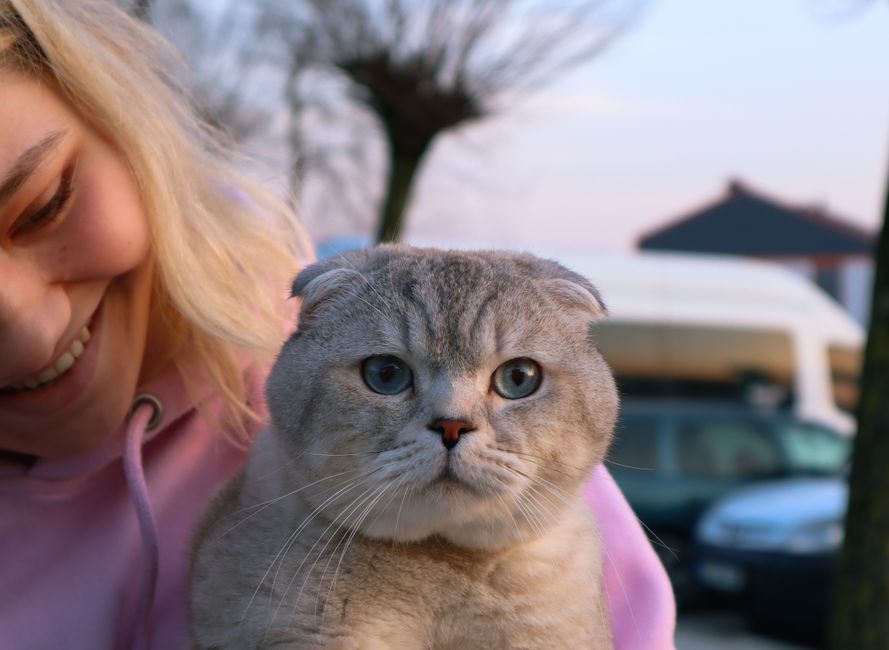
Scottish Folds are known for their unique folded ears and sweet disposition. They are among the best cat breeds that get along with dogs because they are adaptable and easygoing. Their owl-like faces charm both people and pets.
Scottish Fold and Dog Interactions
These cats are not overly demanding; they enjoy lounging and observing. They can tolerate a playful dog as long as it respects their boundaries. Train your dog not to chase.
- Provide cozy hiding spots for the cat
- Use clicker training for the dog to be calm
- Monitor for signs of stress in the Fold
Additionally, Scottish Folds bond strongly with their owners but will accept a dog as part of the family if introduced properly. Their low-energy lifestyle matches well with older, calmer dogs.
Does the Tonkinese Get Along with Dogs?
Tonkinese cats are a blend of Siamese and Burmese—active, social, and playful. They are often cited as best cat breeds that get along with dogs because they seek interaction. Their friendly demeanor makes them great for multi-pet homes.
Tonkinese and Dogs: A Playful Pair
Tonkinese cats are athletic and intelligent, often engaging in fetch and tag with dogs. They do best with a canine that matches their energy level. Avoid very shy or aggressive dogs.
- Engage both pets in joint play sessions
- Offer puzzle feeders for mental stimulation
- Ensure each pet has its own space
Furthermore, Tonkinese are people-oriented but will happily include a dog in their games. With proper introductions, they become lifelong buddies, often grooming each other.
Does the American Shorthair Get Along with Dogs?
American Shorthairs are known for their easygoing and adaptable nature. They are frequently listed among the best cat breeds that get along with dogs due to their patient and tolerant attitude. They rarely start fights.
American Shorthair Compatibility with Dogs
These cats are not demanding and are happy to coexist. They can handle a moderately active dog. However, they appreciate quiet time, so provide cat trees for escape.
- Use baby gates to create safe zones
- Feed pets separately to avoid food guarding
- Introduce gradually over several days
Additionally, American Shorthairs are independent but social; they will bond with a dog that respects their space. Their robust health and calm temperament make them a reliable choice for dog-friendly households.
Does the Himalayan Get Along with Dogs?
Himalayans are a Persian-Siamese mix with a calm and sweet disposition. They are among the best cat breeds that get along with dogs because they prefer a tranquil environment. A gentle dog can be a perfect companion.
Himalayan and Dog Relationship Tips
Himalayans are low-energy and enjoy lounging. They may be startled by a hyperactive dog, so choose a dog with a similar laid-back personality. Grooming needs are high, so keep fur clean from dog slobber.
- Brush your Himalayan regularly to reduce shedding
- Keep nails trimmed to avoid accidental scratches
- Offer a quiet room for the cat to retreat
Nevertheless, with patience, Himalayans can form deep bonds with dogs. Their affectionate nature means they will cuddle up to both you and your dog, making a warm family unit.
Conclusion
Choosing one of these best cat breeds that get along with dogs greatly increases harmony in a multi-pet home. Always prioritize proper introductions and respect each animal's personality. With time and care, your cat and dog can become the best of friends.