
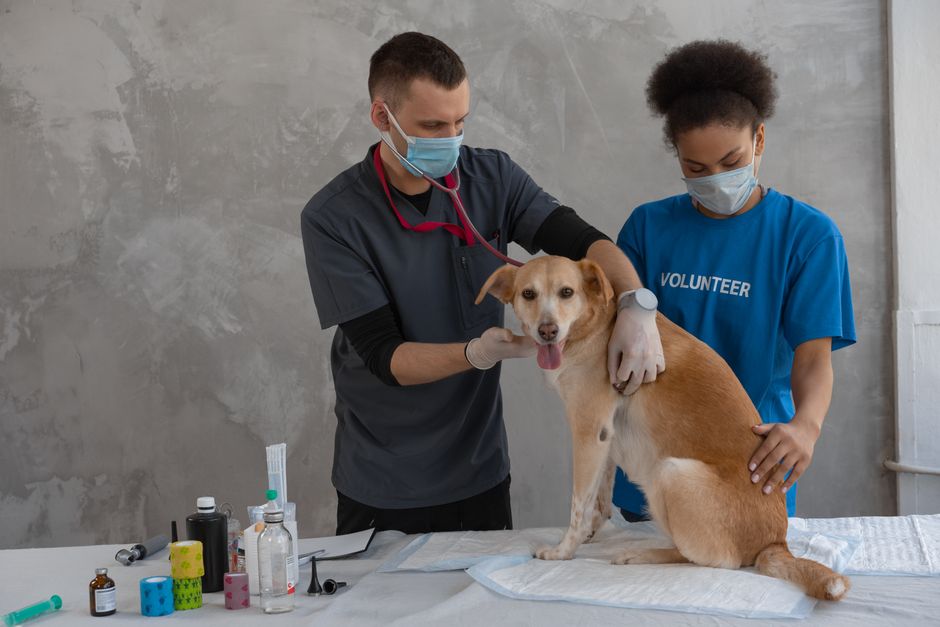
Pet owners often worry about unexpected veterinary bills, but Trupanion pet insurance direct vet pay feature offers a game-changing solution. Unlike traditional providers that reimburse you after submission, Trupanion pays your veterinarian directly at check-out, eliminating upfront costs. This review explores Trupanion’s unique offering, pros and cons, coverage details, and overall ratings to help you decide if it’s the right choice for your furry friend.
What Makes Trupanion's Direct Vet Pay Unique?
Direct Vet Pay is Trupanion’s standout feature. When you visit a participating veterinary clinic, Trupanion pays its portion of the bill directly to the clinic at the time of service. You only pay your deductible and any non-covered charges. This means less paperwork and no waiting weeks for reimbursement. According to Trupanion, over 97% of U.S. veterinarians accept their software, making it widely accessible. Additionally, this system reduces financial stress during emergencies. However, not all clinics may be set up for direct pay, so it’s wise to confirm participation before your visit.

What Are the Pros and Cons of Trupanion Pet Insurance?
Every insurance plan has strengths and weaknesses. Below is an honest breakdown of Trupanion’s advantages and drawbacks.
| Pros | Cons |
|---|---|
| Direct Vet Pay eliminates waiting for reimbursement | No wellness or routine care coverage |
| No payout limits, per-incident or annual | Does not cover exam fees or taxes |
| Covers congenital and hereditary conditions | Monthly premiums can be high, especially for older pets |
| Simple, single deductible per condition | Optional riders (e.g., physical therapy) cost extra |
| 30-day money-back guarantee | No exam fee coverage means extra out-of-pocket |
Furthermore, Trupanion’s coverage is comprehensive for accidents and illnesses, but it lacks a wellness plan. This means routine care like vaccinations, dental cleanings, and flea prevention are not included. For budget-conscious owners, the lack of a wellness add-on might be a deal-breaker.
How Does Trupanion Pet Insurance Rate Overall?
We evaluated Trupanion on five key metrics: coverage, cost, customer service, ease of use, and claim processing. Ratings are out of 5 stars.
| Category | Rating (Out of 5) | Notes |
|---|---|---|
| Coverage | 4.5 | Excellent for accidents and illnesses; no annual cap |
| Cost | 3.5 | Premiums above average; high deductibles optional |
| Customer Service | 4.0 | Responsive support; 24/7 helpline |
| Ease of Use | 4.5 | Direct Pay simplifies claims; user-friendly app |
| Claim Processing | 5.0 | Instant at clinic; reimbursement claims fast |
Overall, Trupanion scores an average of 4.3 out of 5 stars. Its strength lies in seamless claim processing and unlimited coverage. However, cost-conscious pet owners might find cheaper alternatives.
What Does Trupanion Cover and Exclude?
Trupanion covers accidents, illnesses, congenital conditions, hereditary conditions, and emergency care. They also offer optional riders for physical therapy, rehabilitation, and acupuncture. However, they exclude pre-existing conditions, wellness care, exam fees, taxes, and prescription food. For example, if your dog develops diabetes, Trupanion covers insulin and monitoring, but not the initial exam fee. Additionally, dental illnesses are covered only if the tooth is not worn or diseased before enrollment. It’s crucial to read the full policy or use their pre-existing condition check tool.
How Much Does Trupanion Pet Insurance Cost?
Trupanion premiums vary based on pet species, breed, age, location, and deductible choice. The typical monthly premium for a dog is between $50 and $70, while cats range from $30 to $50. Deductibles range from $0 to $1,000 per condition. A lower deductible means higher premiums. For instance, a 2-year-old Labrador in New York with a $500 deductible might pay around $60/month. However, since Trupanion does not have annual caps, costs can add up. Use their online quote tool for accuracy.
Furthermore, Trupanion offers a 30-day risk-free trial. If you cancel within 30 days, you receive a full refund. This allows you to test the service without commitment.
How Do Trupanion Claims Work with Direct Vet Pay?
Here’s a step-by-step overview of the claims process:
- Take your pet to a participating veterinarian.
- The clinic sends the invoice to Trupanion via their software.
- Trupanion calculates its covered portion minus your deductible and any excluded charges.
- The clinic receives payment from Trupanion directly.
- You pay only the remaining balance at check-out.
If your vet does not participate, you can submit a claim manually. Trupanion typically processes manual claims within a few business days.
Is Trupanion Pet Insurance Worth the Cost?
Trupanion’s direct vet pay is a significant advantage for pet owners who want to avoid upfront payments. However, its premiums are higher than many competitors. For pets with chronic conditions, the lack of annual limits is invaluable. Conversely, if your pet is young and healthy, you might overpay for coverage you rarely use. Additionally, Trupanion does not offer a wellness plan, so you’ll need a separate budget for routine care. Therefore, weigh your pet’s health risks and your financial comfort.
Who Should Consider Trupanion for Their Pet?
Trupanion is ideal for owners who prioritize convenience and reliable payout during emergencies. It suits breeds prone to hereditary conditions (e.g., hip dysplasia in German Shepherds) because coverage is permanent once enrolled. It’s also good for indoor cats that may face sudden illnesses. On the other hand, if you prefer a budget-friendly plan with wellness coverage, consider providers like Healthy Paws or Embrace.
Conclusion: Should You Choose Trupanion?
Trupanion offers a robust accident and illness policy with the unique advantage of direct vet pay. While premiums are above average, the unlimited payout and instant payment at the clinic provide peace of mind. We recommend Trupanion for pet owners who can afford slightly higher costs for seamless claims and comprehensive coverage. Compare quotes and read policy details before committing.