
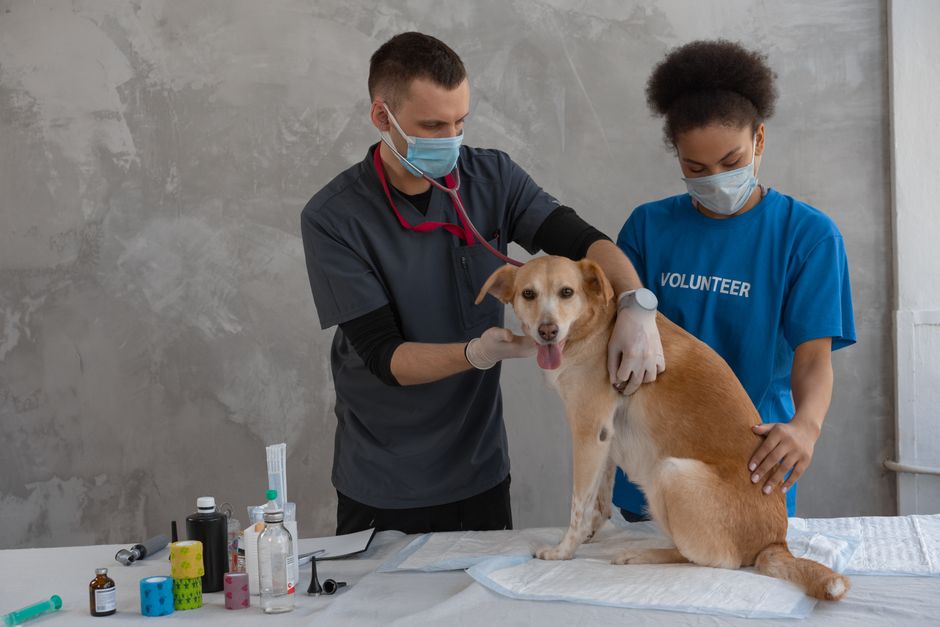
As your beloved furry friend enters their golden years, you might notice a familiar pattern: vet visits become more frequent, and the cost of care begins to climb. This is precisely why understanding how pet insurance premiums increase as your pet ages is crucial for planning your budget. Insurers adjust rates based on the higher likelihood of claims for older pets, but the exact increase depends on several factors. In this guide, we'll break down the reasons behind these hikes, what to expect at different life stages, and actionable tips to keep your coverage affordable without compromising on care.

What Factors Influence Pet Insurance Premium Increases as Your Pet Ages?
Pet insurance premiums aren't arbitrary—they're calculated using a combination of risk factors that change as your pet grows older. The primary drivers include age, breed, location, and the level of coverage you choose. Insurance companies use actuarial data showing that older pets are more prone to chronic conditions like arthritis, diabetes, kidney disease, and cancer, which drive up claim costs. Additionally, a pet's medical history matters; if your dog or cat already has a pre-existing condition (like hip dysplasia or hyperthyroidism), premiums will be higher. Breed-specific risks also play a role—large dog breeds like Golden Retrievers may see steeper increases due to higher cancer rates, while brachycephalic breeds (e.g., Bulldogs) face respiratory issues. Furthermore, your location affects veterinary pricing, so urban areas with higher vet fees lead to higher premium hikes.
How Does Age Affect Risk Scoring?
Insurers categorize pets into age bands. For example, a 1-year-old cat might be considered low risk, while a 10-year-old cat moves into a high-risk band. This risk scoring directly impacts the base premium. Most companies increase premiums annually at renewal, but the percentage jump accelerates once a pet passes a certain threshold (commonly 7–8 years for dogs, 10–12 for cats). Some insurers cap coverage or require a waiting period after the first policy to avoid early claims.
- Under 5 years: Minimal annual increase (often 0–10%)
- 5–8 years: Moderate increase (10–20% yearly)
- 8–12 years: Significant increase (20–40%)
- 12+ years: Highest increase; some insurers may decline new policies or exclude certain conditions
Transitioning from mid-life to senior years, you'll likely see the steepest jumps around age 8 for dogs and age 10 for cats.
How Much Do Pet Insurance Premiums Increase Each Year?
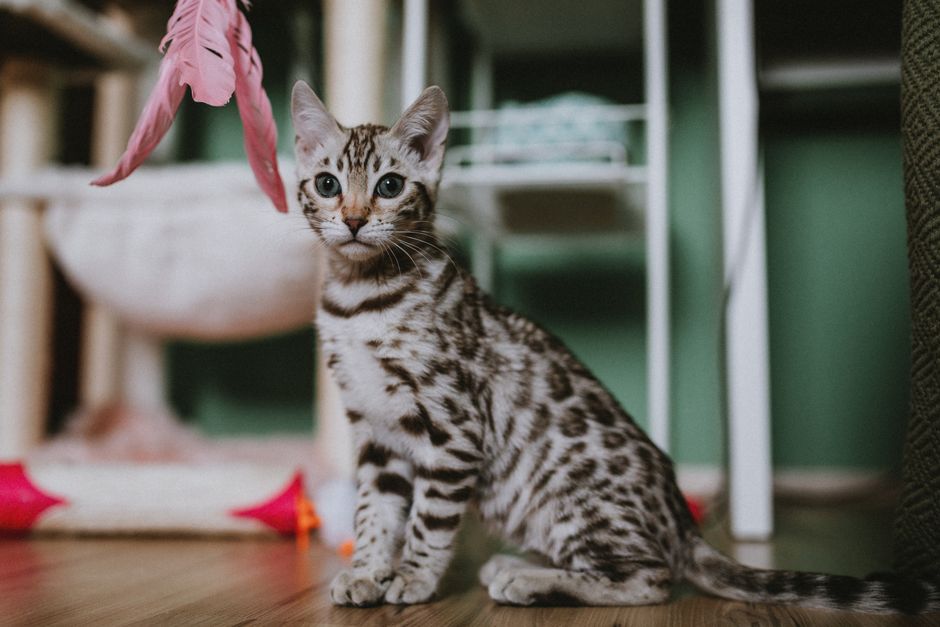
There's no single answer, but industry averages provide a clear picture. According to a 2024 analysis, pet insurance premiums for dogs increase by an average of 15–25% per year after age 7, while cats see 10–20% annual hikes. However, these percentages can vary widely based on the insurer and policy type. For instance, accident-only plans increase less than comprehensive plans (which cover illness, wellness, and hereditary conditions). Here's a hypothetical example: insuring a 2-year-old mixed-breed dog might cost $30/month, but by age 10, the same coverage could be $75–$100/month—a 150–233% increase over eight years.
What About Policy Renewal vs. New Policy?
If you've had continuous coverage from a young age, many insurers guarantee renewal but adjust premiums annually. However, if you apply for a new policy when your pet is already senior (say, 10 years old), the initial premium will be much higher because the insurer sees the immediate risk. Additionally, some companies enforce a “pre-existing condition” exclusion for any issue documented before coverage starts, which becomes more likely in older animals.
Is There a Maximum Age for Pet Insurance Coverage?
Not all insurers accept new senior pets. Many set an upper age limit for enrollment—commonly 9–10 years for dogs and 10–12 for cats. However, even if your pet is beyond that threshold, you may still find coverage from specialized providers like Embrace or ASPCA Pet Health Insurance (some allow enrollment up to age 14). For existing policyholders, coverage typically continues for life as long as premiums are paid, but benefits may decrease or exclusions increase. Always read the fine print: some policies have age-based sub-limits (e.g., maximum payout for cancer treatment drops after age 10).
How Can You Lower Pet Insurance Costs for an Older Pet?
While you can't stop your pet from aging, you can take steps to manage premiums. First, consider raising your deductible and choosing a higher reimbursement rate (e.g., 90% vs. 80%) to lower monthly costs—just be prepared for higher out-of-pocket expenses if a claim occurs. Second, opt for an accident-only plan if you have a healthy senior pet; illness coverage can be added later (though pre-existing conditions won't be covered). Third, maintain your pet's health with regular vet check-ups, a balanced diet, and exercise—some insurers offer wellness discounts or reward lower-risk profiles. Fourth, compare quotes from multiple companies at renewal; loyalty doesn't always pay, as new customer discounts can offset increases. Finally, consider a policy with no annual maximum or unlimited lifetime benefit, which can be cheaper in the long run despite higher premiums.
What Should You Consider When Insuring an Aging Pet?
Beyond cost, focus on coverage details. Look for policies that cover chronic conditions with an annual rather than per-incident deductible, as senior pets often have ongoing issues. Check if hereditary conditions are included (e.g., cataracts in cats, hip dysplasia in dogs). Also, evaluate waiting periods for new conditions—many insurers impose a 14–30 day wait for illness, so don't wait until a problem arises. Additionally, consider the reimbursement timeline: some companies pay vets directly (ideal for cash-strapped owners), while others reimburse you after the visit. Finally, review the insurer's reputation for handling senior pet claims—read reviews about claim denials or slow payments.
Should You Start Insurance Early or Wait?
The earlier you insure, the lower the baseline premium and the fewer exclusions. Waiting until your pet is senior means higher costs and potential denial for pre-existing conditions. That said, if your pet is already old, shopping around is still worthwhile—some insurers specialize in senior coverage and offer competitive rates.
Are There Alternatives to Traditional Pet Insurance for Senior Pets?
If standard insurance becomes unaffordable, explore alternatives. Pet wellness plans (like those offered by Banfield) cover routine care but not illnesses. Discount plans (e.g., Pet Assure) provide savings on vet services for a monthly fee, but they aren't insurance—they don't reimburse for emergencies. Another option is a pet health savings account (HSA) or a dedicated credit card with 0% APR for vet bills. For low-income owners, nonprofit clinics or CareCredit can help manage costs. However, none offer the comprehensive protection of insurance; weigh the trade-offs carefully.
Conclusion
Pet insurance premiums increase as your pet ages, but understanding the why and how empowers you to make smarter decisions. By starting coverage early, comparing plans, and adjusting deductibles, you can mitigate the financial impact of those annual hikes. Remember, the goal is to ensure your senior companion receives the best possible care without causing you undue financial stress. Review your policy each year, stay proactive about your pet's health, and don't hesitate to negotiate with insurers—sometimes a simple phone call can lower your rate. With the right approach, you can navigate the aging curve and keep your furry friend healthy for years to come.