
What Is Routine Care Coverage in Pet Insurance?
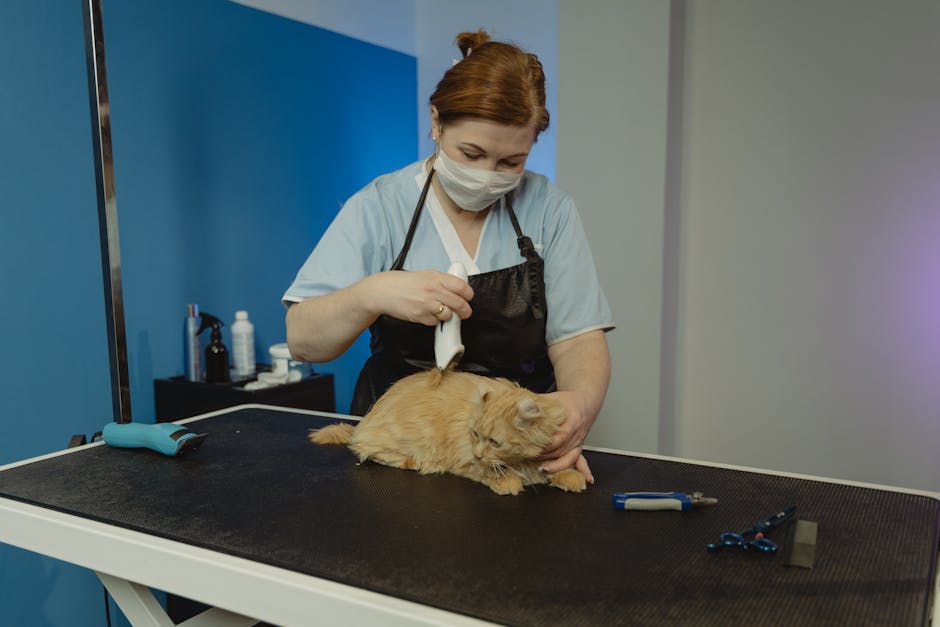
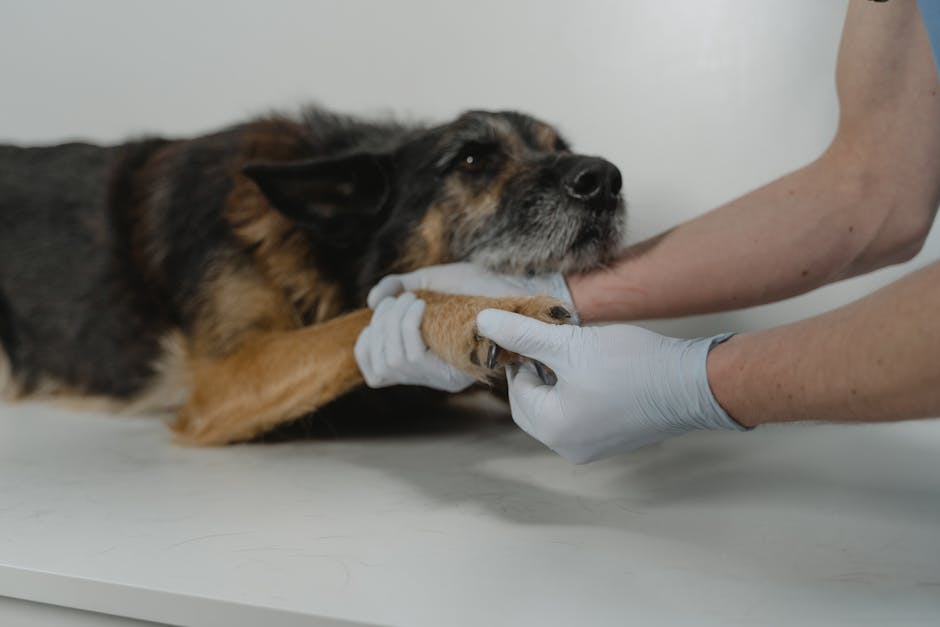
When you start shopping for pet insurance, you'll encounter a term that often causes confusion: routine care coverage. This is an optional add-on or a separate wellness plan that covers predictable, everyday veterinary expenses such as annual check-ups, vaccinations, flea/tick prevention, and dental cleanings. Unlike accident and illness policies that kick in for unexpected injuries or diseases, routine care coverage is designed to reimburse you for the preventive services your pet needs to stay healthy.
For many pet owners, the appeal is clear: instead of budgeting for these costs yourself, you pay a monthly premium for the add-on, and the insurance company reimburses a set amount for each covered service. However, whether it's worth adding depends on your pet’s age, breed, your budget, and how often you visit the vet. In this FAQ article, we’ll explore the key questions to help you decide if this coverage is right for you.

What Exactly Does Routine Care Coverage Typically Include?
Standard routine care add-ons usually cover a list of preventive services. While specifics vary by provider, you can generally expect reimbursement for:
- Annual wellness exams
- Core vaccinations (e.g., rabies, DHPP for dogs, FVRCP for cats)
- Fecal and heartworm tests
- Flea, tick, and heartworm prevention (often reimbursed up to a limit)
- Dental cleanings (under anesthesia, up to a certain amount per year)
- Microchipping
- Spay/neuter (one-time benefit for many plans)
Some insurers also offer tiered wellness plans – basic, plus, or premium – allowing you to choose a level that matches your pet's needs. For example, a basic plan might cover only an exam and two vaccines, while a premium plan adds dental and blood work. It's essential to review the schedule of benefits because reimbursement is capped per service, and unused coverage rarely rolls over.
How Much Does Routine Care Coverage Add to My Premium?
The cost of adding a wellness rider typically ranges from $10 to $30 per month, depending on the level of coverage and the insurer. For a basic package that covers a single annual exam and a few vaccines, you might pay around $12–$15/month. For a comprehensive plan that includes dental cleaning, spay/neuter, and extended diagnostics, the monthly cost can climb to $25–$35.
To put this in perspective, if you pay $20/month for the add-on, you're investing $240 per year. The annual value of covered services often falls between $200 and $400, so you could come out ahead or break even. However, if your pet rarely needs more than the basics, you might be better off setting aside that $20 monthly into a dedicated savings account. Check your insurer's fine print – many plans reimburse a flat dollar amount per service, not 100% of the vet bill, so you may still pay some out-of-pocket.
Does Routine Care Coverage Cover Pre-Existing Conditions or Old Pets?
Generally, no. Routine care add-ons are designed for preventive, healthy care, not chronic or pre-existing issues. If your dog has a chronic ear infection, for example, treatments for that condition would fall under the accident and illness part of your policy – and only if it wasn’t pre-existing. Routine care does not cover management of ongoing diseases.
Additionally, many insurers limit routine care add-ons to pets under a certain age, often 8 or 10 years old. Older pets may not be eligible for the wellness rider, or the cost may outweigh the benefits because they need more frequent preventive care. Always read the eligibility requirements before purchasing. If your pet is older and healthy, you might still find value, but the premium could be higher and the reimbursement caps lower.
Is Routine Care Coverage Worth It for Puppies and Kittens?
For the first year of a puppy or kitten’s life, routine care coverage can be highly beneficial. New pets require a series of vaccinations, multiple vet visits, spay/neuter surgery, microchipping, and deworming. These costs can easily total $500–$800 or more in the first year, while the cost of a comprehensive wellness add-on for that same period might be $150–$300.
Furthermore, many insurers allow you to add the wellness rider only during initial enrollment or during a specific window each year. If you adopt a new pet, consider signing up for a plan that includes the first-year wellness coverage. After the first year, you can reassess whether to keep it. Remember, though: the add-on is separate from your accident and illness coverage, so even if you drop wellness later, you can maintain the core policy.
Can I Combine Routine Care Coverage With a High-Deductible Accident/Illness Plan?
Absolutely. In fact, this is a popular strategy among cost-conscious pet owners. You choose a higher deductible (say $500 or $1,000) on your accident and illness policy to keep the monthly premium low, then add a modest routine care rider for predictable expenses. That way, you’re protected against catastrophic medical bills while still getting reimbursed for annual exams and vaccines.
However, note that the routine care add-on usually has its own separate limits and does not count toward the accident/illness deductible. Also, some insurers require that you carry a minimum coverage level for the main policy before you can add wellness. Compare a few quotes to see which combination gives you the best balance of premium and out-of-pocket exposure.
Are There Exclusions or Limits I Should Watch Out For?
Yes, routine care add-ons come with several important limitations. Common exclusions include:
- Treatments for illnesses or injuries (those go under the main policy)
- Pre-existing conditions
- Hereditary or congenital conditions (unless your main policy covers them)
- Any service not listed in the schedule of benefits
- Alternative therapies like acupuncture or chiropractic care
Furthermore, each service has an annual maximum reimbursement amount. For example, a plan might cover up to $50 for teeth cleaning, $40 for a vaccine, and $60 for an exam. If the vet charges more, you pay the difference. Unused amounts usually expire at the end of the year. Read the policy certificate carefully to understand what’s covered and what’s not.
How Do I Decide Between a Routine Care Add-On and a Separate Wellness Plan?
Some pet insurance companies offer wellness coverage as an optional rider added to your accident/illness policy. Others sell standalone wellness plans that are independent of insurance. The choice depends on your preferences. With an add-on, you have one monthly bill and one claim process. Standalone plans sometimes offer more flexibility or lower costs, but you have to manage two separate accounts.
Consider your pet’s health needs. If your pet is young and you want simple reimbursement for routine vet visits, an add-on might be convenient. If you prefer to pay for wellness out-of-pocket and only want insurance for emergencies, skip the rider. Ultimately, math matters: estimate your annual routine costs, compare them to the cost of the add-on plus any deductibles, and see if the add-on saves you money. If you’re close to breaking even, the peace of mind of predictable budgeting might still make it worth it.
Does Routine Care Coverage Cover Dental Cleanings and Blood Work?
Many comprehensive wellness plans include coverage for professional dental cleaning (usually once per year) and baseline blood work (for senior pets or pre-surgical screening). However, the reimbursement is typically a fixed amount – e.g., $100 toward a $400 dental cleaning. You will still pay the difference. Some plans also cover a wellness blood panel, often for pets 7 years and older.
If your pet has dental issues or is a breed prone to dental disease (like small breed dogs), this coverage can offset part of the cost. For blood work, it can help catch early signs of disease. Always check the schedule of benefits for exact amounts and any age restrictions.
Conclusion
Deciding whether to add routine care coverage to your pet insurance policy comes down to your pet’s age, expected veterinary costs, and your financial comfort. For a puppy or kitten’s first year, the add-on almost always pays for itself. For older, healthy pets, you may break even or save a little. If you prefer simplicity and predictable monthly costs, the add-on can be a convenient way to spread out annual expenses. However, if you’re budget-savvy and can set aside money yourself, you might skip it.
We recommend getting quotes from at least three insurers that offer wellness riders and comparing the schedule of benefits with your estimated annual wellness costs. No single answer fits every pet, but with this FAQ, you now have the information to make an informed choice for your furry friend.