
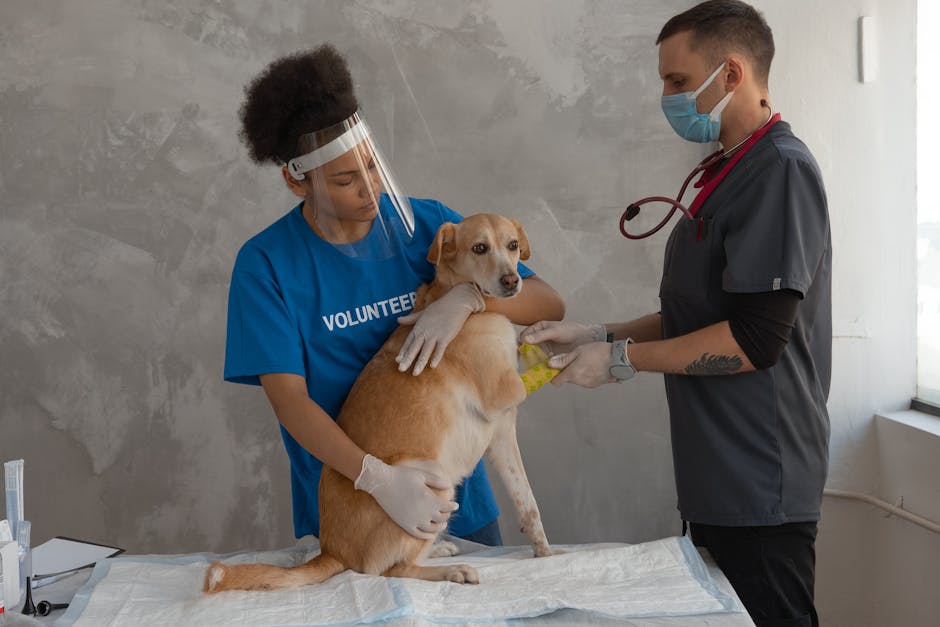
Navigating the world of pet insurance can feel overwhelming, but understanding how pet insurance works is the first step to making an informed decision. Whether you have a rambunctious puppy or a senior cat, unexpected vet bills can strain your budget. Pet insurance offers a safety net, but the process involves several stages. In this guide, we’ll walk you through each step, from choosing a plan to getting reimbursed, so you can confidently protect your furry friend’s health.
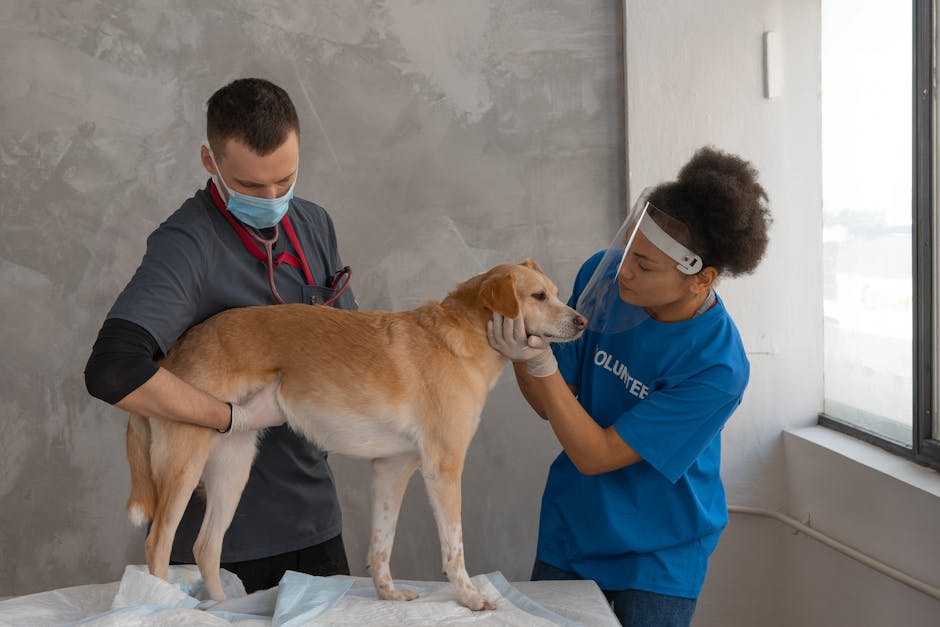
Step 1: What Is Pet Insurance and How Does It Work?
Pet insurance functions similarly to human health insurance but is tailored for pets. You pay a monthly premium to an insurance provider. When your pet needs veterinary care—whether for an accident, illness, or routine wellness—you pay the vet directly, then submit a claim to your insurer. After reviewing the claim, the company reimburses you based on your plan’s coverage, deductible, and reimbursement percentage. Typically, plans cover accidents and illnesses, with optional wellness add-ons. Understanding this fundamental structure is key to grasping the entire pet insurance process.
However, policies vary widely. Some only cover accidents, while others include hereditary conditions or alternative therapies. Additionally, each plan has a deductible (annual or per-incident), a reimbursement rate (usually 70%, 80%, or 90%), and an annual limit. The step-by-step process starts with selecting a plan that matches your pet’s needs and your budget.

Step 2: How Do You Select the Right Pet Insurance Plan for Your Pet?
Choosing a plan involves evaluating multiple factors. First, consider your pet’s age, breed, and health history. Younger pets generally have lower premiums, while older pets may face higher costs or exclusions for pre-existing conditions. Furthermore, breeds prone to genetic disorders may require comprehensive coverage.
- Coverage type: Accident-only, accident and illness, or wellness plans.
- Deductible: Annual or per-incident, typically ranging from $100 to $500.
- Reimbursement level: Common rates are 70%, 80%, or 90% of covered costs.
- Annual limit: Maximum amount insurer pays per year, from $5,000 to unlimited.
Additionally, compare waiting periods, exclusions, and customer reviews. Many insurers offer free quotes online. Use these tools to estimate premiums and see how different choices affect costs. For example, a higher deductible lowers the monthly premium but increases your out-of-pocket expense per claim. Once you’ve narrowed your options, read the fine print to ensure the policy covers what matters most for your pet.
Step 3: What Is the Application Process for Pet Insurance?
After selecting a plan, the application process is straightforward. Most companies let you apply online in minutes. You’ll need to provide basic information about your pet, including name, age, breed, and any known health issues. The insurer may ask for veterinary records to verify your pet’s medical history. This step is crucial because pre-existing conditions are typically excluded.
Furthermore, you must choose your deductible and reimbursement level during enrollment. Some insurers also offer a waiting period—often 14 days for illnesses and 2 days for accidents—before coverage kicks in. It’s essential to understand these waiting periods to avoid surprises. Once submitted, the company will review your application and issue a policy. You’ll receive a confirmation and a start date for coverage. Remember to keep your pet’s health records updated and notify the insurer of any changes.
Step 4: How Do You File a Claim for Pet Insurance Step by Step?
Filing a claim is a critical part of the pet insurance process. Follow these steps to ensure a smooth experience:
- Visit the vet and pay the full bill at the time of service.
- Obtain an itemized invoice and any medical records, such as diagnosis and treatment details.
- Log into your insurer’s portal or app and complete the claim form, uploading the invoice and records.
- Submit the claim and note the claim number for tracking.
- Check claim status via the portal or customer service; most claims are processed within 5–14 business days.
However, some insurers allow direct payment to the vet, but this is less common. Additionally, always keep copies of submitted documents. If your claim is denied, you can often appeal by providing additional information. The more organized you are, the faster you’ll receive reimbursement.
Step 5: How Does Pet Insurance Reimbursement Work After a Claim?
Once your claim is approved, the reimbursement process begins. First, the insurer applies your deductible—if it’s an annual deductible, you only pay it once per year regardless of how many claims you file. After the deductible is met, the company pays you back based on your chosen reimbursement percentage. For example, if a covered vet visit costs $400, your deductible is $200, and your reimbursement rate is 80%, the calculation would be:
- Covered amount: $400
- Minus deductible: $200
- Remaining: $200
- 80% reimbursement: $160
Therefore, you receive $160, and your out-of-pocket total is $240. Reimbursement is typically sent via check, direct deposit, or ACH within a week of approval. Furthermore, most insurers have annual limits; once you hit the cap, you’re responsible for all additional costs for that year. Understanding this math helps you budget for unexpected expenses.
Step 6: What Are Common Exclusions and Limitations in Pet Insurance Policies?
No pet insurance policy covers everything. Common exclusions include:
- Pre-existing conditions (diagnosed or showing symptoms before the policy start date)
- Hereditary or congenital conditions (unless specifically covered by the plan)
- Routine or preventive care (vaccinations, dental cleanings, spay/neuter) without a wellness add-on
- Elective procedures (like cosmetic surgery)
- Behavioral issues (some policies may cover with extra rider)
Additionally, policies often have waiting periods for specific conditions, such as cruciate ligament issues. Annual limits and per-incident caps also apply. It’s vital to read the policy document carefully and ask your provider about any unclear terms. Checking reviews can also reveal how insurers handle exclusions in practice. By knowing these limitations, you can avoid surprises and choose a plan that truly meets your pet’s needs.
Conclusion: Understanding the step-by-step process of pet insurance empowers you to make the best choice for your pet. By knowing how pet insurance works, you can select a plan that fits your budget and provides peace of mind. Start comparing quotes today to ensure your furry family member gets the care they deserve.