
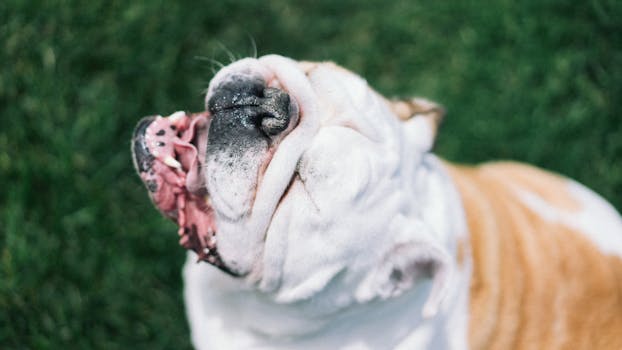
As a pet parent, you may have seen your dog suddenly stop, extend its neck, and make a honking or snorting sound. This startling behavior is known as reverse sneezing in dogs, a common but often misunderstood reflex. While it can look alarming, understanding what reverse sneezing is and when it's a cause for concern can help you stay calm and care for your pup. In this FAQ article, we answer the most pressing questions about reverse sneezing, from causes to treatment, so you know exactly what to do when your dog experiences an episode.
What is reverse sneezing in dogs?
Reverse sneezing, also called inspiratory paroxysmal respiration, is a sudden, involuntary reflex that forces air rapidly through the nose instead of the mouth. During an episode, a dog will stand still, extend its head and neck, and produce a loud snorting or honking sound. The noise often mimics a sneeze but in reverse — the dog inhales forcefully rather than exhales. This can last from a few seconds to a minute or more, though it usually stops on its own.
It's important to note that reverse sneezing is not a true sneeze. In a regular sneeze, the body expels irritants from the nasal passages; in reverse sneezing, the dog tries to clear something from the back of the throat or nasopharynx by rapidly inhaling. The reflex is generally harmless and does not indicate a serious health problem in most cases. However, if episodes become frequent or severe, further investigation may be warranted.
What causes reverse sneezing in dogs?
Reverse sneezing is triggered by irritation or inflammation in the nasopharynx, the area at the back of the throat connecting the nasal cavity to the esophagus. Many factors can provoke this reflex, ranging from minor environmental triggers to underlying medical issues. Common causes include:
- Excitement or overstimulation — A sudden burst of energy or enthusiasm can trigger an episode.
- Allergies — Pollen, dust, mold, or other airborne allergens can irritate the nasal passages.
- Irritants — Strong odors (perfume, cleaning products), cigarette smoke, or air fresheners may cause irritation.
- Pulling on a leash — Neck pressure from a collar can compress the trachea and trigger reverse sneezing.
- Foreign objects — Grass seeds, dirt, or small particles can become lodged in the nasal passages.
- Nasal mites — Tiny parasites (Pneumonyssoides caninum) can infest the nasal cavity and cause chronic irritation.
Additionally, some dogs experience reverse sneezing after drinking water too quickly or during vigorous play. In many cases, a single episode is nothing to worry about, but if the triggers persist, it may be worth identifying and avoiding them.
Is reverse sneezing in dogs dangerous?
For the vast majority of dogs, reverse sneezing is not dangerous. The episodes are self-limiting and often resolve within a minute. During an attack, your dog may look frightened or uncomfortable, but they usually continue breathing normally once it passes. There is no evidence that reverse sneezing causes long-term damage to the respiratory system.
However, there are exceptions. If reverse sneezing occurs repeatedly throughout the day, lasts more than a minute each time, or is accompanied by other symptoms like coughing, gagging, nasal discharge, panting, or lethargy, it could indicate an underlying condition such as nasal tumors, collapsing trachea, or respiratory infections. In such cases, prompt veterinary evaluation is necessary to rule out serious issues.
How can I tell if my dog is reverse sneezing vs. something else?
Distinguishing reverse sneezing from other breathing problems can be challenging because the sounds can be similar. Here are key differences to help you identify reverse sneezing:
- Posture and movement — During reverse sneezing, a dog typically stands still with elbows spread and neck extended forward. They do not usually pant or open their mouth wide.
- Sound — Reverse sneezing sounds like a loud snorting or honking that comes in short bursts. In contrast, a cough is usually a single, harsh exhalation, and tracheal collapse produces a goose-honk cough that is more continuous.
- Duration — Reverse sneezing episodes typically last 10–60 seconds and then stop abruptly. A coughing fit may last longer or be followed by gagging.
- Behavior afterward — After reverse sneezing, most dogs return to normal immediately. If your dog seems weak, lethargic, or has trouble catching their breath, the issue may be more serious.
If you are unsure, record a video of the episode and show it to your veterinarian. They can provide a definitive diagnosis and rule out conditions like collapsing trachea, asthma, or kennel cough.
When should I worry about reverse sneezing in dogs?
While reverse sneezing is usually benign, certain signs call for veterinary attention. You should worry if:
- The episode lasts longer than one to two minutes or occurs multiple times per day.
- Your dog shows signs of distress, such as blue-tinged gums (cyanosis), collapse, or difficulty breathing.
- There is accompanying nasal discharge, bleeding from the nose, or visible foreign material.
- Your dog also coughs, gags, or vomits regularly.
- The episodes start suddenly after a known trigger (e.g., exposure to a new allergen or a possible trauma).
Furthermore, if your dog has been diagnosed with a heart condition, respiratory disease, or a known airway obstruction, any new breathing abnormality should be evaluated promptly. Senior dogs or brachycephalic breeds (such as Bulldogs, Pugs, and Boston Terriers) may be more prone to respiratory issues that require medical intervention.
Can I do anything to stop a reverse sneezing episode?
Yes, several gentle techniques can help stop a reverse sneezing episode or shorten its duration. The goal is to calm your dog and encourage them to swallow, which can clear the irritation. Here are a few methods:
- Gently massage the throat — Lightly stroke your dog’s throat in a downward motion to stimulate swallowing.
- Cover the nostrils for a second — Gently cover your dog’s nostrils with your hand for a brief moment (less than a second) to encourage them to swallow.
- Offer a small treat or water — Swallowing helps reset the reflex. Give a tiny treat or a few sips of water.
- Blow a puff of air into the face — A quick, gentle puff of air toward the nose may interrupt the reflex.
It is important to stay calm yourself. Dogs pick up on your anxiety, which can prolong the episode. Most importantly, never try to force your dog’s mouth open or insert anything into their nose. If the technique doesn't work within a minute, simply wait for the episode to pass naturally and reward your dog for remaining calm.
Are certain dog breeds more prone to reverse sneezing?
While any dog can experience reverse sneezing, some breeds are more susceptible due to their anatomy. Brachycephalic breeds — those with flat faces and shortened snouts — are especially prone because their elongated soft palates and narrow nostrils can easily cause pharyngeal irritation. Common breeds in this category include Bulldogs, French Bulldogs, Pugs, Boston Terriers, Shih Tzus, Boxers, and Cavalier King Charles Spaniels.
Additionally, small breed dogs like Chihuahuas, Yorkies, and Pomeranians may be more prone to reverse sneezing, possibly due to their tiny tracheas and neck anatomy. Interestingly, dogs that pull hard on leashes or wear tight collars can also trigger episodes regardless of breed. If your breed is predisposed, it may be helpful to use a harness instead of a collar during walks to reduce neck pressure.
How do veterinarians diagnose and treat reverse sneezing?
Diagnosis begins with a thorough history and physical exam. Your veterinarian will ask about the frequency, duration, and triggers of the episodes. They may also watch a video you have recorded, as observing the behavior is key. In most cases, no further tests are needed if reverse sneezing is infrequent and your dog is otherwise healthy.
However, if episodes are persistent or accompanied by other symptoms, your vet may recommend diagnostics such as:
- Radiographs (X-rays) — To check for foreign bodies, nasal masses, or tracheal collapse.
- Rhinoscopy — A small camera inserted into the nasal cavity to inspect for mites, polyps, or tumors.
- Allergy testing — If environmental allergens are suspected.
- Blood work — To rule out systemic illness or infection.
Treatment depends on the underlying cause. For simple irritation, no treatment is necessary. For allergies, antihistamines or anti-inflammatory medications may help. Nasal mites require an antiparasitic drug (e.g., ivermectin or milbemycin). If a foreign body is found, it can be removed under sedation. In rare cases where episodes are severe and frequent, surgery (e.g., soft palate resection) might be considered for brachycephalic dogs.
Can reverse sneezing be prevented?
Preventing reverse sneezing involves managing the triggers that set off the reflex. While you can't completely eliminate the possibility, you can reduce the frequency of episodes with a few lifestyle adjustments:
- Use a harness instead of a collar — This reduces pressure on the neck and trachea during walks.
- Minimize irritants — Avoid strong perfumes, cigarette smoke, and harsh cleaning products near your dog.
- Keep your home clean — Regular vacuuming and air purifiers can help reduce dust, pollen, and mold spores.
- Manage allergies — If your dog has known allergies, talk to your vet about antihistamines or immunotherapy.
- Stay calm — Avoid highly exciting situations that might trigger an episode (e.g., overly rambunctious play).
Additionally, if your dog tends to pull on the leash, invest time in loose-leash training. A calm, controlled walk reduces both physical and emotional arousal. Remember that even with the best prevention, occasional episodes are normal. The key is to recognize when reverse sneezing becomes a problem worth investigating further.
Conclusion
Reverse sneezing in dogs is a common, usually harmless reflex that can startle any pet owner. By understanding its causes, recognizing the classic signs, and knowing when to act, you can respond with confidence instead of panic. Most episodes resolve on their own or with simple at-home techniques like throat massage or offering a treat. However, if your dog’s reverse sneezing becomes frequent, prolonged, or accompanied by other worrisome symptoms, consult your veterinarian. With a little knowledge and a calm approach, you'll be well-equipped to help your dog through these unsettling moments.