
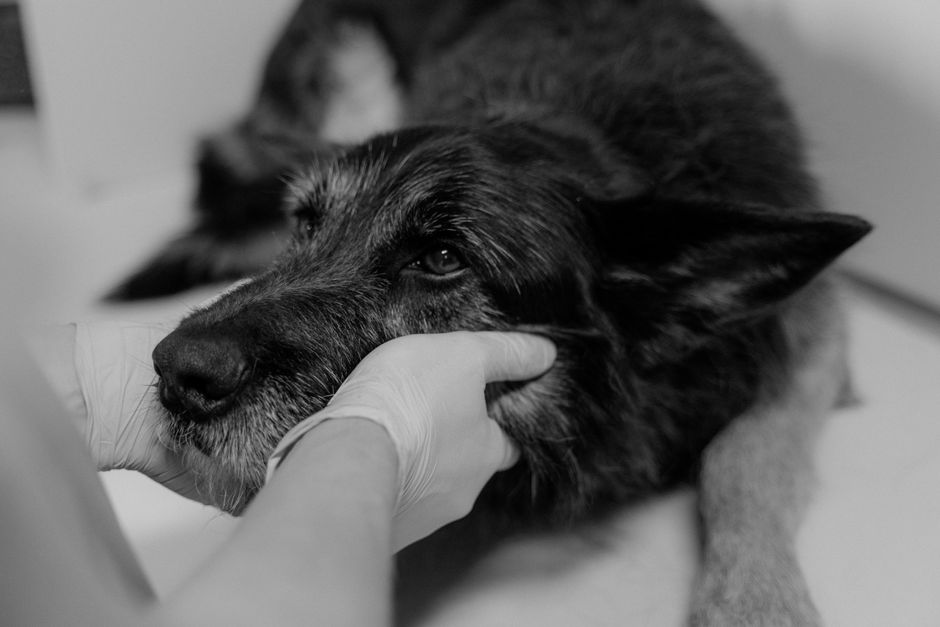
If you own a white dog, you know how quickly those reddish-brown marks under the eyes can ruin their pristine appearance. Learning how to remove tear stains on white dogs naturally is not only about aesthetics—it's also about your pet's comfort and health. Tear stains are caused by porphyrins, iron-containing molecules in tears, which oxidize when exposed to air. However, many commercial products contain harsh chemicals that may irritate your dog's sensitive eye area. Fortunately, natural remedies and lifestyle adjustments can effectively lighten and prevent these stains without side effects. This step-by-step guide will walk you through practical, gentle methods to keep your dog's face bright and healthy.

1. What Causes Tear Stains on White Dogs?
Understanding the root cause is the first step to solving any problem. Tear stains appear when tears overflow onto the fur and react with bacteria, yeast, or enzymes. In white dogs, the contrast makes the stains more visible. Common causes include:
- Overproduction of tears (epiphora) due to allergies, blocked tear ducts, or eye irritation.
- Dietary factors such as low-quality food with artificial additives or excess iron.
- Anatomical issues like shallow eye sockets or folded facial skin (common in brachycephalic breeds).
- Infections or yeast overgrowth that worsen staining.
Addressing these factors holistically will not only reduce stains but also improve your dog's overall well-being. Additionally, some dogs are genetically predisposed to produce more porphyrins, making consistent care essential.
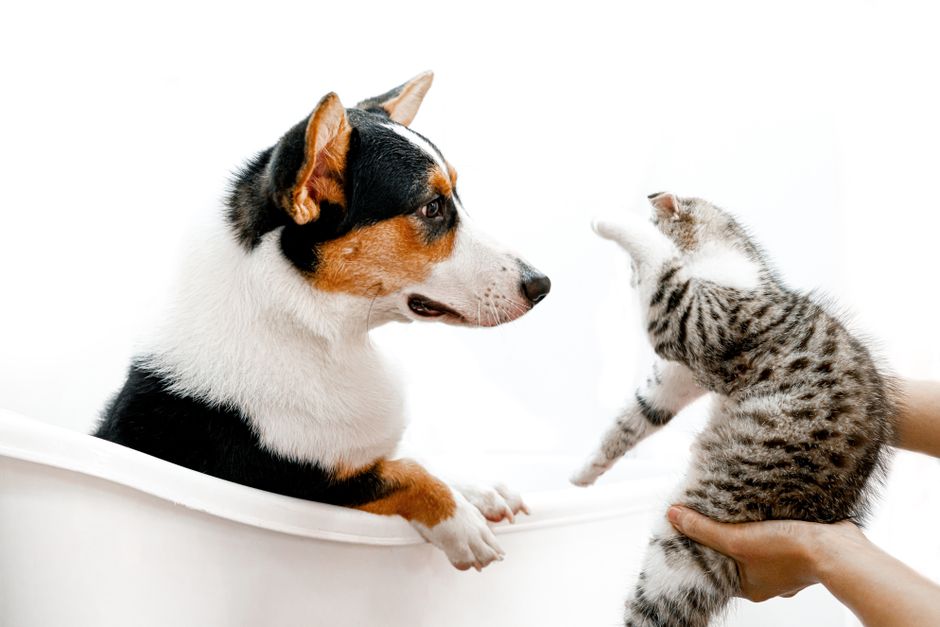
2. How Can You Clean Tear Stains Safely?
Before jumping to remedies, it's crucial to establish a safe cleaning routine. Daily gentle cleaning prevents buildup and keeps the area dry. Here is a simple step-by-step method:
- Warm a small amount of distilled water or chamomile tea (cooled, not hot).
- Dip a soft cotton ball or pad into the liquid, then gently wipe from the inner corner of the eye outward.
- Use a fresh cotton ball for each eye to avoid cross-contamination.
- Pat the area dry with a clean, soft cloth.
Furthermore, you can dilute a tiny drop of coconut oil on a cotton swab to moisturize and naturally fight bacteria. Avoid using hydrogen peroxide or alcohol, as they can sting and damage fur. Consistency is key—wipe twice daily for best results.
3. Which Natural Home Remedies Work Best?
Several kitchen ingredients can be effective, but always test on a small patch first. Remember that natural does not mean harmless—dilution is important. Here are three proven natural remedies:
- Apple cider vinegar (ACV): Mix 1 part raw, unfiltered ACV with 1 part water. Apply with a cotton ball to the stained area once daily. The mild acidity helps break down porphyrins and balances pH. However, avoid getting it near the eyes.
- Coconut oil: Apply a tiny amount to stains after cleaning. Its antibacterial and antifungal properties reduce yeast that darkens fur.
- Baking soda paste: Mix a pinch of baking soda with enough water to form a paste. Gently rub onto stains, leave for 15 minutes, then rinse thoroughly. This acts as a gentle exfoliant.
Moreover, you can add a few drops of calendula tincture to warm water for a soothing rinse that reduces inflammation. Always supervise your dog to prevent licking during application.
4. How Does Diet Affect Tear Stains?
What goes inside your dog directly influences tear stain severity. A poor diet can exacerbate porphyrin production and weaken the immune system, making infections more likely. To naturally reduce stains, consider these dietary changes:
- Switch to a grain-free, high-quality protein dog food with no artificial colors or fillers.
- Add a teaspoon of plain yogurt or a probiotic supplement to support gut health and reduce yeast.
- Provide filtered water instead of tap water, which often contains iron or minerals that worsen stains.
- Avoid treats with red dyes or excessive additives.
Additionally, you can introduce a small amount of parsley (for its chlorophyll content) or cranberry (for urinary health) into their meals—these natural ingredients help detoxify the body and lighten tear stains over time.
5. What Grooming Practices Help Prevent Stains?
Beyond cleaning, proper grooming can minimize moisture and debris accumulation around the eyes. Follow these practices:
- Trim the fur around the eyes short using blunt-nose scissors. This prevents tears from wicking onto hair.
- Use a stain-removing comb or tool designed for tear stains to gently remove dried residue.
- Wipe the face after every meal and walk to prevent dirt from mixing with tears.
- Keep the eye area dry by gently patting with a microfiber cloth after cleaning.
Furthermore, consider using a natural eye wash (e.g., saline solution) to flush out irritants weekly. Regular professional grooming sessions every 6–8 weeks can also help maintain a clean face, especially for long-haired breeds like Maltese or Bichon Frise.
6. Are There Any Supplements That Reduce Tear Stains?
Certain supplements can support tear stain reduction from the inside out. However, always consult your veterinarian before adding new supplements. Here is a quick reference table:
| Supplement | How It Helps | Recommended Form |
|---|---|---|
| Omega-3 fatty acids | Reduces inflammation and supports skin/coat health | Fish oil or flaxseed oil |
| Probiotics | Balances gut flora, curbing yeast overgrowth | Powder or capsule for dogs |
| Turmeric | Natural anti-inflammatory and antioxidant | Golden paste (with black pepper) |
| Vitamin C | Boosts immunity and detoxification | Ester-C form, low dose |
Moreover, some owners report success with Angel's Eyes chewable tablets (a commercial product) but their long-term safety is debated. Natural supplements are generally safer when used correctly.
7. When Should You Consult a Veterinarian?
While home care works for many dogs, certain situations require professional attention. If you notice any of the following, schedule a vet visit:
- Persistent redness, swelling, or discharge in or around the eyes.
- Squinting, blinking, or pawing at the face indicating pain or irritation.
- No improvement after 2–3 weeks of consistent natural care.
- Signs of infection like green/yellow pus or foul odor.
Additionally, your vet can check for blocked tear ducts, allergies, or eye infections that require medication. They may also recommend a special diet or prescription eye drops. Remember, tear stains can sometimes be a symptom of a deeper health issue, so never ignore persistent staining.
Conclusion
Removing tear stains on white dogs naturally requires patience, consistency, and a holistic approach. By understanding the causes, using gentle home remedies, adjusting your dog's diet, and maintaining good grooming habits, you can significantly reduce or eliminate those stubborn marks. Additionally, supplements can offer extra support, but always prioritize safety and veterinary guidance. Your white dog's bright, clean face will not only look beautiful but also reflect their inner health and happiness. Start today—your furry friend will thank you!