
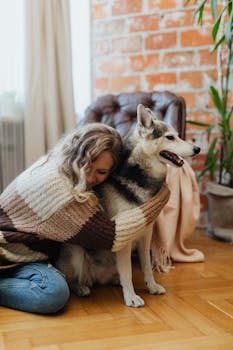
Does your dog tremble, pant, or hide at the mere sight of the veterinary clinic? You are not alone. Dog anxiety during veterinary visits is a common challenge that affects countless pets and their owners. In fact, research suggests that up to 78% of dogs show signs of stress when visiting the vet. This anxiety not only makes the experience unpleasant but can also interfere with essential medical care. Fortunately, with the right strategies, you can significantly reduce your dog's fear and make each trip a calmer, more positive encounter. Below is a comprehensive guide to help your canine companion feel safe and relaxed from the waiting room to the exam table.
Understanding the Root of Veterinary Anxiety
Before you can address the problem, it helps to understand why your dog reacts with fear. Dogs are creatures of habit, and veterinary visits are far from routine. A typical appointment involves unfamiliar smells (disinfectants, other animals), strange sounds (scales, clippers), unusual handling, and sometimes pain. Additionally, many dogs associate the vet with past negative experiences—perhaps a painful injection or a frightening restraint. However, not all anxiety stems from bad memories; some dogs are simply more sensitive or genetically predisposed to nervousness. Recognizing these triggers is the first step toward tailored solutions.
Common Signs of Stress
- Excessive yawning, lip licking, or drooling
- Whining, barking, or growling
- Trembling, cowering, or tucking the tail
- Trying to escape or hiding behind you
- Diarrhea or vomiting during the visit
If your dog exhibits any of these behaviors, it is important to intervene early. Furthermore, ignoring stress signals can escalate fear over time, making future visits even harder.
Preparation Before the Visit
Success begins long before you walk through the clinic door. Preparation is arguably the most powerful tool in your anxiety-reduction kit. Start by familiarizing your dog with the veterinary environment in low-pressure ways. Many clinics allow “happy visits” where your dog simply enters, receives a treat, and leaves without any medical procedure. Additionally, you can desensitize your dog to handling at home by gently touching paws, ears, and mouth while offering rewards. This builds trust and reduces surprise during an exam.
Another key preparation step is to manage your own energy. Dogs are adept at reading human emotions. If you are nervous or tense, your dog will likely mirror that anxiety. Instead, practice calm, confident body language. Speak in a soothing tone and avoid comforting your dog with high-pitched voice or hugs when they are scared—this can inadvertently reinforce fear. Instead, reward calm behavior with treats and praise.
Pre-Visit Checklist
- Schedule appointments during quiet hours (morning or midweek) to avoid crowded waiting rooms.
- Take your dog for a long walk or engage in play before the visit to burn off excess energy.
- Withhold food if needed, but bring high-value treats (like boiled chicken or cheese) for positive reinforcement.
- Pack a familiar blanket or toy to provide comfort in the exam room.
- Consider using a pheromone spray or collar (e.g., Adaptil) that mimics calming maternal hormones.
Creating a Positive Association
One of the most effective long-term strategies is counter-conditioning—teaching your dog that the vet equals good things. Pair each step of the visit (car ride, entering the clinic, stepping on the scale) with a delicious treat or a favorite game. Consistency is crucial; every exposure should be overwhelmingly positive. For example, you can practice the car ride to the clinic without actually going in, giving treats along the way. Gradually increase the intensity of the experience.
Furthermore, you can use a special “vet-only” treat that your dog rarely gets elsewhere. This creates a strong positive association that can override fear. Over time, your dog may even look forward to the journey because they anticipate that high-value reward.
The Role of Calming Aids and Supplements
In some cases, behavioral training alone may not be enough. Fortunately, a variety of calming aids can provide an extra layer of support. These include:
- Pheromone products: Diffusers, sprays, or collars that release synthetic calming signals.
- Weighted wraps or anxiety vests: Gentle pressure that has a soothing effect similar to swaddling.
- Supplements: Ingredients like L-theanine (found in green tea), chamomile, or melatonin can promote relaxation. However, always consult your veterinarian before administering any supplement.
- Prescription medications: For severely anxious dogs, your vet may recommend short-acting anti-anxiety drugs for visits. These are safe when used under professional guidance.
Additionally, recent studies indicate that certain kinds of music, such as classical or reggae, can lower a dog's heart rate and cortisol levels. Playing calming music during the car ride and in the waiting room may help your dog feel more at ease.
Techniques During the Visit
When you arrive at the clinic, aim to minimize waiting time. If possible, check in from the car and wait there until the exam room is ready. Once inside, give your dog time to explore the room while you remain relaxed. Avoid forcing interaction with the veterinarian immediately. Instead, ask the vet to approach slowly and offer treats. Many fear-free certified clinics already implement these practices, but you can advocate for your dog by communicating their needs.
During the exam, provide a constant stream of treats, especially for each step your dog tolerates. You can also use a “mat” or towel that your dog associates with relaxation at home. Placing it on the exam table can provide a familiar scent and surface. If your dog becomes too stressed, do not hesitate to request a break. A short walk outside or a few minutes of quiet can reset the situation.
Handling Common Procedures
- Vaccinations: Ask the vet to give injections while your dog is distracted with a lick mat or a smear of peanut butter.
- Blood draws: Request a gentle restraint technique or even a “sitting” position instead of lying down, if safe.
- Temperature taking: Many vets can take a temperature rectally only if necessary; request an ear thermometer if available.
Post-Visit Recovery and Reinforcement
Once the appointment is over, the work is not done. The period after the visit is critical for reinforcing a positive memory. Immediately after leaving the clinic, provide high-value reward and engage in a favorite activity (a short game of fetch or a walk in a pleasant area). Avoid rushing home; lingering near the clinic with positive interactions can help the brain associate the location with good outcomes.
At home, give your dog time to decompress. Offer a stuffed Kong, a calming chew, or a cozy spot to nap. Monitor for signs of lingering stress, such as excessive panting or hiding. If your dog seems unsettled, maintain a quiet environment and stick to routine. Over the next few days, continue to reward calm behavior and consider practicing “mock” vet visits at home, with handling and treats, to keep the momentum going.
When to Seek Professional Help
If your dog's anxiety is severe and does not improve with these strategies, it may be time to consult a veterinary behaviorist or a certified professional dog trainer specializing in fear. Some dogs benefit from a structured desensitization and counter-conditioning program that requires professional guidance. Additionally, your veterinarian can rule out any underlying medical issues that might be causing pain or discomfort, which can exacerbate anxiety. Remember, there is no shame in seeking help; your dog's emotional health is just as important as their physical health.
Conclusion
Reducing your dog's anxiety during veterinary visits is not only possible but also deeply rewarding. By understanding the triggers, preparing thoroughly, creating positive associations, and using calming aids when needed, you can transform a stressful ordeal into a manageable—even pleasant—experience. Every small success builds confidence, both for you and your dog. Start implementing these techniques today, and you will soon see a calmer, happier companion in the exam room. Your veterinarian will thank you, and more importantly, your dog will thank you with a wagging tail instead of a trembling body.