

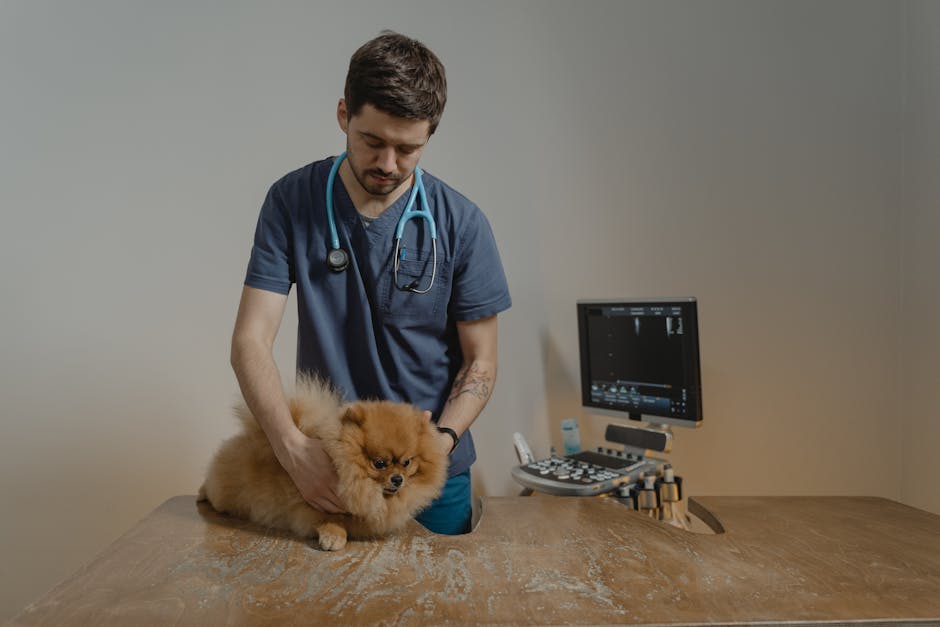
What Makes Pet Insurance for Brachycephalic Breeds a Higher Risk?
Brachycephalic breeds—think Bulldogs, Pugs, French Bulldogs, and Persian cats—are beloved for their flat faces and adorable wrinkles. However, their unique anatomy also brings a significantly higher risk of health issues, making pet insurance for brachycephalic breeds a critical consideration. Unlike other pets, these breeds are prone to respiratory problems, eye conditions, skin infections, and dental troubles. Insurers view them as high-risk, leading to higher premiums and limited coverage. Understanding these challenges helps you choose the right policy to protect your pet’s health and your wallet.
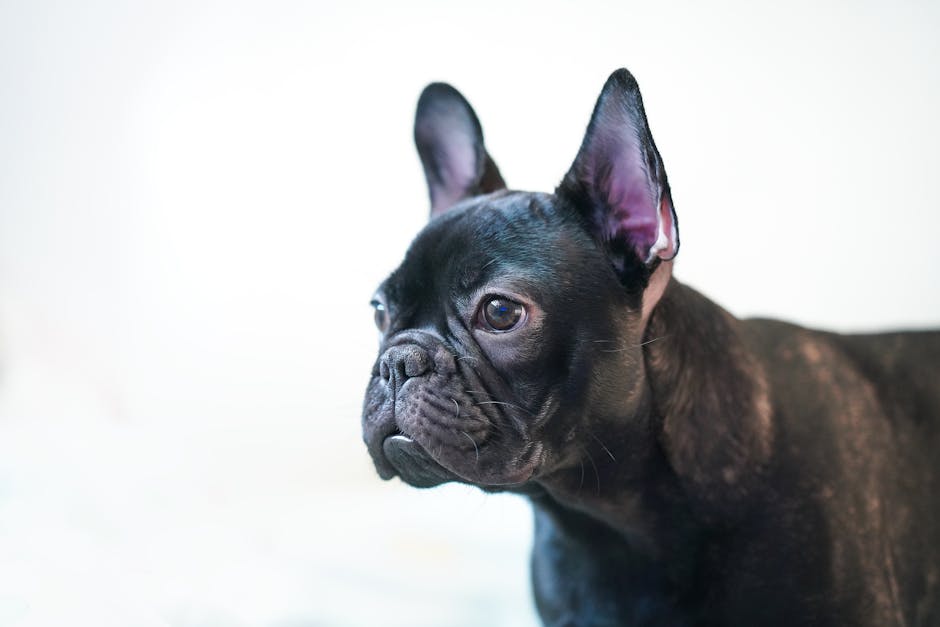
Which Brachycephalic Breeds Face the Highest Insurance Risks?
While any flat-faced dog or cat carries elevated risks, some breeds are particularly expensive to insure. Common examples include:
- English Bulldogs: Prone to BOAS (Brachycephalic Obstructive Airway Syndrome), hip dysplasia, and skin fold dermatitis.
- French Bulldogs: Susceptible to breathing issues, intervertebral disc disease, and allergies.
- Pugs: Often develop eye ulcers, respiratory infections, and obesity-related problems.
- Persian cats: Frequently suffer from polycystic kidney disease, breathing difficulties, and eye conditions.
Additionally, breeds like Boxers, Shih Tzus, and Boston Terriers also have higher risk profiles. Many insurers categorize them as “high-risk breeds” and may exclude pre-existing conditions common to these breeds.
How Does Pet Insurance for Brachycephalic Breeds Differ from Standard Policies?
Standard pet insurance often limits coverage for brachycephalic breeds due to their predictable health complications. Here’s how they differ:
- Premiums: You can expect 30-50% higher monthly premiums compared to non-brachycephalic breeds.
- Waiting periods: Some insurers impose extended waiting periods (6 months to a year) for conditions like BOAS.
- Exclusions: Many policies exclude hereditary conditions or treat them as pre-existing, especially if symptoms appear before coverage starts.
- Lifetime limits: Policies may have lower annual or lifetime coverage caps for brachycephalic breeds.
Furthermore, insurance companies might require a thorough medical history and even a vet exam before approving a policy for your flat-faced pet.
What Common Health Problems Increase Insurance Risk for These Breeds?
Brachycephalic breeds face a range of congenital issues that drive up claims. Key conditions include:
- Brachycephalic Obstructive Airway Syndrome (BOAS): Affects breathing, often requires surgery (e.g., nares resection, soft palate trimming).
- Eye problems: Cherry eye, corneal ulcers, proptosis—common in Pugs and Bulldogs.
- Skin infections: Deep facial folds trap moisture, leading to dermatitis and yeast infections.
- Dental issues: Crowded teeth cause periodontal disease and tooth loss.
- Gastrointestinal troubles: Flat-faced dogs are prone to bloat and acid reflux.
Additionally, spinal issues like intervertebral disc disease (IVDD) are common in French Bulldogs and Boston Terriers. High vet bills for these chronic or surgical conditions make insurance essential.
How Can You Find the Best Pet Insurance for Brachycephalic Breeds?
Not all pet insurance companies treat brachycephalic breeds the same. To find a policy that balances cost and coverage, follow these tips:
- Compare providers: Look for insurers that specialize in high-risk breeds. Companies like Healthy Paws, Trupanion, and Petplan have specific plans.
- Check for congenital condition coverage: Some policies exclude hereditary issues; others offer optional add-ons.
- Read the fine print: Watch for waiting periods and per-condition deductibles.
- Ask about annual limits: Higher limits ($10,000+) are better for chronic conditions.
- Consider an wellness add-on: Routine care, dental cleanings, and preventive treatments may be covered.
Moreover, get quotes early—while your pet is young and healthy—to lock in lower rates. Many insurers won’t cover conditions that appear after a certain age.
What Are the Top Pet Insurance Providers for Brachycephalic Breeds?
After researching and analyzing customer reviews, here are some recommended insurers that offer reasonable coverage for brachycephalic breeds:
| Insurer | Key Features for Brachycephalic Breeds | Average Monthly Premium (Bulldog) |
|---|---|---|
| Trupanion | Coverage for congenital conditions, no payout caps per condition, 90% reimbursement | $80–$120 |
| Healthy Paws | Unlimited lifetime benefits, optional wellness, quick claims processing | $70–$110 |
| Petplan | Hereditary condition coverage included, up to $20,000 annual limit | $65–$100 |
| Embrace | Diminishing deductible, optional dental coverage, good for chronic issues | $60–$95 |
However, always check for breed-specific exclusions. For example, some providers won’t cover BOAS surgery if the pet has a pre-existing diagnosis. Get a sample policy document before committing.
How Much Does Pet Insurance for Brachycephalic Breeds Cost on Average?
The cost varies widely based on location, age, and the insurer. For a brachycephalic breed, expect:
- Basic accident-only plan: $25–$50 per month
- Mid-range accident & illness: $60–$120 per month
- Comprehensive plan with wellness: $100–$180 per month
Furthermore, adding a “pet insurance for brachycephalic breeds” rider may increase premiums by 15-20%. Use online comparison tools to get tailored quotes. Many owners find that the cost of insurance is dwarfed by potential surgical bills (e.g., BOAS surgery can cost $3,000–$5,000).
What Should You Look for in a Policy to Manage Higher Risks?
When reviewing policies for your flat-faced pet, prioritize these features:
- Coverage for hereditary conditions: Ensure BOAS, eye problems, and skin infections aren’t excluded.
- No per-condition limits: Chronic issues need recurring treatment—per-condition caps can leave you paying out of pocket.
- High annual limit: Aim for $10,000+ to cover multiple emergencies.
- Short waiting periods: Some companies waive waiting for accidental injuries but enforce 6-month waits for genetic conditions.
- Reimbursement rate: 90% is ideal, but 80% is common; lower rates may require you to pay more upfront.
Additionally, ask about the claims process—direct pay to your vet is a huge plus. Many insurance companies now offer mobile apps for less hassle.
Can Brachycephalic Cats Also Get Pet Insurance?
Yes, brachycephalic cats like Persians and Exotic Shorthairs also benefit from insurance. These cats face similar respiratory and eye issues as dogs. However, cat insurance tends to be cheaper than dog insurance—typically $30–$60 per month for a Persian. However, breed-specific exclusions apply. For example, some policies may exclude polycystic kidney disease (common in Persians) unless you add a genetic condition rider. Always verify with the insurer.
Conclusion: Is Pet Insurance Worth It for Brachycephalic Breeds?
Pet insurance for brachycephalic breeds is not just a luxury—it’s a safeguard against high medical costs. While premiums are higher, the financial protection for common surgeries and chronic care makes it worthwhile. Start by comparing at least three providers, read policy details carefully, and enroll your pet as early as possible. With the right plan, you can focus on enjoying your flat-faced friend’s unique charm without fearing the next vet bill.