
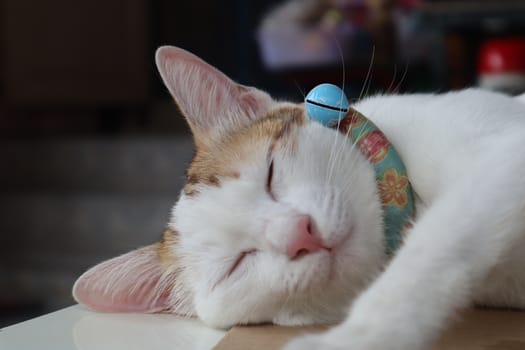
As a devoted cat owner, you want your feline friend to live a long, healthy life. One of the most critical aspects of your cat's well-being is kidney function, especially since chronic kidney disease (CKD) is common in older cats. Learning how to monitor your cat kidney health at home can help you catch early signs of trouble, potentially adding years to your cat's life. You don't need to be a vet—just observant and proactive. This guide will walk you through simple, actionable steps to track your cat's kidney health using daily observations and low-tech tools.
Why Monitoring Kidney Health is Crucial for Cats
Your cat's kidneys act as filters, removing waste from the blood, balancing fluids, and producing important hormones. When they start to fail, symptoms often go unnoticed until the disease is advanced. By monitoring your cat kidney health at home regularly, you can detect subtle changes long before a crisis. Early detection allows for interventions like dietary adjustments, hydration support, and medications that slow disease progression. Furthermore, most cats hide illness well, making at-home observations your first line of defense. Even if your cat seems fine, a consistent monitoring routine can reveal hidden problems. Additionally, regular tracking helps your veterinarian provide more targeted care if issues arise.
Key Signs of Kidney Issues You Can Observe at Home
Pay attention to these behavioral and physical changes. Not all cats show every sign, but any combination warrants closer investigation. Use a journal or app to note changes daily.
- Increased thirst and urination: Is your cat drinking noticeably more water? Are you refilling the bowl more often? Check the litter box for larger clumps or more frequent wet spots.
- Poor appetite and weight loss: Is your cat leaving food in the bowl or showing less interest in treats? Weigh your cat weekly using a baby scale. A steady decline is a red flag.
- Vomiting or bad breath: Uremic toxins can cause nausea, vomiting, and a metallic odor on the breath. Watch for undigested food or bile.
- Lethargy and hiding: Cats with kidney issues often sleep more, hide in quiet spots, or are less playful. Compare your cat's energy levels week to week.
- Poor coat condition: A dull, unkempt coat or dandruff can indicate dehydration or toxin buildup.
However, always remember that these signs are not exclusive to kidney disease. They could indicate other health problems. Use them as triggers to consult your vet rather than for self-diagnosis.
How to Track Your Cat's Hydration and Thirst Levels
Hydration is paramount for kidney health. Dehydration stresses the kidneys and accelerates damage. Here's how to monitor it effectively.
Check the Water Bowl
Measure water intake daily by marking the bowl's water level in the morning and again after 24 hours. A typical cat drinks roughly 60–80 ml per kg of body weight per day, but this varies. An increase of more than 50% compared to your cat's normal baseline is concerning. Also, note if your cat starts drinking from unusual sources like sinks or toilet bowls.
Perform a Skin Turgor Test
Gently pinch the skin between your cat's shoulder blades. In a hydrated cat, the skin snaps back instantly. If it remains tented for a second or more, your cat is likely dehydrated. This test is best done after your cat has been inactive for a while. Furthermore, check for dry gums or sunken eyes. If you notice any of these, encourage water consumption with a pet fountain or offer wet food with added water.
Monitoring Appetite, Weight, and Litter Box Habits
Your cat's daily habits provide a wealth of information. Start by weighing your cat weekly using a digital kitchen scale or a small pet scale. Record the weight in a chart. A loss of more than 1% body weight per week is significant. For a 4 kg cat, that's just 40 grams. Stick to a consistent time, like before breakfast.
Next, observe litter box behavior: scoop daily and note changes in clump size (indicating urine volume) and frequency. Use a litter that makes urine visible (e.g., clumping, unscented). A healthy cat urinates 2–4 times per day. If you see very large clumps or constant trips to the box, it suggests increased urine production, often a sign of kidney inefficiency. Additionally, note if your cat strains, yowls, or has accidents outside the box—these can indicate urinary infection, which often accompanies kidney disease.
Appetite monitoring is equally important. Keep a daily log of how much food your cat eats. If your cat normally finishes a 3-ounce can of wet food in two meals and now leaves half, that's a warning. Combine this with observation of any vomiting. Vomiting undigested food hours after eating can indicate nausea from uremia.
Simple At-Home Urine Testing Methods
While you can't perform a full blood test at home, urine testing is surprisingly easy and informative. Purchase a urine dipstick kit designed for pets from a pharmacy or online. These test for protein, glucose, pH, blood, and specific gravity. Specific gravity (SG) is the most valuable: a low SG (below 1.020) suggests the kidneys are unable to concentrate urine, which is an early marker of CKD.
To collect urine, use a clean, shallow dish or a non-absorbent litter (like plastic beads). Place the tray in the litter box and wait for your cat to use it. Alternatively, use a syringe to collect urine from a non-absorbent litter. Test the urine within 30 minutes for best results. Record the results weekly. However, note that urine test strips can be affected by diet, medications, and hydration levels. Always share your findings with your veterinarian for interpretation.
When to Consult a Veterinarian
At-home monitoring is powerful, but it is not a substitute for professional veterinary care. Contact your vet immediately if you observe any of the following:
- Sudden or significant increase in thirst or urination
- Vomiting that occurs more than once a week
- Unexplained weight loss of more than 5% in a month
- Lethargy that persists for two days
- Any signs of pain, such as hiding, hissing when touched, or a hunched posture
- Blood in the urine or difficulty urinating
Furthermore, schedule a veterinary checkup at least twice a year for cats over seven years old. Your vet will perform blood tests (including BUN, creatinine, and SDMA) and a urine culture to confirm kidney health. Provide your home monitoring logs to your vet—they help track trends and make more informed decisions.
Tools and Apps to Help You Track Kidney Health
To make your monitoring consistent and actionable, consider these tools:
- Pet weight scale: A simple kitchen scale or a dedicated pet scale (under $30).
- Urine dipstick kit: Look for brands like Canna-Pet or Combur-Test, available online.
- Pet water fountain: Encourages increased water intake, which benefits kidney health.
- Health tracking apps: Apps like PetMD, Pawprint, or a simple spreadsheet can log daily metrics. Set reminders for weekly weight checks and monthly urine tests.
Additionally, many smart litter boxes now track weight, urine frequency, and clump size. While expensive, they offer hands-off monitoring. For most owners, a simple notebook and weekly routine are equally effective.
Conclusion
Monitoring your cat's kidney health at home is an empowering way to take charge of your pet's wellness. By observing changes in thirst, urination, appetite, weight, and behavior, and by using simple tests like urine dipsticks, you can spot early signs of kidney dysfunction. This proactive approach allows for timely veterinary intervention, which can slow disease progression and improve your cat's quality of life. Start today: spend a few minutes each day observing, a few minutes each week weighing and testing, and share your records with your vet. Your cat depends on you for a voice—use these tools to be the best advocate possible.