
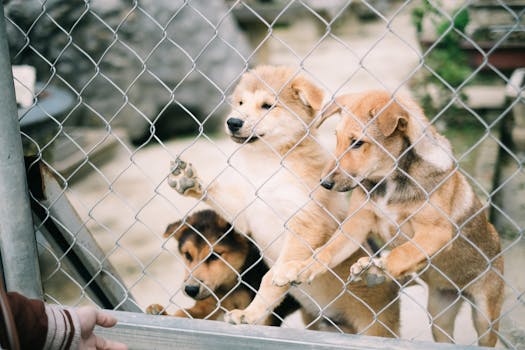
If your dog has started hacking like they have something stuck in their throat, you may be facing a case of kennel cough. This highly contagious respiratory infection spreads rapidly among dogs, especially in boarding facilities, dog parks, and grooming salons. Understanding kennel cough prevention symptoms and home care is essential for every pet parent. Early recognition and proper management can shorten recovery time and prevent complications. In this comprehensive guide, you’ll learn how to spot the signs, reduce the risk of infection, and provide effective care at home while knowing when professional veterinary help is necessary.
What Is Kennel Cough?
Kennel cough, also known as canine infectious tracheobronchitis, is a contagious respiratory disease caused by a combination of viruses and bacteria. The most common culprits include Bordetella bronchiseptica bacteria, canine parainfluenza virus, and canine adenovirus. It spreads through airborne droplets when an infected dog coughs or sneezes, or via contaminated surfaces like food bowls, bedding, and toys. Dogs of any age can contract it, but puppies, senior dogs, and those with weakened immune systems are more susceptible. The incubation period typically ranges from 2 to 14 days, and infected dogs can remain contagious for up to two weeks after symptoms subside.
Recognizing the Symptoms of Kennel Cough
Early detection of kennel cough can help you isolate your dog and begin supportive care quickly. The hallmark symptom is a persistent, dry, hacking cough often described as a “goose honk” sound. However, symptoms can vary in severity. Common signs include:
- A strong, forceful cough that may produce foamy phlegm
- Gagging or retching after coughing
- Runny nose and sneezing
- Lethargy and mild fever
- Loss of appetite
- Watery eyes
Most dogs remain active and continue eating, but if your dog seems depressed, has trouble breathing, or develops a high fever, contact your veterinarian immediately. Furthermore, keep in mind that a cough can also be caused by other conditions such as collapsing trachea, heart disease, or foreign bodies, so a proper diagnosis is important.
How to Prevent Kennel Cough
Prevention is always better than treatment, and there are several strategies you can implement to reduce your dog’s risk. Below is a list of proven prevention measures:
- Vaccinate your dog. The Bordetella vaccine is the primary shield against kennel cough. It is available as an injectable, intranasal spray, or oral liquid. Discuss with your vet which form is best for your dog’s lifestyle. While no vaccine guarantees 100% protection, it significantly reduces the severity and duration of the illness.
- Minimize exposure in high-risk areas. Avoid crowded dog parks, boarding kennels, or grooming salons during outbreaks. If you must board your dog, ensure the facility requires proof of vaccination and follows strict sanitation protocols.
- Practice good hygiene. Wash your dog’s bedding, bowls, and toys regularly with hot, soapy water. Disinfect surfaces that multiple dogs share, and wash your hands after handling other dogs.
- Boost your dog’s immune system. A balanced diet rich in antioxidants, regular exercise, and stress reduction help keep the immune system strong. Supplements like probiotics or omega-3 fatty acids may offer additional support, but consult your vet first.
Additionally, if you know a dog that has kennel cough, keep your dog away from that household for at least two weeks after symptoms stop. Because the disease can survive on surfaces for up to 48 hours, thorough cleaning is critical.
Home Care for Dogs with Kennel Cough
If your dog is diagnosed with a mild case of kennel cough, home care can help them recover comfortably. However, always confirm with your veterinarian before starting any treatment. The following tips are designed to soothe symptoms and support healing:
- Rest and isolation. Keep your dog calm and away from other pets. Limit walks to short, leashed potty breaks to avoid overexertion.
- Use a humidifier. Moist air can ease coughing. Place a cool-mist humidifier near your dog’s sleeping area or let them sit in a steamy bathroom for 10–15 minutes several times a day.
- Offer honey. A teaspoon of raw honey (for medium to large dogs; half teaspoon for small dogs) can soothe the throat. Do not give honey to puppies under one year old or diabetic dogs.
- Keep your dog hydrated. Encourage water intake by offering ice cubes or low-sodium chicken broth. Hydration thins mucus and reduces irritation.
- Use a harness instead of a collar. A collar puts pressure on the trachea and can worsen coughing. Switch to a harness during walks.
- Avoid cough suppressants. Over-the-counter human cough medicines can be dangerous for dogs. Never medicate without veterinary guidance.
Most mild cases resolve on their own within one to three weeks. However, if your dog’s cough persists longer than 7 days or seems to be getting worse, consult your vet. Also, ensure your dog finishes any prescribed antibiotics if a bacterial infection is suspected.
When to Consult a Veterinarian
While many dogs recover with home care alone, some situations require immediate veterinary attention. Contact your veterinarian if you notice any of the following:
- Coughing that becomes more frequent or violent
- Difficulty breathing, rapid breathing, or blue-tinged gums
- High fever (over 103°F or 39.4°C)
- Refusal to eat or drink for more than 24 hours
- Thick, greenish or bloody nasal discharge
- Lethargy that worsens for more than two days
- If your dog is a puppy, senior, or has pre-existing health issues (e.g., heart disease, collapsed trachea)
In severe cases, kennel cough can progress to pneumonia, which may require hospitalization, oxygen therapy, or intravenous fluids. Early intervention is key to preventing complications. Your vet may perform chest X-rays, blood tests, or a tracheal wash to rule out other conditions and confirm the diagnosis.
Conclusion
Kennel cough is a common but manageable condition when caught early. By focusing on kennel cough prevention symptoms and home care, you can protect your dog from unnecessary discomfort and reduce the spread to other pets. Vaccination, good hygiene, and limiting exposure in high-risk settings form the foundation of prevention. If your dog does become infected, supportive home care—such as rest, humidity, and hydration—often leads to a full recovery. Always stay alert for warning signs that require veterinary help, and never hesitate to reach out to your vet for guidance. With the right knowledge and proactive steps, you can keep your canine companion healthy and happy.