
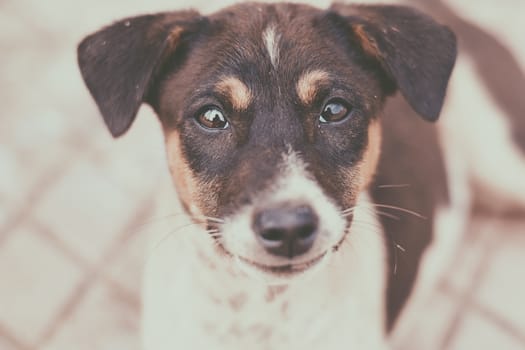
Does your dog seem to be squinting, pawing at their eyes, or have unusual discharge? Recognizing the early signs of eye problems in dogs can make a significant difference in preserving your pet’s vision and comfort. As a devoted pet parent, it is crucial to understand what to look for, what causes these issues, and how to address them effectively. This comprehensive guide covers the most common signs, causes, and treatments for canine eye conditions, helping you take prompt action when your furry friend needs it most.
Common Signs of Eye Problems in Dogs
Dogs cannot tell us when something is wrong, so we must rely on behavioral and physical changes. The earlier you spot an issue, the better the outcome. Here are the most frequent warning signs:
- Squinting or blinking excessively – often indicates pain, irritation, or sensitivity to light.
- Redness or swelling – especially around the eyelids or the white of the eye.
- Excessive tearing or discharge – clear, yellow, or green discharge can signal infection or blockage.
- Cloudiness or changes in eye color – may point to cataracts, glaucoma, or corneal damage.
- Pawing at the eye – a common response to pain or itching.
- Difficulty seeing or bumping into objects – suggests vision loss.
- Bulging eye or asymmetry – can indicate glaucoma or a tumor behind the eye.
- Rubbing face on furniture or carpet – another sign of ocular discomfort.
If you notice any of these signs, it is essential to consult a veterinarian promptly. Many eye conditions worsen quickly, and early intervention can prevent permanent damage.
Causes of Eye Problems in Dogs
Eye problems in dogs can stem from a variety of causes, ranging from genetics to environmental factors. Understanding the underlying triggers helps in both treatment and prevention.
Genetic Predispositions
Certain breeds are more prone to specific eye conditions. For example, brachycephalic breeds like Pugs, Bulldogs, and Shih Tzus often suffer from proptosis (eye displacement) and dry eye due to shallow eye sockets. Similarly, Cocker Spaniels, Labrador Retrievers, and Siberian Huskies have higher rates of cataracts and progressive retinal atrophy.
Infections and Allergies
Bacterial, viral, or fungal infections can cause conjunctivitis (pink eye) or keratitis. Allergies to pollen, dust, or food can lead to red, itchy eyes and excessive tearing. Furthermore, foreign bodies like grass seeds or dust can lodge under the eyelid, causing irritation and secondary infections.
Trauma and Injury
Physical trauma from fights, scratches, or blunt objects can damage the cornea, lens, or internal structures. Even a minor scratch can lead to a corneal ulcer, which is very painful and requires immediate veterinary attention.
Age-Related Changes
Senior dogs often develop cataracts or glaucoma. While nuclear sclerosis (a normal aging change) makes the eye look cloudy, it does not affect vision significantly. However, true cataracts can cause blindness if left untreated.
Systemic Diseases
Conditions like diabetes, high blood pressure, or autoimmune disorders can manifest as eye problems. Diabetic dogs are especially at risk for cataracts, which can develop very rapidly.
Common Eye Conditions in Dogs
Below are some of the most frequently diagnosed eye conditions, along with their key features and typical treatments.
Conjunctivitis (Pink Eye)
Inflammation of the conjunctiva, the pink membrane lining the eyelids. It can be caused by allergies, infections, or irritants. Symptoms include redness, swelling, discharge, and squinting. Treatment usually involves medicated eye drops or ointments. For allergic conjunctivitis, antihistamines or corticosteroids may be prescribed.
Cataracts
A cataract is a clouding of the lens inside the eye, leading to a white or bluish appearance. Genetics, diabetes, and age are common causes. Surgery is the only definitive treatment, where the clouded lens is removed and replaced with an artificial one. Untreated cataracts can cause glaucoma and blindness.
Glaucoma
Increased pressure within the eye damages the optic nerve. Symptoms include bulging eye, redness, cloudy cornea, and severe pain. Glaucoma can be primary (genetic) in breeds like Basset Hounds and Beagles, or secondary to other eye diseases. Emergency treatment involves pressure-lowering medications or surgery. Without prompt care, vision loss can be permanent within hours.
Cherry Eye
Prolapse of the third eyelid gland, resulting in a red, fleshy mass in the inner corner of the eye. It is common in young dogs of certain breeds (e.g., Bulldogs, Beagles, Cocker Spaniels). Treatment typically involves surgical repositioning of the gland. Early intervention is important to prevent dry eye.
Dry Eye (Keratoconjunctivitis Sicca)
Insufficient tear production leads to dry, irritated, and painful eyes. It is often immune‑mediated but can also be caused by certain medications. Symptoms include thick, sticky discharge, redness, and corneal ulcers. Treatment includes artificial tears, immune‑modulating drops (cyclosporine), and sometimes antibiotics. Lifelong management is usually required.
Corneal Ulcer
A scratch or erosion on the cornea, often caused by trauma or infection. Symptoms include intense pain, squinting, tearing, and a cloudy spot on the eye. Veterinary diagnosis uses a fluorescein stain. Treatment ranges from antibiotic drops and pain relief to surgery for deep ulcers. Severe ulcers can lead to perforation and blindness.
When to See a Veterinarian
Not every eye issue requires an emergency visit, but some situations demand immediate attention. Contact your vet or an emergency animal hospital if your dog experiences:
- Sudden onset of squinting or holding the eye closed
- Visible injury or penetration of the eye
- Bulging eye or significant asymmetry
- Blood in the eye (hyphema)
- Loss of vision (e.g., bumping into walls)
- Excessive pawing at the eye (risk of self‑injury)
- Green or yellow discharge accompanied by lethargy or fever
Even mild symptoms that persist for more than 24 hours warrant a veterinary check‑up. Many eye problems are easier to treat when caught early.
Treatment Options for Eye Problems in Dogs
Treatment varies widely depending on the specific diagnosis and severity. Here is an overview of common approaches:
- Topical medications – Antibiotic, antifungal, or anti‑inflammatory drops/ointments are used for infections, allergies, and inflammation.
- Oral medications – Antibiotics, pain relievers, or pressure‑lowering drugs may be prescribed for systemic conditions or glaucoma.
- Lubricants and artificial tears – Essential for dry eye, they help keep the eye moist and comfortable.
- Surgery – Required for cataracts, cherry eye, deep corneal ulcers, lens luxation, and some tumors.
- Laser therapy – Used in certain glaucoma cases to reduce fluid production.
- Eyelid surgery – Corrects entropion (inward‑rolling lids) or ectropion (outward‑rolling lids) that cause chronic irritation.
Your veterinarian will recommend the most suitable treatment plan. Always follow instructions exactly, and never use human eye drops on your dog without veterinary approval, as some ingredients can be toxic.
Prevention Tips for Healthy Dog Eyes
While not all eye problems can be prevented, these steps can reduce risks and promote overall eye health:
- Regular grooming – Keep hair around the eyes trimmed to prevent irritation and infection. Use blunt‑tipped scissors and be careful near the eyes.
- Clean eye area daily – Gently wipe away discharge with a soft, damp cloth. Use a separate cloth for each eye to avoid cross‑contamination.
- Protect from irritants – When walking in dusty or windy areas, consider goggles designed for dogs. Avoid using harsh chemicals near your dog’s face.
- Provide a balanced diet – Omega‑3 fatty acids, antioxidants like lutein and vitamin C, and taurine support eye health. Consult your vet about supplements if needed.
- Routine vet check‑ups – Annual or bi‑annual exams include a thorough eye evaluation. Senior dogs or breeds prone to eye issues may need more frequent checks.
- Be alert to changes – Monitor your dog’s eyes daily. Early detection of subtle changes can save your pet’s vision.
- Limit UV exposure – Prolonged sunlight can contribute to cataracts and other conditions. Provide shade and avoid walking during peak sun hours.
Additionally, avoid using cotton swabs or any sharp objects near the eyes. If your dog has a known eye problem, follow your vet’s long‑term management plan diligently.
Conclusion
Eye problems in dogs range from minor irritations to emergencies that require immediate care. By familiarizing yourself with the common signs, causes, and treatments, you become a proactive partner in your dog’s well‑being. Remember, when in doubt, always consult a veterinarian—early intervention is the single most important factor in preserving your dog’s eyesight and quality of life. Keep a close eye on your canine companion, and don’t hesitate to seek professional help at the first sign of trouble.