

Grooming

How to Clean Dog Ears with Natural Home Solutions

How to Clean Dog Ears with Natural Home Solutions

Keeping your dog's ears clean is an essential part of their grooming routine, but many pet owners worry about harsh chemicals in commercial products. That's where learning how to clean dog ears naturally with homemade solutions comes in—it's gentle, effective, and easy to do at home. In this guide, we'll walk you through every step, from gathering supplies to post-cleaning care, ensuring your furry friend stays healthy and comfortable.
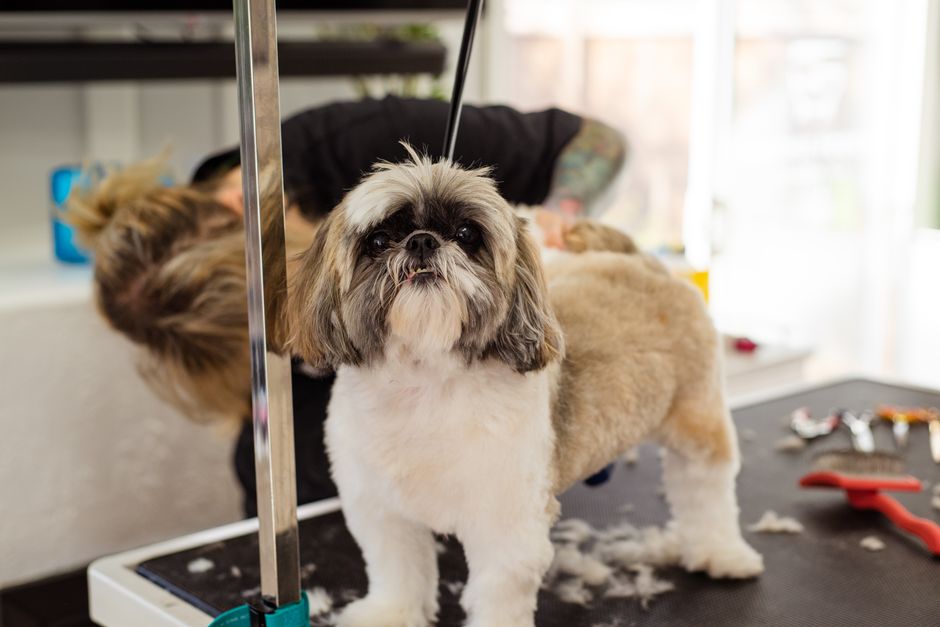
Why Clean Your Dog's Ears Naturally?

Why Clean Your Dog's Ears Naturally?

Natural ear cleaning solutions avoid alcohol, hydrogen peroxide, and artificial fragrances that can irritate sensitive ear canals. Instead, ingredients like apple cider vinegar, witch hazel, and aloe vera help prevent infections while soothing inflammation. Furthermore, using natural remedies reduces the risk of allergic reactions and is cost-effective. Dogs with floppy ears (e.g., Cocker Spaniels, Basset Hounds) are prone to moisture buildup and yeast infections, making regular cleaning crucial. However, over-cleaning can strip beneficial oils, so balance is key. Always check with your vet before starting any new routine, especially if your dog has a history of ear problems.

What Supplies Do You Need?

What Supplies Do You Need?

Before you begin cleaning your dog's ears naturally, gather these supplies:

  • Organic apple cider vinegar (raw, unfiltered)
  • Witch hazel (alcohol-free if possible)
  • Distilled or boiled (cooled) water
  • Soft cotton balls or gauze pads
  • Small bowl or cup for mixing
  • Treats for positive reinforcement
Additionally, avoid using cotton swabs (Q-tips) as they can push debris deeper or damage the eardrum. A clean towel may also be handy for drying.

How to Prepare the Natural Ear Cleaning Solution?

Creating a safe and effective solution is simple. Mix equal parts apple cider vinegar and distilled water in a small container. For sensitive ears, you can dilute further (2 parts water to 1 part vinegar). Apple cider vinegar's acidity helps combat yeast and bacteria while drying excess moisture. Alternatively, you can use a 50/50 blend of witch hazel and water—witch hazel is a natural astringent that reduces swelling and fights infection. Stir gently and let it reach room temperature before use. Do not refrigerate, as cold liquid can cause dizziness when applied.

How to Apply the Solution Safely?

Follow these numbered steps for a stress-free experience:

  1. Gently restrain your dog or ask a helper to hold them calmly.
  2. Dip a cotton ball in the solution—do not soak it completely.
  3. Lift the ear flap and squeeze a few drops of the solution directly into the ear canal (if using a dropper), or wipe the visible part of the ear with the damp cotton ball.
  4. Massage the base of the ear for 30 seconds to loosen debris—you'll hear a squishing sound.
  5. Let your dog shake its head; this helps expel loosened dirt and solution.
  6. Use a fresh dry cotton ball to wipe away any remaining moisture and debris from the outer ear.
Repeat on the other side. Always praise and treat your dog for cooperation.

What to Do After Cleaning?

After cleaning your dog's ears naturally, allow them to air dry for a few minutes. You can dab the ear flap with a soft cloth to absorb any leftover moisture. Monitor for signs of irritation, such as excessive scratching, redness, or discharge. If your dog seems uncomfortable, stop the routine and consult your vet. Additionally, proper drying is crucial—damp ears can encourage yeast growth. For dogs that swim or bathe frequently, consider a gentle drying agent like a few drops of aloe vera gel. Remember to clean any ear-cleaning tools with soap and water.

How Often Should You Clean Your Dog's Ears?

Most dogs benefit from natural ear cleaning once every 2–4 weeks. However, frequency depends on breed, activity level, and ear health. For instance, dogs with allergies may need weekly cleaning, while those with healthy upright ears can go longer. Always check your dog's ears weekly for signs of dirt, odor, or redness. Use this simple schedule as a guide:

Ear TypeRecommended Frequency
Floppy ears (e.g., Labrador, Golden Retriever)Every 1–2 weeks
Upright ears (e.g., German Shepherd, Siberian Husky)Every 3–4 weeks
Hairy ear canals (e.g., Poodle, Schnauzer)Every 2–3 weeks
Adjust as needed and always follow your vet's advice.

When to Consult a Vet?

Even with natural solutions, some ear problems require professional attention. If you notice any of the following, schedule a vet visit immediately:

  • Persistent foul smell despite cleaning
  • Dark, coffee-ground-like discharge (ear mites)
  • Swelling, pain, or bleeding
  • Head tilting or loss of balance
  • No improvement after a week of home cleaning
These signs may indicate infections, foreign bodies, or underlying allergies that need prescription treatment. Never attempt to treat severe conditions at home.

Conclusion

Learning how to clean dog ears naturally empowers you to maintain your pet's ear health without harsh chemicals. By using simple ingredients, following proper technique, and staying attentive to your dog's reactions, you can prevent many common ear issues. However, always prioritize your dog's comfort and consult a veterinarian if problems persist. With this natural approach, your dog's ears will stay clean, dry, and happy!

Share: Facebook Twitter Pinterest

SWT Pal Pet

Pet Care Expert

Expert in pet care with years of experience helping pet owners make informed decisions about their furry friends.

← Previous How to Groom a Cat That Hates Being Brushed Next → Professional Cat Grooming What to Expect and Cost
We use cookie to improve your online experience. By continuing to browse this website, you agree to our use of cookie.

Cookies

Please read our Terms and Conditions and this Policy before accessing or using our Services. If you cannot agree with this Policy or the Terms and Conditions, please do not access or use our Services. If you are located in a jurisdiction outside the European Economic Area, by using our Services, you accept the Terms and Conditions and accept our privacy practices described in this Policy.
We may modify this Policy at any time, without prior notice, and changes may apply to any Personal Information we already hold about you, as well as any new Personal Information collected after the Policy is modified. If we make changes, we will notify you by revising the date at the top of this Policy. We will provide you with advanced notice if we make any material changes to how we collect, use or disclose your Personal Information that impact your rights under this Policy. If you are located in a jurisdiction other than the European Economic Area, the United Kingdom or Switzerland (collectively “European Countries”), your continued access or use of our Services after receiving the notice of changes, constitutes your acknowledgement that you accept the updated Policy. In addition, we may provide you with real time disclosures or additional information about the Personal Information handling practices of specific parts of our Services. Such notices may supplement this Policy or provide you with additional choices about how we process your Personal Information.


Cookies

Cookies are small text files stored on your device when you access most Websites on the internet or open certain emails. Among other things, Cookies allow a Website to recognize your device and remember if you've been to the Website before. Examples of information collected by Cookies include your browser type and the address of the Website from which you arrived at our Website as well as IP address and clickstream behavior (that is the pages you view and the links you click).We use the term cookie to refer to Cookies and technologies that perform a similar function to Cookies (e.g., tags, pixels, web beacons, etc.). Cookies can be read by the originating Website on each subsequent visit and by any other Website that recognizes the cookie. The Website uses Cookies in order to make the Website easier to use, to support a better user experience, including the provision of information and functionality to you, as well as to provide us with information about how the Website is used so that we can make sure it is as up to date, relevant, and error free as we can. Cookies on the Website We use Cookies to personalize your experience when you visit the Site, uniquely identify your computer for security purposes, and enable us and our third-party service providers to serve ads on our behalf across the internet.

We classify Cookies in the following categories:
 ●  Strictly Necessary Cookies
 ●  Performance Cookies
 ●  Functional Cookies
 ●  Targeting Cookies


Cookie List
A cookie is a small piece of data (text file) that a website – when visited by a user – asks your browser to store on your device in order to remember information about you, such as your language preference or login information. Those cookies are set by us and called first-party cookies. We also use third-party cookies – which are cookies from a domain different than the domain of the website you are visiting – for our advertising and marketing efforts. More specifically, we use cookies and other tracking technologies for the following purposes:

Strictly Necessary Cookies
These cookies are necessary for the website to function and cannot be switched off in our systems. They are usually only set in response to actions made by you which amount to a request for services, such as setting your privacy preferences, logging in or filling in forms. You can set your browser to block or alert you about these cookies, but some parts of the site will not then work. These cookies do not store any personally identifiable information.

Functional Cookies
These cookies enable the website to provide enhanced functionality and personalisation. They may be set by us or by third party providers whose services we have added to our pages. If you do not allow these cookies then some or all of these services may not function properly.

Performance Cookies
These cookies allow us to count visits and traffic sources so we can measure and improve the performance of our site. They help us to know which pages are the most and least popular and see how visitors move around the site. All information these cookies collect is aggregated and therefore anonymous. If you do not allow these cookies we will not know when you have visited our site, and will not be able to monitor its performance.

Targeting Cookies
These cookies may be set through our site by our advertising partners. They may be used by those companies to build a profile of your interests and show you relevant adverts on other sites. They do not store directly personal information, but are based on uniquely identifying your browser and internet device. If you do not allow these cookies, you will experience less targeted advertising.

How To Turn Off Cookies
You can choose to restrict or block Cookies through your browser settings at any time. Please note that certain Cookies may be set as soon as you visit the Website, but you can remove them using your browser settings. However, please be aware that restricting or blocking Cookies set on the Website may impact the functionality or performance of the Website or prevent you from using certain services provided through the Website. It will also affect our ability to update the Website to cater for user preferences and improve performance. Cookies within Mobile Applications

We only use Strictly Necessary Cookies on our mobile applications. These Cookies are critical to the functionality of our applications, so if you block or delete these Cookies you may not be able to use the application. These Cookies are not shared with any other application on your mobile device. We never use the Cookies from the mobile application to store personal information about you.

If you have questions or concerns regarding any information in this Privacy Policy, please contact us by email at . You can also contact us via our customer service at our Site.