
Vet Tips

How to Check Your Dog Vital Signs at Home

How to Check Your Dog Vital Signs at Home

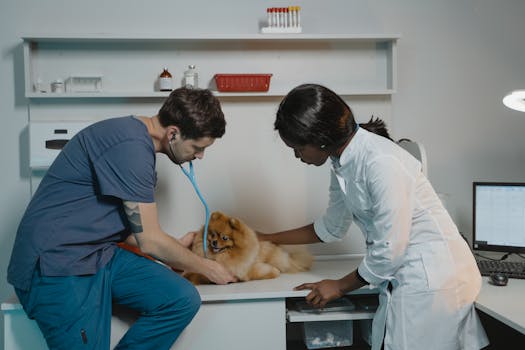
As a devoted pet parent, you want to ensure your furry friend stays healthy between vet visits. Knowing how to check your dog vital signs at home empowers you to detect early warning signs and respond promptly in an emergency. By monitoring temperature, heart rate, respiratory rate, and other key indicators, you can become your dog’s first line of defense. This step-by-step guide will teach you exactly what to measure, how to do it safely, and when to call your veterinarian.

Why Monitoring Vital Signs Matters

Your dog cannot tell you when something feels off. Vital signs serve as objective windows into their internal health. Changes in temperature, pulse, or breathing can signal infection, pain, dehydration, or even life-threatening conditions like heatstroke or heart disease. Furthermore, having baseline numbers for your healthy dog makes it easier to spot abnormalities later. However, keep in mind that normal ranges vary by breed, age, and size. Always consult your vet if readings fall outside expected parameters.

Materials and Tools You’ll Need

Before you begin, gather these essential items. Using the right equipment ensures accurate readings and minimizes stress for your dog.

  • Digital rectal thermometer (preferably one with a flexible tip and fast reading)
  • Pet-safe lubricant or petroleum jelly (for thermometer insertion)
  • Stopwatch or timer on your phone
  • Stethoscope (optional, but helpful for listening to heart and lungs)
  • Notepad and pen (to record values)
  • Treats and calming aids (to keep your dog relaxed)

Additionally, have a towel or blanket ready to help restrain your dog gently if needed. Always wash your hands before and after handling your dog’s vital signs to prevent infection.

Step 1: Take Your Dog’s Temperature

A dog’s normal body temperature ranges from 101°F to 102.5°F (38.3°C to 39.2°C). Temperatures above 103°F or below 100°F warrant veterinary attention. Here’s how to do it correctly:

  1. Shake the digital thermometer to ensure it’s reset (if it’s not an instant-read model).
  2. Apply a generous amount of lubricant to the tip.
  3. Gently lift your dog’s tail and insert the thermometer about one inch into the rectum. Hold it in place at a slight angle until it beeps (usually 10–60 seconds).
  4. Remove, read the display, and record the temperature.

Many dogs dislike this procedure. Go slowly, use a calm voice, and offer treats throughout. If your dog resists excessively, consult your vet for alternative methods (e.g., ear thermometer designed for dogs, though less accurate).

Step 2: Check the Heart Rate (Pulse)

An adult dog’s resting heart rate typically ranges from 60 to 140 beats per minute (bpm). Smaller breeds and puppies tend to have faster pulses; large dogs are slower. To measure:

Place your hand on your dog’s left side, just behind the elbow, where you can feel the heartbeat. Alternatively, you can press gently on the femoral artery located on the inner thigh, near the groin. Count the beats for 15 seconds using your timer, then multiply by 4 to get beats per minute. For example, 20 beats in 15 seconds equals 80 bpm.

Remember that excitement, fear, or recent exercise can temporarily elevate heart rate. Always measure when your dog is calm and resting for the most accurate baseline. A stethoscope can help you hear the heartbeat more clearly, but the hand method works well too.

Step 3: Count the Respiratory Rate

Normal breathing for a relaxed dog is 10 to 30 breaths per minute. Puppies and small breeds may breathe faster. Watch your dog’s chest or flank rise and fall—one breath equals one inhale and one exhale. Set your timer for 30 seconds and count the breaths, then multiply by 2. Alternatively, count for a full minute.

Be mindful of signs of respiratory distress: labored breathing, blue gums, excessive panting when at rest, or shallow breaths. If you observe any of these, seek veterinary care immediately. Additionally, note that rapid breathing can also result from pain, fever, or anxiety. Record your findings alongside other vital signs.

Step 4: Assess Capillary Refill Time (CRT)

This test evaluates blood circulation and hydration. A normal CRT in dogs is 1 to 2 seconds. To perform:

  • Lift your dog’s upper lip and press your finger firmly against the gum (above a tooth).
  • Release and watch how quickly the white spot returns to pink.
  • Time it with your stopwatch. If it takes longer than 2 seconds, your dog may be dehydrated, in shock, or have circulatory issues.

Gums that are pale, blue, or bright red also indicate problems. Combine this with other vital signs for a fuller picture.

Step 5: Check Hydration Status (Skin Tent Test)

Dehydration is common in dogs, especially during hot weather or illness. Gently pinch the skin between your dog’s shoulder blades and lift it up. In a well-hydrated dog, the skin should snap back immediately. If it tents (stays up) for more than a second or two, your dog is likely dehydrated. Also check for dry or sticky gums, sunken eyes, or listlessness. Offer fresh water and contact your vet if dehydration persists.

Step 6: Evaluate Mucous Membranes and Gum Color

Healthy gums should be moist and pink. Lift your dog’s lip to inspect. Dark or black pigmentation is normal in some breeds, but the actual tissue beneath should still pink. Signs to watch for:

  • Pale or white: anemia, shock, or blood loss
  • Blue or purple: oxygen deficiency (cyanosis)
  • Bright red: fever, heatstroke, or carbon monoxide poisoning
  • Yellow (jaundice): liver or gallbladder issues

If you notice any abnormal color, note it down and seek veterinary advice promptly.

When to Contact Your Veterinarian

Having a record of your dog’s normal vital signs is invaluable. However, you should always consult a professional if any measurement is outside the normal range, especially if accompanied by symptoms like vomiting, diarrhea, collapse, or extreme lethargy. Additionally, if you’re ever unsure about a reading or technique, call your vet’s office. Some clinics offer phone triage to help you decide if an emergency visit is needed.

Keep in mind that a single abnormal reading might be due to stress or error—repeat the check after 15–30 minutes if your dog seems otherwise well. But persistent or combined abnormalities warrant immediate action.

Conclusion

Learning how to check your dog vital signs at home gives you confidence and helps you catch problems early. With a thermometer, a timer, and a gentle approach, you can monitor temperature, heart rate, breathing, circulation, and hydration. Remember to stay calm, reward your dog, and always partner with your veterinarian for any health concerns. Make it a habit to record baseline values once a month, and you’ll be prepared to act fast when every minute counts.

Share: Facebook Twitter Pinterest

Pet Care Team

Pet Care Expert

Expert in pet care with years of experience helping pet owners make informed decisions about their furry friends.

← Previous Joint Pain in Dogs Causes Diagnosis and Treatment Options Next → Allergies in Dogs Types Symptoms and Treatment Approaches
We use cookie to improve your online experience. By continuing to browse this website, you agree to our use of cookie.

Cookies

Please read our Terms and Conditions and this Policy before accessing or using our Services. If you cannot agree with this Policy or the Terms and Conditions, please do not access or use our Services. If you are located in a jurisdiction outside the European Economic Area, by using our Services, you accept the Terms and Conditions and accept our privacy practices described in this Policy.
We may modify this Policy at any time, without prior notice, and changes may apply to any Personal Information we already hold about you, as well as any new Personal Information collected after the Policy is modified. If we make changes, we will notify you by revising the date at the top of this Policy. We will provide you with advanced notice if we make any material changes to how we collect, use or disclose your Personal Information that impact your rights under this Policy. If you are located in a jurisdiction other than the European Economic Area, the United Kingdom or Switzerland (collectively “European Countries”), your continued access or use of our Services after receiving the notice of changes, constitutes your acknowledgement that you accept the updated Policy. In addition, we may provide you with real time disclosures or additional information about the Personal Information handling practices of specific parts of our Services. Such notices may supplement this Policy or provide you with additional choices about how we process your Personal Information.


Cookies

Cookies are small text files stored on your device when you access most Websites on the internet or open certain emails. Among other things, Cookies allow a Website to recognize your device and remember if you've been to the Website before. Examples of information collected by Cookies include your browser type and the address of the Website from which you arrived at our Website as well as IP address and clickstream behavior (that is the pages you view and the links you click).We use the term cookie to refer to Cookies and technologies that perform a similar function to Cookies (e.g., tags, pixels, web beacons, etc.). Cookies can be read by the originating Website on each subsequent visit and by any other Website that recognizes the cookie. The Website uses Cookies in order to make the Website easier to use, to support a better user experience, including the provision of information and functionality to you, as well as to provide us with information about how the Website is used so that we can make sure it is as up to date, relevant, and error free as we can. Cookies on the Website We use Cookies to personalize your experience when you visit the Site, uniquely identify your computer for security purposes, and enable us and our third-party service providers to serve ads on our behalf across the internet.

We classify Cookies in the following categories:
 â—  Strictly Necessary Cookies
 â—  Performance Cookies
 â—  Functional Cookies
 â—  Targeting Cookies


Cookie List
A cookie is a small piece of data (text file) that a website – when visited by a user – asks your browser to store on your device in order to remember information about you, such as your language preference or login information. Those cookies are set by us and called first-party cookies. We also use third-party cookies – which are cookies from a domain different than the domain of the website you are visiting – for our advertising and marketing efforts. More specifically, we use cookies and other tracking technologies for the following purposes:

Strictly Necessary Cookies
These cookies are necessary for the website to function and cannot be switched off in our systems. They are usually only set in response to actions made by you which amount to a request for services, such as setting your privacy preferences, logging in or filling in forms. You can set your browser to block or alert you about these cookies, but some parts of the site will not then work. These cookies do not store any personally identifiable information.

Functional Cookies
These cookies enable the website to provide enhanced functionality and personalisation. They may be set by us or by third party providers whose services we have added to our pages. If you do not allow these cookies then some or all of these services may not function properly.

Performance Cookies
These cookies allow us to count visits and traffic sources so we can measure and improve the performance of our site. They help us to know which pages are the most and least popular and see how visitors move around the site. All information these cookies collect is aggregated and therefore anonymous. If you do not allow these cookies we will not know when you have visited our site, and will not be able to monitor its performance.

Targeting Cookies
These cookies may be set through our site by our advertising partners. They may be used by those companies to build a profile of your interests and show you relevant adverts on other sites. They do not store directly personal information, but are based on uniquely identifying your browser and internet device. If you do not allow these cookies, you will experience less targeted advertising.

How To Turn Off Cookies
You can choose to restrict or block Cookies through your browser settings at any time. Please note that certain Cookies may be set as soon as you visit the Website, but you can remove them using your browser settings. However, please be aware that restricting or blocking Cookies set on the Website may impact the functionality or performance of the Website or prevent you from using certain services provided through the Website. It will also affect our ability to update the Website to cater for user preferences and improve performance. Cookies within Mobile Applications

We only use Strictly Necessary Cookies on our mobile applications. These Cookies are critical to the functionality of our applications, so if you block or delete these Cookies you may not be able to use the application. These Cookies are not shared with any other application on your mobile device. We never use the Cookies from the mobile application to store personal information about you.

If you have questions or concerns regarding any information in this Privacy Policy, please contact us by email at . You can also contact us via our customer service at our Site.