
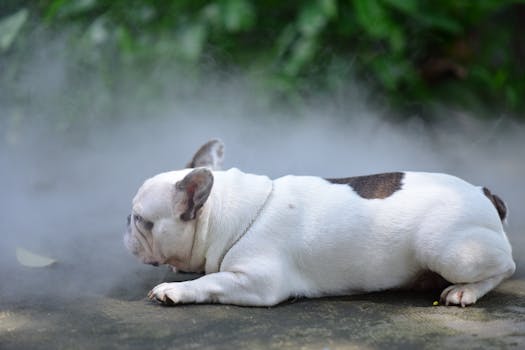
If you share your home with a flat-faced dog like a French Bulldog, Pug, or English Bulldog, you’ve likely noticed some snorting, snoring, or heavy breathing. While these sounds may seem endearing, they often signal serious respiratory issues in flat-faced brachycephalic dogs. This condition, known as Brachycephalic Obstructive Airway Syndrome (BOAS), affects up to 50% of brachycephalic breeds and can significantly impact their quality of life. Understanding the causes, recognizing warning signs, and knowing how to help your dog breathe easier are essential steps every owner should take.
Understanding Brachycephalic Airway Syndrome
Brachycephalic dogs have been selectively bred for their short, flattened skulls. While this gives them their signature adorable appearance, it also leads to a set of anatomical abnormalities that obstruct normal breathing. The term “brachycephalic” literally means “short-headed,” and these structural changes affect the entire respiratory tract.
Key components of BOAS include elongated soft palate, stenotic nares (narrowed nostrils), everted laryngeal saccules, and a hypoplastic trachea (underdeveloped windpipe). When these issues combine, the airway becomes partially blocked, making each breath a struggle. Furthermore, the heat and humidity of summer can worsen these problems because brachycephalic dogs are inefficient at panting—their primary cooling method.
It’s important to realize that not all snorting is normal. While some dogs have mild symptoms, others experience severe respiratory distress. Consequently, early intervention and proactive management are critical to prevent long-term damage to the heart and lungs.
Common Signs and Symptoms of Respiratory Distress
Recognizing the early signs of respiratory issues can help you seek veterinary care before a crisis occurs. Below are the most common indicators that your flat-faced dog is struggling to breathe:
- Loud, raspy snoring or snorting sounds when awake or asleep
- Open-mouth breathing or excessive panting, even at rest
- Gagging, choking, or vomiting after eating or drinking
- Blue-tinged gums or tongue (cyanosis) – a medical emergency
- Exercise intolerance – tiring quickly on short walks
- Collapsing or fainting after excitement or mild exertion
Additionally, some dogs may show behavioral changes such as anxiety, restlessness, or reluctance to lie down. If you notice any of these signs, especially if they are worsening, schedule a veterinary exam promptly. Keep in mind that obesity can amplify these symptoms, so maintaining a healthy weight is a vital part of managing BOAS.
Breeds Most at Risk
While any short-faced breed can develop respiratory issues, certain breeds are disproportionately affected. The most commonly affected dogs include French Bulldogs, English Bulldogs, Pugs, Boston Terriers, Boxers, Shih Tzus, and Cavalier King Charles Spaniels. However, even mixed-breed dogs with brachycephalic traits may struggle with breathing.
Among these, studies show that French Bulldogs and English Bulldogs have the highest incidence of severe BOAS, with up to 60% of individuals requiring surgical intervention at some point. Pugs, on the other hand, often have less severe narrowing of the nostrils but frequently suffer from elongated soft palates. Additionally, Boxers are prone to laryngeal collapse, which can be life-threatening if untreated. Therefore, if you own one of these breeds, it’s wise to be extra vigilant about respiratory health from puppyhood onward.
Diagnosis and Veterinary Care
If you suspect your dog has respiratory issues, a thorough veterinary evaluation is necessary. The diagnosis typically begins with a physical exam, where the vet will listen to breathing sounds and check nostril width. However, definitive diagnosis often requires advanced imaging.
Common diagnostic tools include:
- Radiographs (X-rays): To assess the trachea, lungs, and heart for secondary changes.
- Laryngoscopy: A procedure performed under light sedation to examine the larynx and soft palate.
- CT scan: Provides 3D images of the entire airway to identify obstructions.
Additionally, blood tests may be performed to rule out underlying infections or heart disease. Based on the findings, your veterinarian will grade the severity of BOAS and recommend a treatment plan. For mild cases, lifestyle management may suffice, but moderate to severe cases often benefit from surgical correction. Remember, never attempt to force your dog to exercise if they are struggling to breathe—this can lead to a life-threatening emergency.
Actionable Tips for Managing Breathing Issues at Home
While veterinary care is essential, there are many practical steps you can take at home to improve your dog’s respiratory comfort. These tips can reduce the frequency and severity of breathing episodes:
- Keep your dog cool: Avoid walks during the hottest part of the day. Use cooling mats, fans, or air conditioning during summer months.
- Use a harness instead of a collar: A harness takes pressure off the neck and trachea, allowing free airflow. Never attach a leash to a collar on a brachycephalic dog.
- Limit excitement and stress: Calm environments reduce panting and heart rate. Avoid rough play that triggers heavy breathing.
- Elevate food and water bowls: Raised bowls can help food pass more easily and reduce the risk of aspiration.
- Monitor weight: Even a few extra pounds can dramatically worsen breathing. Work with your vet to maintain an ideal body condition score.
Furthermore, consider using a humidifier in dry environments to keep nasal passages moist. If your dog shows signs of overheating such as excessive drooling or staggering, immediately move them to a cool area and offer cool (not ice-cold) water. Always have your vet’s emergency number handy.
Surgical Options for Severe Cases
When lifestyle changes aren’t enough, surgery can drastically improve a brachycephalic dog’s quality of life. The most common procedures address the specific anatomical abnormalities causing obstruction. Surgical options include:
- Stenotic nares resection: Widening the nostrils to improve airflow by removing a wedge of tissue.
- Soft palate resection: Trimming the elongated soft palate so it no longer blocks the larynx.
- Laryngeal saccule removal: Removing everted saccules that protrude into the airway.
These surgeries are often performed together during a single procedure called a “BOAS surgery.” Recovery is usually quick, with many dogs breathing noticeably better within days. However, it’s important to understand that surgery does not reverse all structural issues. Additionally, post-operative care includes limiting activity, feeding soft food, and preventing barking or panting for several weeks. Discuss the risks and benefits thoroughly with your veterinary surgeon, especially if your dog has pre-existing heart or lung problems.
Prevention and Lifestyle Modifications
While you cannot change your dog’s genetics, you can take steps to minimize the development of severe BOAS. Responsible breeding is the first line of defense—choose a breeder who health tests for breathing issues and avoids breeding dogs with extreme brachycephalic features. For owners of existing dogs, lifelong management is key.
Additionally, environmental modifications make a significant difference. For instance, avoid flying with your brachycephalic dog unless absolutely necessary—many airlines restrict these breeds due to high risk of in-flight respiratory distress. Similarly, never leave your dog in a parked car, even for a minute, as temperatures rise rapidly. Finally, schedule twice-yearly wellness exams that include an airway assessment, even if your dog seems healthy. Early detection of mild changes can prevent progression to severe disease.
Conclusion
Respiratory issues in flat-faced brachycephalic dogs are a serious but manageable condition. By understanding the underlying anatomy, recognizing warning signs, and implementing both lifestyle changes and veterinary care, you can help your beloved companion breathe easier and enjoy a longer, happier life. Whether you choose to manage symptoms at home or pursue surgical correction, the most important step is staying proactive. Always consult your veterinarian for personalized advice, and never ignore persistent snorting or labored breathing. With proper care, your flat-faced friend can thrive.